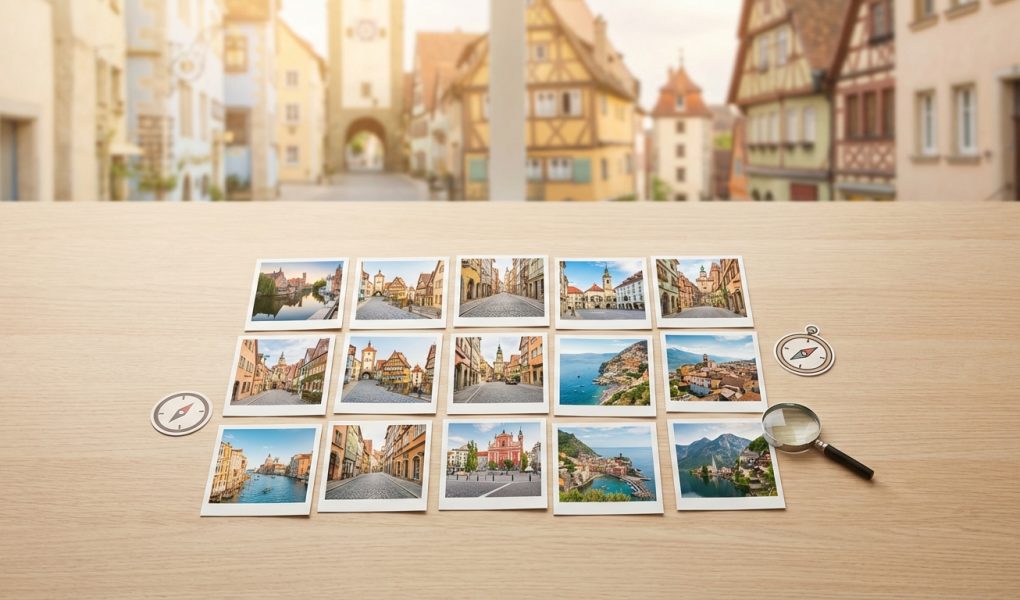
Paris and Rome are magnificent, but they’re also exhausting. The crowds, the prices, the selfie sticks blocking every monument. You’ve seen the photos a thousand times. What if your next European trip took you somewhere equally beautiful but refreshingly uncrowded?
Europe’s underrated cities offer authentic cultural experiences at half the cost of major tourist hubs. From medieval towns to coastal gems, these destinations provide better food, friendlier locals, and memorable adventures without the overwhelming crowds. Budget travelers can save 40-60% on accommodations while enjoying richer, more personal connections with local culture and history.
Why smart travelers are skipping the usual suspects
The most visited cities in Europe see over 20 million tourists annually. That means long lines, inflated prices, and locals who’ve grown tired of answering the same questions.
Underrated European cities give you something different. Real conversations with shop owners. Restaurants where you’re the only foreigner. Museums you can actually enjoy without fighting through tour groups.
The cost difference alone makes it worth considering. A decent hotel in central Paris runs $200 per night. That same budget gets you a boutique stay with breakfast included in places like Ljubljana or Porto.
Eastern Europe’s hidden cultural capitals
Tallinn, Estonia
Medieval walls surround a perfectly preserved Old Town that feels like stepping into a fairytale. Unlike Prague, which saw similar architecture get overrun decades ago, Tallinn maintains its charm without the chaos.
The digital infrastructure here rivals any Western European capital. Free public WiFi blankets the city. Contactless payments work everywhere. Yet a filling lunch costs under $10.
Walking the cobblestone streets, you’ll find artisan chocolate shops, cozy cafes, and viewpoints overlooking the Baltic Sea. Summer brings white nights. Winter transforms the city into a Christmas market wonderland.
Wrocław, Poland
Over 100 bridges connect islands and neighborhoods across the Oder River. Colorful townhouses line the market square. Small bronze gnome statues hide throughout the city, turning sightseeing into a treasure hunt.
The food scene punches well above its weight class. Traditional milk bars serve hearty Polish meals for $5. Modern bistros experiment with local ingredients at prices that would seem impossible in Western Europe.
University students keep the nightlife vibrant year-round. The energy feels genuine, not manufactured for tourists. Learning basic Polish phrases opens doors to even warmer interactions with locals who appreciate the effort.
Cluj-Napoca, Romania
Romania’s second city combines Austro-Hungarian architecture with a thriving tech scene. Coffee culture here rivals Melbourne or Seattle, but at Romanian prices.
The surrounding Transylvania region offers day trips to medieval castles, fortified churches, and mountain villages. You can base yourself in Cluj and take affordable buses to explore.
Street art covers entire building facades. Independent bookshops stay open late. The botanical garden provides peaceful escape without entrance fees.
Coastal alternatives that outshine the Mediterranean hotspots
Gdańsk, Poland
This Baltic port city rebuilt itself after World War II destruction into something special. The waterfront promenade stretches for miles. Amber shops sell jewelry made from “Baltic gold” washed up on nearby beaches.
The European Solidarity Centre tells the story of the Solidarity movement that helped end communism. It’s one of Europe’s most important modern history museums, yet rarely crowded.
Summer temperatures stay comfortable. You can actually enjoy walking around without melting. Nearby Sopot offers sandy beaches and a historic wooden pier.
Kotor, Montenegro
Fjord-like bay. Venetian fortifications. Mountains rising straight from the water. Kotor delivers dramatic scenery that rivals anywhere in Europe.
The old town fits inside medieval walls you can climb for panoramic views. Cat lovers will appreciate the city’s feline population and quirky cat museum.
Cruise ships do visit, but only during daytime. Stay overnight and you’ll have the atmospheric streets to yourself after sunset. Nearby beaches and hiking trails provide endless outdoor options.
Tarragona, Spain
Roman ruins meet Mediterranean beaches an hour south of Barcelona. The amphitheater overlooks the sea. Aqueducts march across the landscape. UNESCO recognition hasn’t translated to overwhelming tourism yet.
Local seafood restaurants serve the day’s catch at neighborhood prices. The human tower tradition (castells) happens regularly in the main square, a spectacle you won’t see in most Spanish cities.
Train connections make Barcelona accessible for a day trip, but you’ll appreciate returning to Tarragona’s calmer pace.
How to choose your underrated European destination
| Priority | Best Cities | Why They Work |
|---|---|---|
| Budget savings | Plovdiv, Timișoara, Skopje | Accommodation under $50/night, meals under $8 |
| Easy access | Porto, Ljubljana, Ghent | Major airports, good train connections |
| English friendly | Tallinn, Malta, Gothenburg | High English proficiency, easy navigation |
| Food scene | San Sebastian, Bologna, Lyon | Culinary reputation without Paris prices |
| Outdoor activities | Innsbruck, Annecy, Bergen | Mountains, lakes, hiking at your doorstep |
Consider what matters most for your trip. Building a realistic travel budget helps you match destinations to your financial reality.
Western European gems flying under the radar
Ghent, Belgium
Bruges gets the tourists. Ghent gets the soul. Medieval architecture without the crowds. Canal-side dining without tourist trap menus.
The city’s compact size makes walking easy. Rent a bike and you can cover everything in a day. But you’ll want to stay longer once you settle into the rhythm.
Belgian beer culture thrives here. Small breweries offer tastings. Chocolate shops craft small-batch creations. The Friday market has operated in the same square since the Middle Ages.
Maastricht, Netherlands
The Netherlands’ oldest city sits wedged between Belgium and Germany. Dutch efficiency meets European charm. Bookstore Dominicanen occupies a 13th-century church, creating one of the world’s most beautiful reading spaces.
The hilly terrain (rare for the Netherlands) makes for pleasant walking. Limestone caves hide beneath the city. The food scene reflects influences from three countries.
Spring brings cherry blossoms. Fall colors the parks. Winter Christmas markets feel intimate compared to German mega-markets across the border.
Annecy, France
Alpine lakes. Pastel buildings. Canals earning it the nickname “Venice of the Alps.” Annecy delivers French charm without Parisian attitude.
The lake offers swimming, paddleboarding, and boat tours against mountain backdrops. Cycling paths circle the water. Nearby hiking ranges from easy lakeside strolls to serious mountain trails.
Local markets sell Savoyard cheeses and charcuterie. Restaurants serve regional specialties like tartiflette and raclette. Prices stay reasonable because locals, not tourists, drive the economy.
Planning your underrated European adventure
- Pick two or three cities maximum for a week-long trip
- Book accommodations in residential neighborhoods, not tourist centers
- Arrive midweek to avoid weekend crowds
- Research one or two must-see attractions, leave the rest flexible
- Allocate budget for spontaneous experiences locals recommend
- Learn five phrases in the local language minimum
- Download offline maps before arrival
This approach worked for me in Ljubljana. I’d planned to visit the castle and dragon bridge. A hostel owner mentioned a Sunday antique market. That unplanned morning became the trip highlight.
“The best travel experiences happen when you’re confident enough in your planning to abandon your plans. Choose destinations where you feel comfortable getting lost.” – seasoned budget traveler with 40+ countries visited
Southern Europe beyond the usual beaches
Thessaloniki, Greece
Greece’s second city offers everything Athens has except the overwhelming tourism. Byzantine churches. Ottoman architecture. Waterfront promenades. Archaeological museums.
The food scene might actually surpass Athens. Bougatsa for breakfast. Mezze for lunch. Seafood for dinner. Everything costs less and tastes better because restaurants cater to locals.
Day trips reach Mount Olympus, Meteora monasteries, and Halkidiki beaches. The city works perfectly as a base for exploring northern Greece.
Lecce, Italy
Baroque architecture covers this southern Italian city in ornate limestone. It’s called the “Florence of the South” but without Florence’s tourist infrastructure (and prices).
Puglia’s food culture shines here. Orecchiette pasta made fresh daily. Burrata cheese from nearby farms. Pasticciotto pastries from century-old bakeries.
The Adriatic coast sits 20 minutes away. Trains connect to other Puglian towns. Summer gets hot, but spring and fall offer perfect weather for wandering.
Girona, Spain
Game of Thrones filmed here, but somehow mass tourism hasn’t followed. The Jewish Quarter’s narrow lanes wind upward. The cathedral’s steps provide city views. Colorful houses line the Onyar River.
Michelin-starred restaurants operate alongside traditional tapas bars. The culinary scene rivals Barcelona at half the cost. Finding where locals actually eat becomes easier in cities this size.
Costa Brava beaches lie 30 minutes away. The Pyrenees offer hiking an hour north. Girona’s location makes it a perfect base for exploring Catalonia.
What makes a city truly underrated
- Fewer than 5 million annual visitors
- Locals outnumber tourists in restaurants and cafes
- Accommodation costs 40%+ less than major capitals
- Public transportation designed for residents, not sightseers
- Cultural attractions without hour-long entry queues
- English signage present but not dominant
- Social media hasn’t turned every corner into a photo op
These factors combine to create authentic experiences. You’re visiting a living city, not a museum.
Budget breakdown for underrated European cities
Expect daily costs to run:
- Accommodation: $40-80 for comfortable private rooms
- Meals: $25-40 for three meals including one nice dinner
- Transportation: $5-10 for local buses, trams, bikes
- Attractions: $10-20 for museums and paid sites
- Miscellaneous: $15-25 for coffee, snacks, souvenirs
Total: $95-175 per day depending on your comfort level and splurges.
Compare that to Paris or Rome where similar experiences cost $200-300 daily. Over a week-long trip, you save enough to fund another destination entirely.
Nordic alternatives worth the journey
Gothenburg, Sweden
Sweden’s second city offers Scandinavian design and quality of life without Stockholm’s tourist crowds. The archipelago provides island hopping accessible by public ferry.
Seafood restaurants serve the day’s catch. Coffee culture thrives in independent cafes. Street art covers the Haga neighborhood. Museums range from modern art to maritime history.
Summer brings long daylight hours perfect for outdoor activities. Winter Christmas markets feel authentically Swedish, not staged for visitors. Nordic adventures reward travelers willing to venture beyond the obvious choices.
Turku, Finland
Finland’s oldest city sits on the southwest coast. The medieval castle tells centuries of history. The riverside promenade fills with locals during summer.
The archipelago trail offers cycling through island chains connected by bridges and free ferries. You can camp on most islands thanks to Finland’s right to roam laws.
Winter brings snow and ice without the extreme cold of northern Finland. The Christmas market operates in a genuinely Finnish atmosphere. Saunas and swimming spots dot the coastline year-round.
Common mistakes when visiting underrated cities
People often:
- Rush through in one day when three days would reveal the real character
- Stay in the tourist quarter instead of residential neighborhoods
- Eat near major attractions instead of asking locals for recommendations
- Visit only the top three Google results instead of wandering
- Compare everything to major capitals instead of appreciating unique qualities
- Skip learning any local language basics
- Book the cheapest accommodation without reading recent reviews
Avoid these patterns and your experience improves dramatically.
Making the most of fewer tourists
Smaller crowds mean different opportunities:
- Strike up conversations with museum staff who have time to chat
- Ask restaurant servers for off-menu recommendations
- Visit popular sites at any time without strategic planning
- Take photos without waiting for crowds to clear
- Book accommodations last-minute without premium pricing
- Change plans spontaneously without sold-out frustrations
- Experience local festivals as a participant, not an observer
This flexibility transforms how you travel. Stress decreases. Authentic moments increase.
Combining underrated cities into one trip
Smart routing creates efficient multi-city adventures:
Baltic Loop: Tallinn > Riga > Vilnius (three capitals, minimal tourism)
Adriatic Coast: Kotor > Mostar > Dubrovnik (dramatic scenery, varied history)
Central European Circuit: Ljubljana > Zagreb > Budapest (compact distances, distinct cultures)
Iberian Discovery: Porto > Salamanca > Girona (wine, history, beaches)
Alpine Arc: Annecy > Innsbruck > Ljubljana (mountains, lakes, outdoor activities)
Trains and budget airlines connect these routes affordably. Each city offers 2-3 days of solid exploration without feeling rushed.
Your next European adventure starts here
Underrated European cities reward curious travelers willing to step off the beaten path. You’ll spend less money. Meet more locals. Create stories your friends haven’t heard before.
The infrastructure exists to make these trips easy. Trains run on time. Hotels meet Western standards. English works when needed. You’re not roughing it. You’re just choosing smarter.
Pick one city from this guide. Book three nights. See what happens when you travel somewhere before Instagram ruins it. The photos you’ll take won’t look like everyone else’s, and that’s exactly the point.