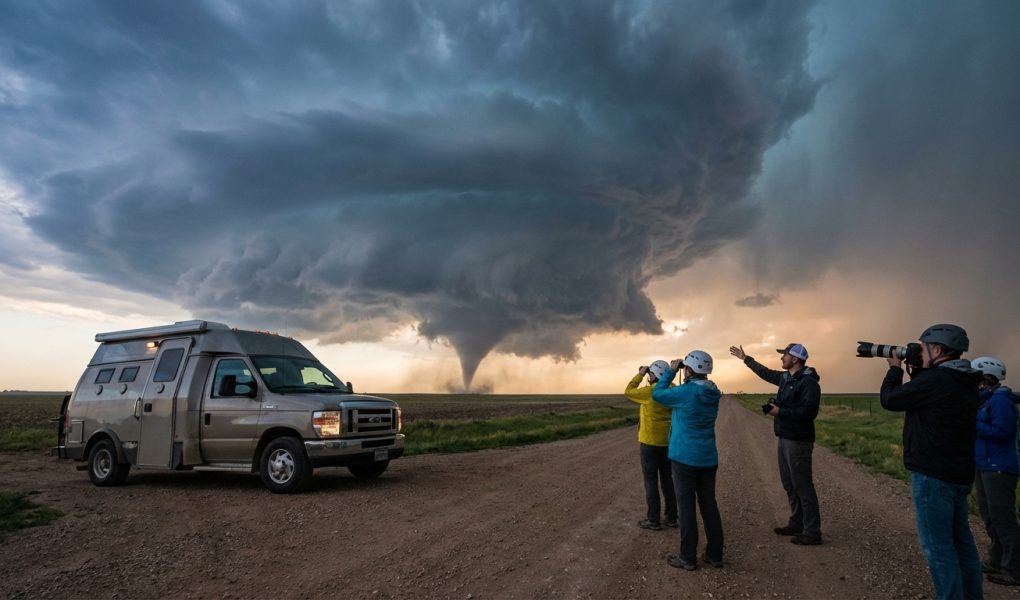
You’ve seen the videos. Towering supercells lit by lightning. Funnels dropping from green-black skies. Tour vans parked on dirt roads while cameras click and people cheer.
It looks incredible. It also looks terrifying.
Storm chasing tours are generally safe when led by experienced meteorologists who prioritize distance, escape routes, and real-time radar analysis. Fatalities among tour guests are exceptionally rare. Most risks stem from road accidents, hail, and flash flooding rather than tornadoes themselves. Professional operators maintain strict safety protocols, avoid core storm structures, and position groups several miles from dangerous phenomena. Understanding these measures helps first-timers make informed decisions.
Understanding the Real Risks
Storm chasing tourism carries inherent dangers, but context matters.
Between 2000 and 2023, no documented fatalities occurred among paying tour guests on professional storm chasing expeditions. Compare that to other adventure activities. Scuba diving sees roughly 100 deaths annually in the United States alone. Mountaineering claims dozens of lives each year worldwide.
The difference lies in professional protocol.
Reputable tour operators employ meteorologists with years of forecasting experience. They analyze atmospheric conditions hours before departure. They monitor live radar feeds throughout the day. They maintain constant communication with other chasers in the field.
Most importantly, they stay far from the dangerous parts of storms.
“We’re not trying to get hit by a tornado. We’re trying to photograph one from a safe distance. That usually means two to five miles away with multiple paved escape routes.” (Roger Hill, veteran storm chaser and tour operator)
Here’s what actually threatens safety on storm chasing tours:
- Road accidents: Long drives, rural highways, and distracted drivers cause more injuries than storms themselves
- Hail: Baseball-sized ice can shatter windshields and dent vehicles when positioning goes wrong
- Flash flooding: Low-lying roads become impassable within minutes during heavy rainfall
- Lightning strikes: Bolts can travel miles from storm cores, striking seemingly safe areas
- Fatigue: Multi-day tours involve early mornings, late nights, and thousands of miles behind the wheel
Notice what’s missing from that list? Direct tornado contact.
Professional chasers avoid the violent cores where debris flies and winds exceed 200 mph. They position groups where visibility remains clear and roads stay accessible.
How Professional Operators Keep You Safe
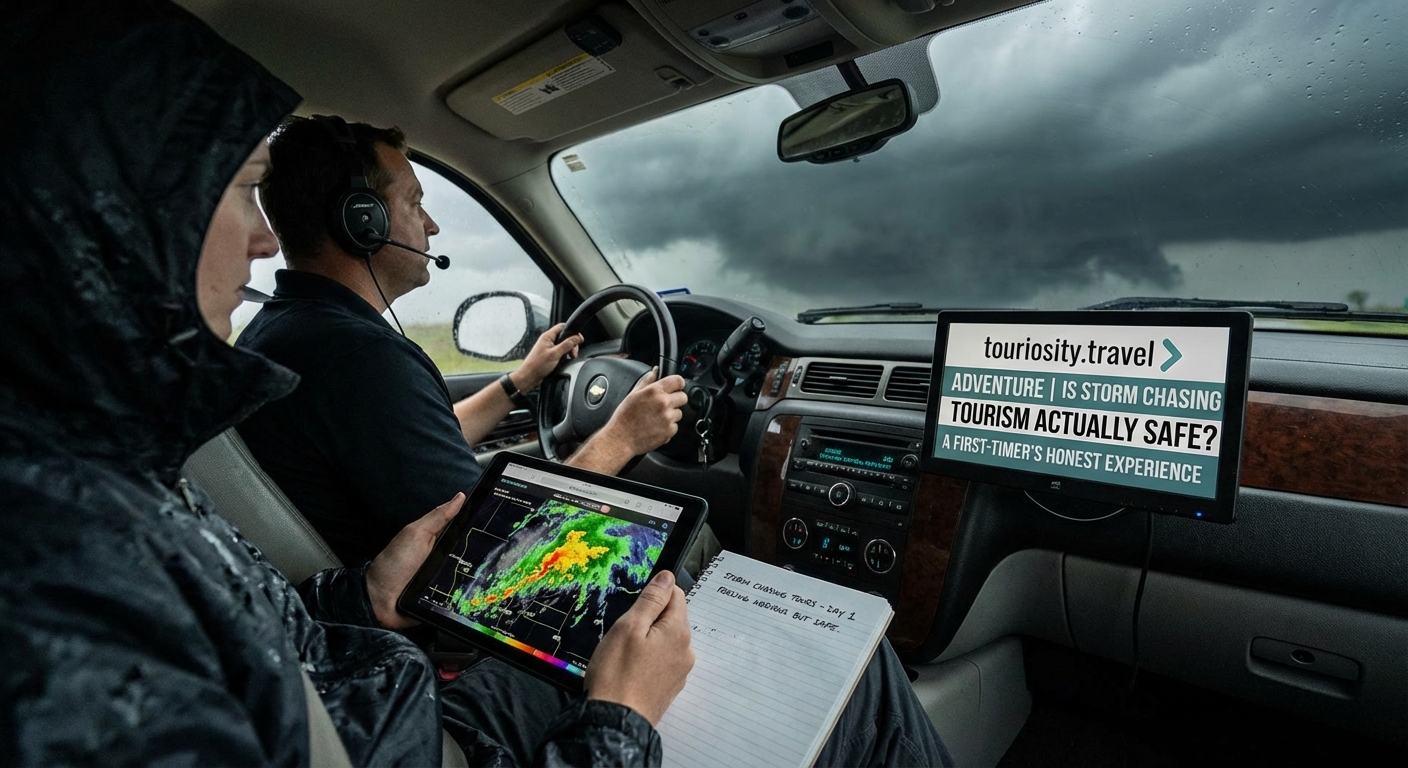
Safety protocols separate legitimate tour companies from reckless operations.
1. Meteorological Expertise
Every reputable tour employs at least one degreed meteorologist. Some companies require multiple forecasters per van.
These professionals don’t just read weather apps. They interpret atmospheric soundings, wind shear profiles, and mesoscale convective systems. They identify storm modes hours before development. They recognize when conditions favor photogenic structures versus life-threatening scenarios.
2. Vehicle Standards
Tour vans undergo rigorous maintenance schedules. Operators replace tires frequently. They service engines between seasons. They install commercial-grade communication equipment.
Many companies use newer model vehicles with advanced safety features. Electronic stability control, multiple airbags, and reinforced frames provide protection during unexpected situations.
3. Positioning Strategy
Professional chasers follow a simple rule: always maintain an escape route.
They avoid dead-end roads. They stay on paved highways whenever possible. They position south or southeast of storms to prevent getting trapped by forward motion.
When a tornado forms, guides assess its movement, speed, and intensity before deciding whether to hold position or relocate. If conditions deteriorate, they move immediately.
4. Real-Time Monitoring
Modern storm chasing relies on technology. Tour vans carry:
- Mobile radar displays showing storm structure and rotation
- GPS tracking to monitor exact positions relative to severe weather
- Satellite communication for areas without cell coverage
- Weather radio receivers for National Weather Service warnings
- Multiple smartphones running specialized forecasting apps
Guides check these systems constantly. They adjust routes based on new data. They abandon targets when risk exceeds reward.
What a Typical Storm Chasing Day Actually Looks Like
Understanding the routine helps demystify the experience.
Morning (7:00 AM – 11:00 AM)
Tour groups gather for breakfast while meteorologists analyze overnight model runs. They identify target areas based on atmospheric instability, wind shear, and moisture content.
Briefings explain the day’s forecast in plain language. Guides discuss potential storm types, timing windows, and backup targets.
Midday (11:00 AM – 3:00 PM)
Vans depart toward target zones, often driving 200 to 400 miles. Lunch happens at gas stations or small-town diners.
Guides monitor radar during transit. They adjust routes as conditions evolve. Sometimes initial targets bust and groups redirect toward emerging opportunities.
Afternoon (3:00 PM – 7:00 PM)
Storms typically initiate during peak heating hours. Groups position near developing cells, maintaining safe distances.
When photogenic structures appear, vans park with engines running and doors unlocked. Guests step outside to photograph and observe. Guides watch radar and sky simultaneously.
If rotation intensifies or tornadoes form, everyone returns to vehicles immediately. Repositioning happens frequently as storms move and evolve.
Evening (7:00 PM – 11:00 PM)
After storms weaken or sunset approaches, groups drive to pre-booked hotels. Dinner often involves sharing photos and discussing the day’s events.
Some nights end early. Others stretch late when storms persist after dark or long drives separate groups from lodging.
Comparing Storm Chasing to Other Adventure Activities
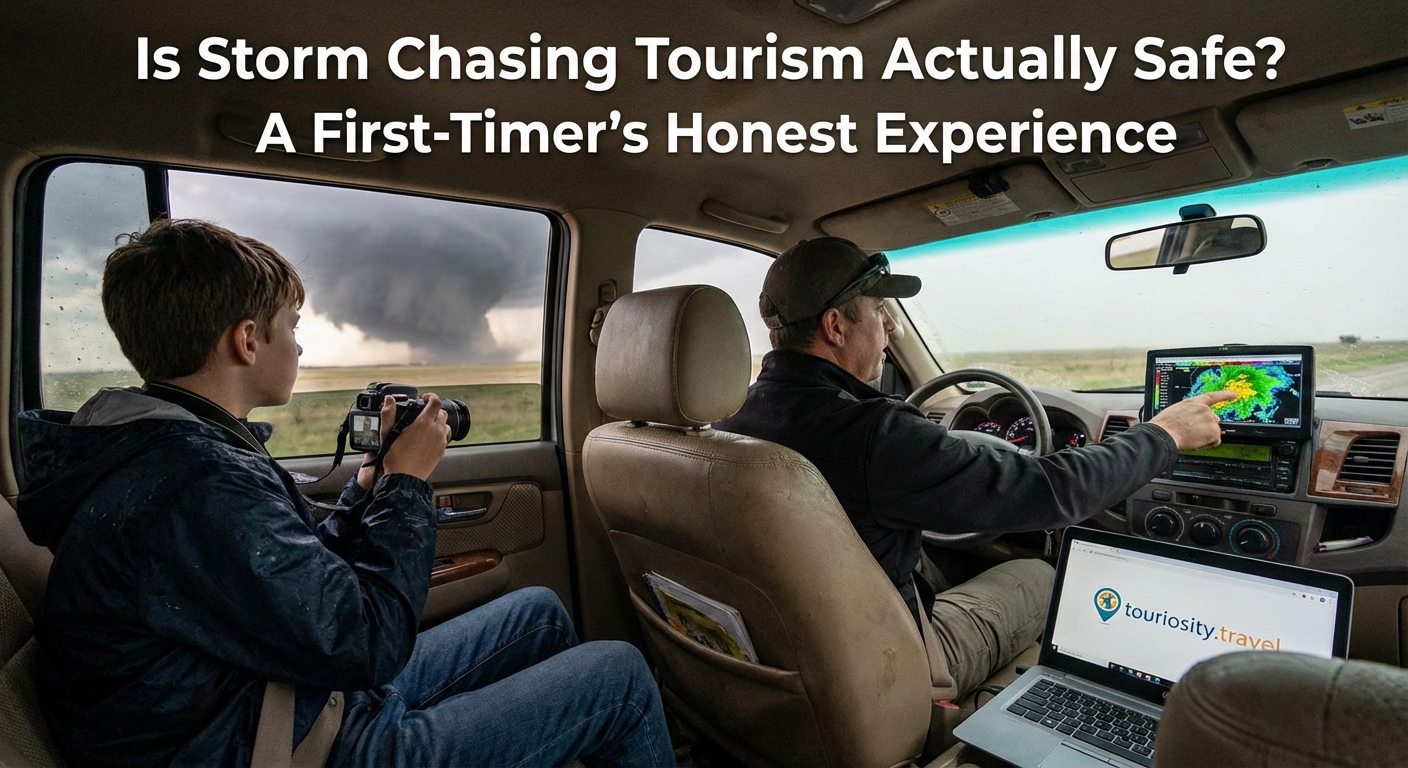
Context helps assess relative risk.
| Activity | Annual US Fatalities | Primary Risk Factors | Professional Mitigation |
|---|---|---|---|
| Storm Chasing Tours | 0 (documented) | Road accidents, hail, lightning | Meteorologist-led positioning, escape route planning |
| Whitewater Rafting | 6-10 | Drowning, hypothermia | Guide training, life jackets, river classification |
| Skydiving | 10-20 | Equipment failure, human error | Tandem jumps, backup chutes, altitude requirements |
| Scuba Diving | 80-100 | Equipment issues, decompression sickness | Certification requirements, buddy systems, depth limits |
Storm chasing ranks among the safest guided adventure experiences when conducted professionally. The key phrase: when conducted professionally.
Red Flags That Signal Unsafe Operators
Not all tour companies prioritize safety equally.
Watch for these warning signs:
- No meteorological credentials: Guides should have formal training, not just enthusiasm
- Guaranteed tornado sightings: No legitimate operator promises specific phenomena
- Dirt road emphasis: Unpaved routes increase accident risk and limit escape options
- Nighttime chasing focus: Visibility drops dramatically after sunset, multiplying dangers
- Minimal insurance coverage: Reputable companies carry comprehensive liability policies
- Aggressive positioning language: Marketing that emphasizes “extreme” proximity over safety
Research operators thoroughly. Read reviews from multiple sources. Ask about guide qualifications and safety protocols. Request detailed itineraries and cancellation policies.
Companies with strong safety records answer these questions transparently.
Medical and Physical Considerations
Storm chasing doesn’t require peak fitness, but certain conditions warrant consideration.
Sitting Tolerance
Tours involve 8 to 12 hours daily in vehicles. Back problems, circulation issues, or conditions requiring frequent movement may cause discomfort.
Dietary Restrictions
Rural areas offer limited food options. Gas stations and fast-food chains dominate. Guests with specific dietary needs should pack supplemental snacks.
Medication Access
Pharmacies become sparse in remote regions. Bring adequate supplies of prescription medications plus a few extra days as buffer.
Mobility Limitations
Most storm viewing happens roadside, requiring minimal walking. However, uneven terrain, mud, and sudden repositioning can challenge those with mobility restrictions.
Anxiety Triggers
Severe weather produces intense sensory experiences. Loud thunder, close lightning, and rapidly changing conditions may overwhelm individuals with anxiety disorders or PTSD.
Communicate health concerns with tour operators before booking. Reputable companies accommodate reasonable needs and provide honest assessments of compatibility.
Insurance and Liability Realities
Standard travel insurance often excludes storm chasing.
Read policy language carefully. Many providers classify storm chasing as an extreme activity requiring specialized coverage. Some companies offer adventure travel riders that include severe weather pursuits.
Tour operators carry liability insurance, but coverage varies. Ask specific questions:
- What medical expenses does operator insurance cover?
- Does coverage extend to personal property damage?
- What happens if severe weather damages the tour vehicle?
- Are evacuation costs covered if storms strand groups?
Document these answers in writing. Understanding insurance needs becomes particularly important for adventure-focused trips.
The Psychological Safety Factor
Physical safety represents only part of the equation.
Storm chasing tours create intense emotional experiences. Witnessing nature’s power triggers varied responses. Some people find it exhilarating. Others feel overwhelming fear.
Professional guides recognize these reactions. They provide reassurance without minimizing legitimate concerns. They explain what’s happening meteorologically. They maintain calm demeanors that help guests process the experience.
Still, some individuals discover storm chasing doesn’t match their comfort level. That’s completely valid.
Tours typically span 5 to 10 days. Backing out mid-trip creates logistical challenges and financial losses. Consider your psychological response to:
- Rapidly changing plans and uncertain schedules
- Long periods of anticipation followed by intense activity
- Being far from urban areas with limited communication
- Witnessing destructive weather and potential property damage
- Spending extended time with strangers in confined spaces
If these scenarios trigger significant anxiety, storm chasing may not suit your travel style. Other adventure options like canyoneering in slot canyons or multi-day hiking trails might better match your preferences.
What Happens When Things Go Wrong
Even professional operations encounter problems.
Equipment Failures
Flat tires, dead batteries, and mechanical issues happen. Reputable companies carry spare equipment and maintain roadside assistance coverage. Delays occur, but experienced guides adapt.
Missed Forecasts
Atmospheric science remains imperfect. Sometimes predicted storms never develop. Other days, unexpected cells form in different locations.
Professional operators don’t guarantee specific weather events. They guarantee professional forecasting and positioning based on available data. Bust days happen to everyone.
Severe Weather Encounters
Occasionally, storms behave unpredictably. Tornadoes change direction. Hail cores expand rapidly. Flash floods close roads.
This is when guide experience matters most. Trained meteorologists recognize warning signs early. They execute contingency plans. They prioritize guest safety over photo opportunities.
Medical Emergencies
Guides carry first aid kits and maintain CPR certification. They know locations of rural hospitals. They coordinate with emergency services when necessary.
Remote locations complicate medical response, but professional operators prepare for these scenarios.
Making Your Decision
Is storm chasing safe? The answer depends on context.
Professional tours led by qualified meteorologists maintain excellent safety records. They employ proven protocols. They prioritize guest welfare. They operate with appropriate insurance and emergency procedures.
Amateur chasing, solo pursuits, or trips with unqualified guides carry substantially higher risks.
Your personal safety also depends on choosing operators carefully, communicating health concerns honestly, and respecting guide instructions during rapidly evolving situations.
Storm chasing won’t ever be risk-free. No adventure activity is. But when conducted properly, it ranks among the safer extreme experiences available.
The real question isn’t whether storm chasing is safe in absolute terms. It’s whether the specific operator you’re considering follows professional standards and whether you’re comfortable with the inherent uncertainties of severe weather pursuits.
Research thoroughly. Ask hard questions. Trust your instincts.
The Truth About Storm Chasing Tourism
Thousands of people complete storm chasing tours annually without injury.
They witness incredible atmospheric phenomena. They learn about meteorology. They challenge their comfort zones in controlled environments.
The experience requires accepting uncertainty. Weather doesn’t follow scripts. Plans change constantly. Comfort takes a backseat to opportunity.
But when you’re standing beneath a rotating supercell, watching nature’s raw power from a safe distance, with an experienced meteorologist explaining the science unfolding above you, the calculated risks feel worthwhile.
Just make sure you’re calculating them with accurate information and a qualified guide.