Category: Adventure

  • The Ultimate Guide to Multi-Day Hiking Trails That Changed My Perspective on Travel

    There’s something about walking for days on end that strips away everything except what matters. No scrolling. No meetings. Just boots on dirt, a pack on your back, and landscapes that change with every turn. Multi-day hikes do more than test your endurance. They reset your internal compass and show you what travel can be when you slow down enough to feel it.

    Key Takeaway

    The best multi-day hiking trails combine stunning scenery with cultural immersion and physical challenge. From Peru’s Inca Trail to Iceland’s Laugavegur Trek, these routes offer transformative experiences for adventure travelers. Proper planning, fitness preparation, and understanding trail difficulty levels ensure safe, rewarding journeys. This guide covers top trails worldwide, essential gear, training tips, and booking strategies to help you choose your next trekking adventure.

    Why Multi-Day Hikes Change How You See the World

    Single-day hikes give you a taste. Multi-day treks give you the full meal.

    When you carry everything you need on your back for three, five, or ten days, you learn what’s essential. You watch sunrises from mountain passes. You share meals with strangers who become trail family. You discover muscles you forgot existed.

    The rhythm of walking for hours creates space for thoughts you’ve been too busy to think. Problems that seemed massive at home shrink to manageable size. Priorities rearrange themselves without you forcing them.

    These trails take you through landscapes too remote for day hikers. You earn views that cameras can’t capture and experiences that social media can’t replicate.

    Top Multi-Day Trails Around the World

    Inca Trail to Machu Picchu, Peru

    Four days of ancient stone paths through cloud forest and alpine tundra. The classic route covers 26 miles and reaches 13,828 feet at Dead Woman’s Pass.

    Permits sell out months ahead. Book six months early for peak season (May through September). The trail closes every February for maintenance.

    You’ll walk through Incan ruins most tourists never see. Wiñay Wayna at sunrise, with terraces cascading down the mountainside, beats any museum exhibit.

    Tour du Mont Blanc, France, Italy, and Switzerland

    This 110-mile loop circles Western Europe’s highest peak. Most hikers complete it in 7 to 11 days, crossing three countries and numerous mountain passes.

    The trail offers refuge-to-refuge hiking. You sleep in mountain huts with hot meals and real beds. No tent required, though you’ll need to book refuges months ahead.

    June through September provides the best weather. July and August bring crowds but guaranteed snow-free passes.

    Laugavegur Trek, Iceland

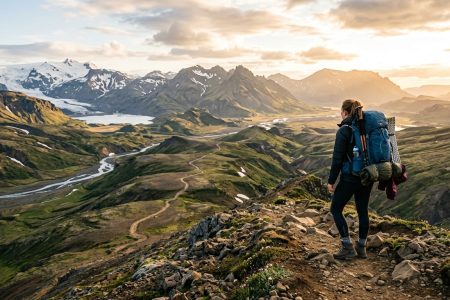
    Iceland’s most famous trail runs 34 miles from Landmannalaugar to Þórsmörk. Four days through volcanic landscapes that look like another planet.

    Geothermal hot springs, black sand deserts, and glacial valleys create scenery that changes every hour. The trail passes through areas that formed during eruptions as recent as 2010.

    Huts sleep 50-75 people in bunk rooms. Book the moment reservations open in December. The season runs July through early September only.

    Milford Track, New Zealand

    New Zealand calls it “the finest walk in the world.” The 33-mile trail through Fiordland takes four days, passing waterfalls, rainforest, and mountain passes.

    The Department of Conservation limits numbers to 40 independent hikers per day. Permits for the November to April season open months in advance and disappear within hours.

    Expect rain. Fiordland gets over 200 days of precipitation yearly. The waterfalls look better because of it.

    West Highland Way, Scotland

    Scotland’s most popular long-distance route covers 96 miles from Glasgow to Fort William. Most hikers take 6 to 8 days, walking through glens, past lochs, and across moorland.

    The trail requires less technical skill than alpine routes. You’ll find towns and villages every 10-15 miles for resupply and accommodation.

    April through October offers the longest daylight. Midges (tiny biting insects) peak in July and August. Bring bug spray or suffer.

    “The best multi-day hikes aren’t about conquering mountains. They’re about moving through landscapes slowly enough to understand them. You don’t visit these places. You inhabit them temporarily, and they change you in return.”

    Matching Trail Difficulty to Your Experience Level

    Not all multi-day trails demand the same fitness or skills. Understanding difficulty ratings prevents miserable experiences and potential danger.

    Trail Difficulty Daily Distance Elevation Gain Technical Skills Fitness Level
    Beginner 6-10 miles Under 1,500 ft Basic navigation Moderate cardio
    Intermediate 10-15 miles 1,500-3,000 ft Map reading, river crossings Strong endurance
    Advanced 15+ miles 3,000+ ft Route finding, scrambling High fitness, altitude tolerance

    Consider these factors when choosing your first multi-day trail:

    • Elevation: High-altitude trails above 10,000 feet require acclimatization
    • Remoteness: Trails with daily town access offer easier bailout options
    • Season: Shoulder season attempts need more gear and experience
    • Support infrastructure: Hut-to-hut routes reduce pack weight significantly

    The West Highland Way or Portugal’s Fisherman’s Trail make excellent first multi-day hikes. Both offer moderate daily distances, regular accommodation options, and escape routes if needed.

    The Inca Trail or Tour du Mont Blanc suit intermediate hikers ready for altitude and longer days. Advanced trekkers can tackle Nepal’s Annapurna Circuit or Patagonia’s Huemul Circuit.

    Essential Gear for Multi-Day Hiking

    Your pack weight determines your daily mileage and enjoyment. Every ounce matters when you’re carrying it for eight hours.

    The Big Three

    1. Backpack: 50-65 liters for week-long trips. Ensure proper fitting at a specialty store. Hip belts should sit on your hip bones, not your waist.

    2. Shelter: Tents for camping routes, or skip it entirely for hut-based treks. A two-person tent weighing under 4 pounds keeps you dry without destroying your back.

    3. Sleep system: Sleeping bag rated for the coldest expected temperature plus a sleeping pad. Closed-cell foam pads weigh less. Inflatable pads sleep warmer.

    Clothing Strategy

    Layers beat bulk. Three thin layers adjust better than one thick jacket.

    • Base layer (merino wool or synthetic)
    • Insulating layer (fleece or down)
    • Waterproof shell (jacket and pants)
    • Extra socks (at least two pairs)
    • Sun protection (hat, sunglasses, sunscreen)

    Cotton kills. It stays wet, steals body heat, and causes blisters. Leave the jeans at home.

    Navigation and Safety

    Paper maps and compass as primary navigation. GPS devices and phone apps as backup. Batteries die. Maps don’t.

    First aid kit, water purification (filter or tablets), headlamp with extra batteries, and emergency shelter complete your safety essentials.

    Training Your Body for Multi-Day Trails

    You can’t fake fitness on a multi-day hike. Your body will expose every shortcut you took in training.

    Start preparing at least three months before your trip. Six months gives better results.

    Build Your Base

    Week 1-4: Walk 3-4 times weekly. Start with 3-5 miles on flat terrain. Focus on consistent movement rather than speed.

    Week 5-8: Add hills. Increase one weekly hike to 6-8 miles with 1,000+ feet elevation gain. Wear your hiking boots to break them in.

    Week 9-12: Introduce pack weight. Start with 10 pounds and add 5 pounds every two weeks until you reach your expected trail weight.

    Strengthen Supporting Muscles

    Hiking uses different muscles than gym workouts or running. Lunges, squats, and step-ups build leg strength for descents. Core exercises prevent back pain under pack weight.

    Two strength sessions weekly complement your hiking training. Keep them simple. Bodyweight exercises work fine.

    Test Your Systems

    Take at least one overnight practice trip. Sleep in your tent. Cook on your stove. Walk two consecutive days with full pack weight.

    This reveals gear problems when you can still fix them. Discovering your sleeping pad has a slow leak on night three of the Inca Trail creates unnecessary suffering.

    Booking and Permits for Popular Trails

    The best multi-day hiking trails require advance planning. Some need permits booked a year ahead.

    Permit Timelines

    • Inca Trail: Book 6-8 months ahead through licensed operators only
    • Milford Track: Bookings open in July for the following season
    • Tour du Mont Blanc: Hut reservations open in January
    • Laugavegur Trek: Bookings open in December for summer season

    Set calendar reminders for booking dates. Popular dates disappear within hours of opening.

    Independent vs. Guided Treks

    Independent hiking costs less and offers more freedom. You choose your pace, stops, and daily mileage.

    Guided treks handle logistics, carry group gear, and often provide meals. They cost 2-3 times more but reduce planning stress.

    Consider guided options for:

    • First multi-day hike
    • Remote trails with complex logistics
    • Regions where you don’t speak the language
    • High-altitude treks requiring safety support

    Budget Planning

    Multi-day hikes cost more than most travelers expect. Factor in these expenses:

    • Permits and booking fees
    • Accommodation (huts, refuges, or camping fees)
    • Food (trail meals plus town resupply)
    • Transportation to/from trailheads
    • Gear purchases or rentals
    • Emergency fund (20% of total budget)

    Budget trails like the West Highland Way run $500-800 for a week including food and hostel accommodation. Premium routes like the Inca Trail with guides cost $2,000-3,000 per person.

    Navigating Cultural Immersion on International Trails

    The best trails weave through communities, not just wilderness. You’ll encounter different customs, languages, and expectations.

    Trail Etiquette Varies by Region

    Japan’s pilgrimage routes expect quiet contemplation. European hut culture involves communal meals and conversation. Himalayan trails pass through villages where locals live year-round.

    Learn basic greetings in local languages. “Hello,” “thank you,” and “excuse me” open doors everywhere.

    Leave No Trace Principles Apply Globally

    Pack out all trash, including toilet paper. Use designated campsites. Stay on marked trails to prevent erosion.

    Human waste disposal varies by trail. Some require packing it out. Others have designated areas. Research requirements before you go.

    Supporting Local Economies

    Buy food and supplies in trail towns rather than bringing everything from home. Hire local guides. Stay in locally-owned guesthouses when possible.

    Your spending directly supports communities that maintain trails and preserve access.

    Some regions blend outdoor adventure with cultural heritage beautifully. If you’re drawn to Nordic landscapes and remote communities, consider how multi-day hiking connects you to places beyond typical tourist routes.

    Food and Water Strategy for Extended Treks

    You’ll burn 3,000-5,000 calories daily on multi-day hikes. Undereating leads to bonking, bad decisions, and misery.

    Meal Planning Basics

    Breakfast: Instant oatmeal, granola, or freeze-dried meals. Coffee or tea for morale.

    Lunch: No-cook foods you can eat while walking. Tortillas with nut butter, cheese, and salami. Trail mix. Energy bars.

    Dinner: Freeze-dried meals, instant rice or pasta, or hot meals at huts. Add olive oil for extra calories.

    Snacks: Eat something every hour. Nuts, dried fruit, chocolate, and energy bars maintain blood sugar.

    Water Management

    Carry 1-2 liters between water sources. Research source locations before each day’s hike.

    Purify all water unless you’re drinking from taps in huts. Filters work faster than tablets but weigh more and can freeze. Tablets weigh nothing but taste terrible and take 30 minutes to work.

    Dehydration kills performance before you feel thirsty. Drink regularly even when you don’t want to.

    Dealing with Common Trail Challenges

    Multi-day hikes throw problems at you. Preparation helps, but flexibility matters more.

    Blisters

    Prevention beats treatment. Well-fitted boots, moisture-wicking socks, and immediate attention to hot spots prevent most blisters.

    Carry blister treatment supplies. Moleskin, athletic tape, and antibiotic ointment weigh almost nothing.

    Weather Changes

    Mountain weather shifts without warning. Pack for conditions 20 degrees colder and wetter than forecasts predict.

    Start early to avoid afternoon thunderstorms. Be willing to wait out dangerous weather rather than pushing through.

    Altitude Sickness

    Symptoms include headache, nausea, and fatigue above 8,000 feet. Acclimatize gradually. Climb high, sleep low. Drink extra water.

    Descend immediately if symptoms worsen. Altitude sickness kills people who ignore warning signs.

    Wildlife Encounters

    Research animals in your hiking region. Bear country requires bear canisters or hanging food. Some trails warn about snakes, wild boar, or other hazards.

    Make noise while hiking. Most animals avoid humans when they hear you coming.

    Lesser-Known Trails Worth Your Time

    Popular trails deliver amazing experiences but come with crowds and competition for permits.

    Alta Via 1, Italy

    The Dolomites’ most famous route covers 75 miles from Lago di Braies to Belluno. Eight to ten days through limestone peaks and alpine meadows.

    Rifugios (mountain huts) serve multi-course Italian dinners. You’ll gain weight on this trek instead of losing it.

    Kungsleden, Sweden

    Sweden’s “King’s Trail” runs 270 miles through Lapland. Most hikers tackle the northern 65-mile section from Abisko to Nikkaluokta in 5-7 days.

    Above the Arctic Circle means midnight sun in summer. Hike at 2 AM if you want. The light never stops.

    Paine Circuit, Chile

    The full circuit around Torres del Paine takes 8-10 days and sees fewer hikers than the popular W Trek. You’ll walk through forests, past glaciers, and across windswept pampa.

    Weather changes hourly. Pack for four seasons in one day.

    For travelers interested in culturally rich trekking experiences, temple trails through Southeast Asia offer different rewards than mountain routes but similar transformative potential.

    When Multi-Day Hiking Becomes Your Travel Style

    Your first multi-day hike either confirms you never want to do it again or creates an addiction.

    Most people fall into the second category.

    There’s something about carrying your home on your back that changes how you move through the world. Hotels start feeling excessive. Rental cars feel disconnected. You start planning trips around trails instead of cities.

    The best multi-day hiking trails teach you what your body can do when you stop underestimating it. They show you that discomfort and joy can coexist. They prove that the best views require effort, and the effort makes them better.

    Start with one trail. Pick something that excites you but doesn’t terrify you. Train properly. Pack smart. Then go walk for a few days and see what happens.

    The mountains, forests, and deserts will still be there tomorrow. But the version of yourself that walks out of the wilderness won’t be quite the same as the one who walked in.