You’ve booked Friday off work. Your bags are packed Thursday night. By Saturday afternoon, you’re wondering why you still feel exhausted.
Not all weekend trips deliver the relaxation you crave. Most leave you feeling like you need another vacation just to recover. The difference between a frantic two-day scramble and a genuinely restorative escape comes down to how you structure your time, choose your destination, and set your intentions.
Weekend getaways that feel like a vacation prioritize depth over breadth, selecting destinations within three hours of home, limiting activities to two per day, and building in unstructured time. Success requires choosing accommodations that feel special, avoiding the urge to pack every hour, and mentally disconnecting from work obligations before you leave. These strategies transform rushed trips into genuinely restorative experiences.
Why Most Weekend Trips Leave You Exhausted
The problem starts before you leave home.
You pack too much. Plan too much. Expect too much.
Traditional weekend travel advice pushes you to “maximize” every moment. See five attractions. Try eight restaurants. Photograph twelve landmarks. This approach works against the very relaxation you’re seeking.
Your brain needs time to shift gears. Research from the Journal of Happiness Studies shows it takes most people 24 hours just to mentally detach from work stress. If you’re racing through activities from the moment you arrive, you never give yourself that crucial decompression window.
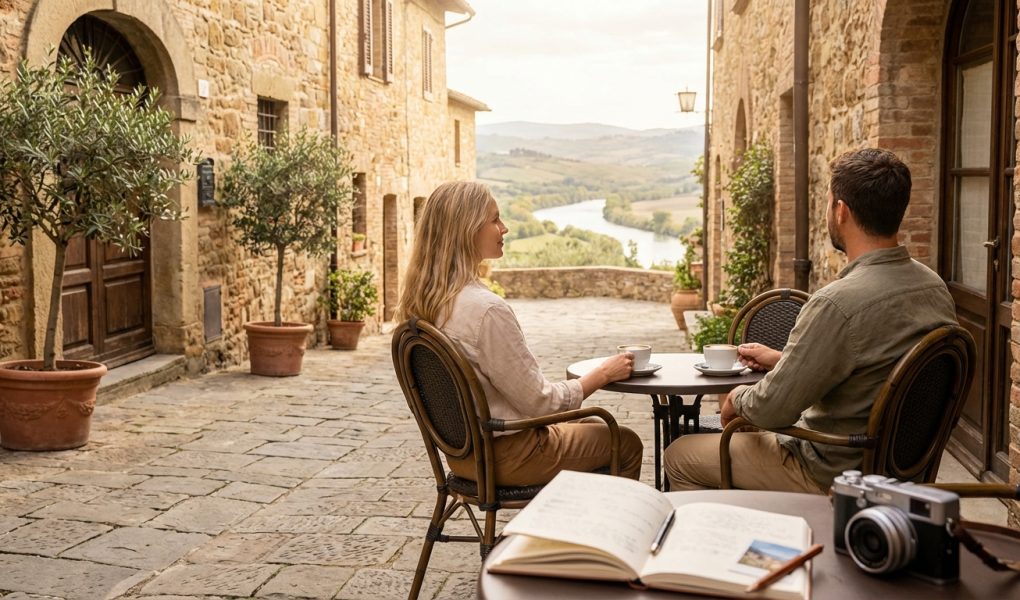
The best weekend escapes feel longer because they create space. Space to breathe. Space to wander without a map. Space to sit at a cafe for two hours without guilt.
The Three-Hour Rule for Destination Selection

Geography matters more than you think.
Destinations within three hours of home (by car, train, or plane) hit a sweet spot. Close enough that travel doesn’t devour your weekend. Far enough that you feel transported to somewhere different.
Four-hour drives sound manageable until you factor in packing, traffic, and unpacking. By the time you settle in, half your Saturday is gone. Six-hour journeys require recovery time that defeats the purpose of a short trip.
Consider these distance guidelines:
- 90 minutes to 2 hours: Perfect for spontaneous escapes
- 2 to 3 hours: Ideal for planned weekend trips
- 3+ hours: Reserve for three-day weekends only
This constraint forces you to look closer to home. You’ll discover places you’ve overlooked for years. That coastal town 90 minutes away. The mountain village two hours north. The historic city you’ve driven past a hundred times.
Sometimes the best destinations hide in plain sight, much like secret gardens and urban oases you can actually visit that transform familiar cities into new experiences.
How to Structure Your Days for Maximum Restoration
Here’s the framework that changes everything:
- Arrive Thursday evening or Friday by 3 PM
- Schedule one meaningful activity per day (maximum two)
- Build in three-hour blocks of unstructured time
- Leave Sunday morning free for a leisurely departure
This structure feels counterintuitive. You’re paying for accommodations. Shouldn’t you pack in more?
No.
The magic happens in the margins. Those unstructured hours let you stumble upon the local bookshop. Chat with the barista who recommends a hidden trail. Take a nap without setting an alarm.
“The best travel memories rarely come from scheduled activities. They emerge from the moments between plans, when you’re relaxed enough to notice what’s actually around you.” – Travel psychologist Dr. Sarah Chen
Your two planned activities should anchor your days without dominating them. A morning hike. An afternoon wine tasting. A sunset kayak trip. Choose experiences that match your natural energy rhythms.
Accommodation Choices That Transform the Experience
Where you stay matters as much as where you go.
Skip the generic hotel off the highway. Your accommodation should feel like a destination itself. A place you actually want to spend time.
Consider these options:
- Historic bed and breakfasts with character
- Boutique hotels in walkable neighborhoods
- Cabins with porches and views
- Unique rentals (treehouses, houseboats, converted barns)
The right accommodation eliminates the need to constantly leave. You can enjoy your morning coffee on a private balcony. Read a book in a garden hammock. Cook dinner in a well-equipped kitchen.
Budget accordingly. Spending 30% more on accommodations while doing 50% fewer paid activities usually balances out. Plus, you’ll actually remember where you stayed.
Location within your destination matters too. Choose walkable neighborhoods where you can stroll to coffee, meals, and a few shops without getting in the car. This reduces the mental load of constant logistics.
The Two-Activity Maximum Rule
This rule feels restrictive until you try it.
Most people cram their weekends with four to six planned activities. Museum in the morning. Lunch reservation. Afternoon tour. Dinner plans. Evening show. By Sunday, you’re more exhausted than when you left.
Limiting yourself to two activities per day (or even one substantial experience) creates breathing room. You’re not rushing. Not watching the clock. Not racing to the next thing.
What counts as an activity?
- A guided tour
- A ticketed attraction
- A reservation you must keep
- Any experience with a fixed schedule
What doesn’t count?
- Walking around a neighborhood
- Browsing shops and galleries
- Sitting at a cafe
- Spontaneous stops
This distinction matters. You want flexibility to follow your energy and interests in the moment.
Common Planning Mistakes and How to Avoid Them
| Mistake | Why It Backfires | Better Approach |
|---|---|---|
| Booking every meal in advance | Removes spontaneity and flexibility | Reserve one special dinner; keep other meals open |
| Packing a full suitcase | Creates stress and limits movement | Pack for half the days (you can rewear clothes) |
| Planning activities for Sunday | Rushes your departure and adds stress | Keep Sunday completely free except for travel home |
| Choosing trendy destinations | Crowds and overpriced experiences | Pick places gaining attention but not yet saturated |
| Checking work email | Prevents mental disconnection | Set up auto-replies and turn off notifications |
The Sunday mistake deserves special attention. Checking out at 11 AM, squeezing in one more activity, then facing traffic home guarantees you’ll start Monday exhausted. Instead, wake naturally on Sunday. Enjoy a slow breakfast. Leave by 10 AM to beat traffic. You’ll arrive home with time to unpack and mentally prepare for the week.
Destinations That Naturally Encourage Slow Travel
Certain places lend themselves to the pace you’re seeking.
Small coastal towns work beautifully. Limited attractions mean you’re not fighting FOMO. The rhythm of the ocean sets a calming pace. You can walk everywhere.
Wine regions offer built-in slowness. Tastings naturally space out your day. The landscape invites lingering. Most offer excellent food and comfortable accommodations.
Mountain towns in shoulder seasons provide similar benefits. Fewer crowds than peak times. Lower prices. That crisp air that makes you want to sit on a porch with a blanket and a book.
Historic small cities (populations under 100,000) hit another sweet spot. Enough to do that you won’t get bored. Small enough that you won’t feel overwhelmed. Walkable cores that eliminate driving stress.
If you’re drawn to places off the beaten path, consider 15 underrated European cities that rival Paris and Rome for future longer trips that apply the same slow-travel principles.
The Pre-Trip Mental Shift
Your vacation actually starts before you leave.
Most people carry work stress into their weekend escapes. Your body arrives at the destination, but your mind stays at the office. Emails. Projects. Monday’s meeting.
Try this pre-departure routine:
- Complete a hard stop on work by Thursday at 5 PM
- Write down any lingering work thoughts in a notebook (to address Monday)
- Set a specific out-of-office message that doesn’t promise to check email
- Physically put your laptop in a closed drawer or closet
- Take 10 minutes Thursday evening to sit quietly and acknowledge the transition
This ritual signals to your brain that you’re shifting modes. The act of writing down work concerns prevents them from cycling through your mind all weekend.
Also consider what you’re escaping to, not just from. Frame your trip around what you want to feel (relaxed, inspired, connected) rather than what you want to avoid (stress, screens, obligations).
Food Strategies That Enhance Rather Than Complicate
Dining can make or break a weekend escape.
Over-planning meals creates stress. Under-planning leaves you hangry and searching for options at peak times. The balance lies in strategic flexibility.
Book one special dinner for Saturday night. Make it your splurge. Research it in advance. Get excited about it. This gives you something to anticipate without over-structuring your weekend.
Keep everything else flexible. Scout breakfast spots near your accommodation Thursday night or Friday morning. Ask locals (your accommodation host, a shop owner, your Saturday dinner server) for lunch recommendations.
Pack snacks for your room. Good coffee or tea. Fruit. Cheese and crackers. This eliminates the pressure to go out for every meal. Sometimes the best lunch is cheese and wine on your balcony.
The approach you take to finding authentic dining experiences can transform your trip, similar to strategies in where locals actually eat, adapted for smaller destinations.
Building Your Personal Weekend Escape Formula
After a few intentional weekend trips, you’ll notice patterns.
Maybe you love water. Coastal towns, lake houses, and riverside cities consistently restore you. Or perhaps you’re drawn to mountains and forests. Elevation changes your mood in ways beaches don’t.
Some people need culture and stimulation. Art galleries. Live music. Interesting architecture. Others crave absolute quiet. Cabins with no neighbors. Towns where the loudest sound is birdsong.
Pay attention to what actually relaxes you versus what you think should relax you. If museums stress you out, stop including them. If you hate hiking, choose different activities. Your weekend escapes should match your authentic preferences, not Instagram’s version of the perfect getaway.
Create a simple checklist based on your patterns:
- Preferred setting (coast, mountains, city, countryside)
- Ideal accommodation type
- Energy level (active exploration vs. pure rest)
- Social needs (meeting new people vs. total privacy)
- Weather preferences
This personal formula speeds up future planning. You’ll recognize promising destinations faster and avoid ones that don’t match your restoration style.
Making It Work on a Realistic Budget
Weekend escapes don’t require luxury budgets.
The slow-travel approach actually saves money. Fewer activities mean fewer admission fees. More time at your accommodation means fewer transportation costs. Flexible meal planning lets you mix splurges with simple, affordable options.
Consider these budget strategies:
- Travel during shoulder season (spring and fall weekdays)
- Book accommodations with kitchens to prepare some meals
- Choose free activities (hiking, beach time, neighborhood walks)
- Visit smaller towns where everything costs less
- Use your one splurge strategically (great dinner or special accommodation)
A genuinely restorative weekend often costs less than a packed itinerary. You’re paying for quality over quantity. One excellent meal beats three mediocre ones. A beautiful room you actually enjoy beats a cheap hotel you only use for sleeping.
For longer trips where budget becomes more critical, the principles in how to build a travel budget that actually works for adventure seekers can help you prioritize spending on what matters most.
The Monday Morning Test
Here’s how you know your weekend worked.
Monday morning arrives. Your alarm goes off. How do you feel?
If you’re genuinely rested, the trip succeeded. If you’re already exhausted and need another vacation, something went wrong.
The best weekend getaways leave you with energy, not depletion. You should feel like you’ve been gone longer than two days. Your coworkers might comment that you look refreshed. You have stories to share, but you’re not overwhelmed by everything you tried to pack in.
This Monday morning feeling becomes your guide. It tells you what worked and what to adjust next time. Maybe you needed one fewer activity. Or a closer destination. Or less driving between locations.
Track what delivers that rested Monday feeling. Those are the elements to repeat and refine.
Creating Space for What Actually Matters
Weekend getaways that feel like a vacation share a common thread.
They prioritize being over doing.
This shift challenges everything modern travel culture tells you. Social media showcases packed itineraries and endless activities. Travel blogs list “25 things you must do” in every destination. The pressure to maximize and optimize is constant.
But restoration doesn’t come from checking boxes. It emerges from presence. From noticing. From having the space to actually experience where you are instead of rushing to the next thing.
Your weekend escapes become genuinely restorative when you give yourself permission to do less. To skip the famous attraction if you’d rather sit by the water. To spend an hour in a bookshop instead of racing through a museum. To prioritize how you feel over what you accomplish.
The destinations you choose matter less than how you approach them. A perfectly planned weekend in an amazing location will disappoint if you pack it too full. A simple trip to a modest destination will restore you if you build in space to breathe.
Start planning your next weekend with this question: What would make me feel like I’ve been gone for a week? The answer probably involves doing less, not more.
Your Next Restorative Escape Starts With One Decision
You don’t need to overhaul your entire approach to weekend travel.
Start with one element. Choose a destination under three hours away. Limit yourself to two activities. Book accommodations that feel special. Build in unstructured time.
That single change will shift your experience. You’ll notice the difference immediately. The trip will feel longer. You’ll return more rested. Monday morning won’t feel like a punishment.
Then add another element. And another. Over time, you’ll develop your own rhythm for weekend escapes that actually deliver the restoration you’re seeking.
Your next trip is waiting. Make it one that leaves you refreshed instead of exhausted.