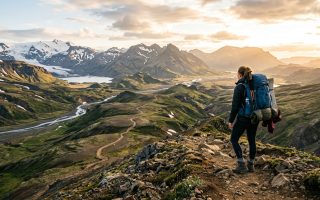
Standing at the edge of a narrow sandstone crack, you clip into your rope and lean back over a 60-foot drop into a sculpted corridor so narrow you can touch both walls at once. This is canyoneering in slot canyons, and it might just be the most exhilarating adventure you’ve never tried.
Canyoneering in slot canyons combines rappelling, scrambling, and problem-solving through narrow rock formations carved by water over millennia. This sport offers an accessible entry point for adventure seekers willing to learn basic rope skills, with guided trips available for beginners and technical routes for experienced climbers. Proper gear, safety training, and respect for flash flood risks make this activity both thrilling and manageable for first-timers.
What Makes Slot Canyon Canyoneering Different
Slot canyons are geological masterpieces. Water carves these narrow passages through sandstone over thousands of years, creating corridors where walls tower hundreds of feet overhead while standing just a few feet apart.
Canyoneering through these formations means you’ll rappel down vertical drops, chimney between tight walls, wade through pools, and navigate natural obstacles that change with every turn. Unlike traditional rock climbing where you ascend, canyoneering moves downward through terrain that demands constant adaptation.
The sport originated in the American Southwest, particularly around Utah and Arizona, where erosion created some of the world’s most dramatic slot formations. Today, canyoneering hotspots exist worldwide, but the narrow sandstone slots of the Colorado Plateau remain the gold standard.
Water sculpts these canyons into shapes that defy expectation. You’ll encounter sections called “The Subway” or “The Narrows” where light filters down from hundreds of feet above, illuminating striated walls in shades of orange, red, and purple. The geology creates an underground cathedral effect that no gym or outdoor climbing wall can replicate.
Essential Skills You’ll Actually Use
Canyoneering in slot canyons requires a specific skill set, but none of it is beyond reach for motivated beginners.
Core techniques include:
- Rappelling on a single rope system
- Reading canyon conditions for flash flood risk
- Anchor assessment and backup systems
- Stemming and chimneying between narrow walls
- Pack management in confined spaces
- Route finding through complex terrain
- Water crossing and swimming with gear
Rappelling forms the foundation. You’ll use a friction device attached to your harness to control your descent down ropes anchored at the top of drops. The mechanics are straightforward, but mastering smooth descents on uneven rock faces takes practice.
Chimneying involves pressing your back against one wall and your feet against the opposite wall to move up or down without a rope. This technique works in sections too narrow for rappelling but too wide to simply squeeze through.
Reading weather becomes critical. Slot canyons funnel water from miles away. A sunny day at the trailhead means nothing if thunderstorms are building upstream. You’ll learn to check forecasts for entire drainage basins, not just your immediate location.
“The most important skill in slot canyoneering isn’t rope work. It’s knowing when not to enter the canyon. Flash floods kill more canyoneers than any technical mistake.” — Desert rescue coordinator with 15 years of canyon experience
Gear That Actually Matters
You don’t need a garage full of equipment to start canyoneering in slot canyons, but the right basics make the difference between a great day and a dangerous situation.
| Gear Category | What You Need | Why It Matters |
|---|---|---|
| Harness | Canyoneering-specific model | Designed for rappelling and comfort during long descents |
| Rope | Static line, 8-9mm diameter | Handles abrasion better than dynamic climbing rope |
| Descender | Figure-8 or ATC-style device | Controls your speed on rappels |
| Helmet | Climbing-rated hardshell | Protects from rockfall and head bumps in tight spaces |
| Footwear | Approach shoes or canyoneering boots | Sticky rubber for wet rock, ankle support for uneven terrain |
| Wetsuit or drysuit | 3-5mm neoprene | Water temperatures in slots stay cold year-round |
| Dry bag | 20-30 liter waterproof pack | Keeps essentials dry during water sections |
Rental options exist at most canyoneering hubs. Many guide services include gear in their trip prices, making your first experience more accessible without major investment.
Clothing deserves special attention. Cotton kills in wet canyons. Synthetic or wool base layers dry faster and maintain warmth when soaked. Many experienced canyoneers wear wetsuits even in summer because water temperatures in deep slots hover around 50-60°F regardless of air temperature above.
A headlamp belongs in every pack. Some slot sections block so much sunlight that you’ll need artificial light at midday. Bring backup batteries in a waterproof case.
Your First Descent Step by Step
Booking a guided trip gives you the safest introduction to canyoneering in slot canyons. Here’s what a typical beginner experience looks like:
- Meet your guides at the trailhead for gear fitting and safety briefing
- Hike to the canyon entrance, usually 30-60 minutes on desert trails
- Practice rappelling on a low-angle section before committing to the route
- Descend through the technical sections with guides managing anchors
- Navigate water obstacles, tight squeezes, and scrambling sections
- Exit the canyon and hike back to vehicles
The pace stays relaxed. Good guides prioritize skill development over speed. Expect 4-6 hours total for a beginner-friendly slot canyon, with actual time in the canyon ranging from 2-4 hours depending on group size and conditions.
Your guides will demonstrate each rappel, then talk you through your descent. They manage rope systems, identify hazards, and make real-time decisions about route conditions. This allows you to focus on technique and enjoyment rather than navigation and risk assessment.
Physical fitness requirements are moderate. You need enough upper body strength to control your descent and enough leg strength for hiking and chimneying. If you can do 10 pull-ups and hike 5 miles with a light pack, you’ll handle most beginner routes comfortably.
Common Mistakes and How to Avoid Them
New canyoneers make predictable errors. Learning from others’ experiences beats learning from your own mishaps.
| Mistake | Why It Happens | How to Avoid It |
|---|---|---|
| Bringing too much gear | Overpacking for “what if” scenarios | Use packing lists from experienced guides, test your pack in tight spaces before the trip |
| Ignoring weather forecasts | Assuming local conditions tell the whole story | Check weather for entire watershed, postpone if rain is predicted anywhere upstream |
| Wearing cotton clothing | Not understanding evaporative cooling in wet environments | Invest in synthetic base layers, rent a wetsuit if needed |
| Rushing through sections | Excitement overrides caution | Set a sustainable pace, take breaks to assess each obstacle |
| Inadequate sun protection | Underestimating exposure on approach hikes | Apply sunscreen before starting, bring lip balm and a hat |
Hydration deserves special mention. Desert approaches in summer heat require 3-4 liters of water per person. Once you’re in the canyon, exiting early becomes difficult or impossible. Carry more water than you think you need.
Photography temptations cause delays. Slot canyons are stunningly photogenic, but stopping for shots at every turn extends your time in the canyon. Designate specific photo stops rather than pausing constantly.
Where Beginners Should Start
Not all slot canyons suit first-time canyoneers. The best beginner destinations offer short approaches, moderate technical challenges, and reliable guide services.
Top beginner-friendly locations include:
- Zion National Park area (Utah): Multiple permitted routes with varying difficulty
- Page, Arizona region: Antelope Canyon and similar formations with commercial tours
- Moab, Utah surroundings: Shorter slots with easier access
- Grand Staircase-Escalante (Utah): Dozens of options from easy to extreme
Zion’s Orderville Canyon or Pine Creek provide excellent introductions. Both feature sustained slot sections, multiple rappels, and stunning scenery without requiring advanced technical skills. Permits are required and competitive, so plan several months ahead.
The Escalante area offers more flexibility. Many canyons don’t require permits, though you still need to register at trailheads. Peek-a-Boo and Spooky Gulch make a perfect day trip for beginners, with minimal rappelling but plenty of tight squeezes and problem-solving.
Guided trips eliminate permit headaches and provide local expertise. Companies like how to build a travel budget that actually works for adventure seekers can help you plan the financial side of your canyoneering adventure.
International options exist too. Spain’s Sierra de Guara, France’s Verdon Gorge, and Australia’s Blue Mountains all offer slot canyoneering, though the American Southwest remains the most accessible starting point for English-speaking beginners.
Safety Considerations That Actually Keep You Safe
Flash floods represent the primary hazard in slot canyons. Understanding this risk isn’t optional.
Water can rise from ankle-deep to 20 feet in minutes when storms hit upstream drainage areas. You won’t hear it coming. You won’t have time to climb out. The walls are too smooth and vertical.
Check detailed weather forecasts for the entire watershed before entering any slot canyon. If thunderstorms are predicted anywhere in the drainage basin, postpone your trip. Period.
Beyond flood risk, other safety factors include:
- Rockfall from natural erosion or other groups above you
- Hypothermia from cold water immersion
- Rope damage from sharp rock edges
- Anchor failure if webbing is old or improperly rigged
- Getting stuck in narrow sections, especially with large packs
Never canyon alone. Groups of three minimum allow one person to stay with an injured party while another goes for help. Four is better.
Carry a communication device. Cell phones rarely work in deep slots. Personal locator beacons (PLBs) or satellite communicators like inReach devices provide emergency contact when you’re beyond cell range.
Leave detailed trip plans with someone outside your group. Include your intended route, expected return time, and emergency contact information. This simple step has saved lives when groups got stranded or injured.
Building Skills Beyond Your First Trip
One guided trip will either hook you completely or convince you that canyoneering isn’t your thing. If you catch the bug, here’s how to progress safely.
Take a formal canyoneering course. Organizations like the American Canyoneering Academy offer multi-day programs covering rope systems, anchor building, rescue techniques, and route planning. These courses compress years of trial-and-error learning into intensive hands-on training.
Practice rope skills regularly. Set up rappels at local climbing areas or indoor gyms with tall walls. Muscle memory for smooth descents and emergency procedures develops through repetition, not occasional use.
Study geology and hydrology. Understanding how slot canyons form and how water moves through desert landscapes makes you a smarter, safer canyoneer. Books like “Canyoneering: A Guide to Techniques for Wet and Dry Canyons” provide technical knowledge beyond basic skills.
Join a canyoneering community. Online forums, local clubs, and social media groups connect you with experienced partners. Mentorship from seasoned canyoneers accelerates your learning curve while keeping you safer.
Progress gradually through difficulty ratings. Canyon rating systems use multiple factors: longest rappel, number of rappels, water depth, escape difficulty, and commitment level. Start with Class 3A routes and work up as your skills and confidence grow.
The Experience That Stays With You
Canyoneering in slot canyons offers something rare in modern adventure travel: genuine uncertainty. You can’t see what’s around the next bend. You can’t predict exactly how each obstacle will challenge you. You can’t replicate the experience at home.
The sensory experience is complete. Cool stone under your hands, the echo of dripping water, shafts of light illuminating suspended dust particles, the smell of wet sandstone. Your world narrows to the immediate task: rig this rappel, navigate this pool, squeeze through this restriction.
Time distorts in slots. Hours feel like minutes when you’re problem-solving through beautiful terrain with good partners. The outside world disappears completely. No phone notifications, no traffic noise, no obligations beyond moving safely through the canyon.
Physical and mental challenges blend seamlessly. Your body works hard, but your mind stays equally engaged. Should you stem this section or rappel? Is that anchor solid? Can your pack fit through that gap, or should you pass it separately?
The achievement feels earned. Unlike passive tourism, canyoneering requires genuine effort and skill development. When you emerge from a slot canyon, tired and probably wet, you’ve accomplished something that demanded your full presence and capability.
Many adventure seekers find that canyoneering scratches an itch that other outdoor activities don’t quite reach. It combines elements of climbing, hiking, swimming, and puzzle-solving into an experience that feels both ancient and immediate.
Why This Adventure Deserves Your Attention
Canyoneering in slot canyons isn’t just another outdoor activity to check off a list. It’s a gateway into landscapes that few people ever see, requiring skills that build confidence across all areas of your life.
The barriers to entry are lower than you might think. You don’t need years of climbing experience or extreme fitness. You need curiosity, reasonable physical capability, and willingness to learn. A single guided trip provides enough foundation to decide if you want to pursue the sport further.
The adventure community around canyoneering tends toward the welcoming end of the spectrum. Experienced canyoneers remember their first descents and generally enjoy sharing knowledge with motivated beginners. Unlike some outdoor sports with gatekeeping cultures, canyoneering rewards enthusiasm and careful preparation over ego and bravado.
Start planning your first slot canyon experience now. Research guide services in Zion or the Escalante region. Book a trip for the shoulder seasons (April-May or September-October) when temperatures moderate and crowds thin. Invest in a good wetsuit if you plan multiple trips. Connect with others who share your interest in pushing boundaries safely.
The slot canyons have waited millions of years. They’ll be there when you’re ready. But the version of yourself that’s ready for this challenge? That person exists right now, reading these words and feeling that pull toward something new and slightly intimidating. Trust that instinct. Your first rappel into a sculpted sandstone corridor might just change how you think about adventure entirely.