Standing in a centuries-old kitchen in Bologna, my hands covered in flour and egg yolk, I realized something profound. The grandmother teaching me to roll sfoglia wasn’t just showing me how to make pasta. She was handing me a piece of her family’s history, one that stretched back through generations of women who had stood in this exact spot, rolling dough on the same marble counter.
That morning changed how I travel. Now, I don’t just eat my way through destinations. I cook my way through them.
Cooking classes worth traveling for offer more than recipes. They provide intimate access to local culture, family traditions, and [culinary techniques](https://en.wikipedia.org/wiki/Culinary_arts) you can’t learn from cookbooks. The best experiences combine hands-on instruction, market visits, and meals shared with local instructors. These classes transform passive tourists into active participants, creating skills and memories that last far longer than any souvenir.
Why cooking classes create deeper travel experiences
Most tourists eat at restaurants. Some visit cooking schools. But the travelers who truly understand a place? They’re the ones kneading dough beside local home cooks, learning why certain spices matter, and hearing stories that never make it into guidebooks.
Traditional cooking classes teach techniques. Exceptional ones teach culture.
When you learn to make mole in Oaxaca, you’re not just grinding chilies. You’re understanding why this sauce takes three days to prepare, why each family guards their recipe, and why certain ingredients only appear during specific festivals. The instructor’s hands tell stories her words might miss.
These experiences stick with you differently than museum visits or scenic overlooks. You can recreate them at home. Every time you make that dish, you’re transported back to that kitchen, that teacher, that moment of connection.
Finding authentic cooking experiences that match your style
Not all cooking classes deliver the same value. Some cater to cruise ship crowds, rushing through recipes in hotel conference rooms. Others offer genuine cultural exchange in family homes or neighborhood restaurants.
The difference shows immediately.
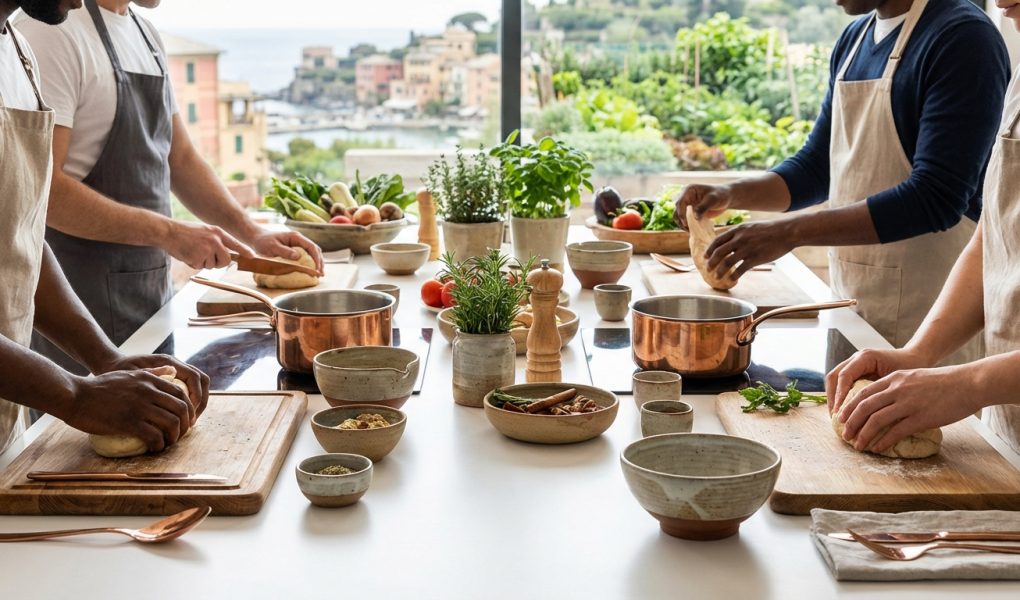
Look for classes limited to eight students or fewer. Smaller groups mean more hands-on time, personalized instruction, and actual conversation with your teacher. You want to chop vegetables, not watch someone else do it while you take notes.
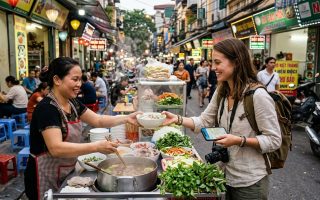
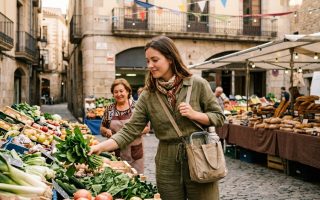
Market tours before class add another layer of authenticity. Walking through morning markets with your instructor, learning to select ingredients, negotiating with vendors, these moments teach you how locals actually cook. You see what’s seasonal, what’s prized, what gets used in ways you’d never guess.
“The best cooking teachers are home cooks, not trained chefs. They teach you the dishes their mothers taught them, the shortcuts that actually work, the mistakes everyone makes at first. That knowledge is priceless.” – Maria Gonzalez, culinary tour operator
Pay attention to where classes take place. Home kitchens, family restaurants, and neighborhood cooking schools typically offer more genuine experiences than tourist-focused culinary centers. You want to cook where locals cook, using the equipment they use, facing the same challenges they face daily.
How to choose cooking classes worth traveling for
The decision process starts with your interests. Do you want to master one specific technique, or learn the foundations of an entire cuisine? Are you comfortable in kitchens, or do you need patient, beginner-friendly instruction?
Consider these factors when evaluating options:
- Read reviews from solo travelers, not just couples or groups. Solo reviewers often provide more detailed, honest feedback about instruction quality and group dynamics.
- Check what’s included beyond cooking time. Some classes offer recipe books, ingredient samples, or follow-up support that extends the value.
- Verify the class language matches your comfort level. Some instructors teach through translators, which works fine for techniques but limits cultural storytelling.
- Confirm dietary accommodations before booking. The best instructors adapt recipes thoughtfully rather than just removing ingredients.
- Ask about class size limits and whether they’re enforced. A class advertised for eight that actually books twelve loses intimacy and instruction quality.
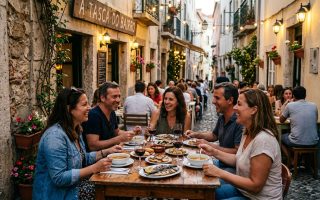
- Look for classes that end with shared meals. Eating together creates community and lets you taste properly prepared versions of what you just made.
The investment varies widely. Budget-friendly options in Southeast Asia start around $30-50 for half-day classes. European experiences typically run $100-200. Multi-day immersions with accommodation can reach $2,000 or more.
Price doesn’t always indicate quality. Some of my most memorable classes cost less than dinner at a nice restaurant. What matters is the instructor’s passion, the setting’s authenticity, and the experience’s cultural depth.
Practical preparation before your cooking class
Smart preparation enhances any cooking class experience. Start by researching the cuisine’s basic principles before you travel. You don’t need expertise, just familiarity with common ingredients and typical dishes.
Bring these essentials to class:
- A small notebook for jotting down tips, measurements, and personal observations
- Your phone or camera for photos (always ask permission first)
- An open mind about unfamiliar ingredients and techniques
- Comfortable, closed-toe shoes (kitchen floors get slippery)
- Hair ties if you have long hair
- A light appetite (you’ll be tasting constantly)
Arrive early if possible. Those pre-class minutes let you chat with instructors, ask preliminary questions, and settle into the space without feeling rushed. Some of the best tips come during these informal moments.
Tell your instructor about your cooking experience level honestly. Pretending expertise helps no one. Good teachers adjust their instruction based on student skills, but they need accurate information to do so effectively.
Ask about taking ingredients home if you’re interested. Some classes provide small amounts of specialty spices or sauces. Others can direct you to local shops where you can purchase supplies before leaving the destination.
Common mistakes that diminish cooking class experiences
Even enthusiastic students make predictable errors that limit their learning. Recognizing these patterns helps you avoid them.
| Mistake | Why It Matters | Better Approach |
|---|---|---|
| Focusing only on photography | You miss technique demonstrations and verbal tips | Take a few photos, then put the camera away |
| Skipping the market tour | You lose context about ingredient selection and seasonality | Always choose classes that include market visits |
| Not asking questions | Instructors can’t address confusion they don’t know exists | Speak up immediately when something’s unclear |
| Comparing to home cooking methods | Different cuisines require different approaches | Stay open to new techniques even when they seem inefficient |
| Rushing through steps | Speed reduces learning and often compromises results | Work at a sustainable pace that allows observation |
| Avoiding unfamiliar ingredients | You miss the chance to expand your culinary range | Taste everything at least once |
The biggest mistake? Treating cooking classes like entertainment rather than education. You’re not just filling time between sightseeing. You’re learning skills that connect you to a culture in ways most visitors never experience.
Students who engage actively, ask questions freely, and focus on technique rather than perfect results consistently report more satisfying experiences. They leave with genuine skills instead of just recipe cards they’ll never use.
Making cooking class skills work in your home kitchen
The real test comes weeks later, back in your own kitchen. Can you actually recreate what you learned? The answer depends on how you approach the transition.
Start by attempting the recipes within two weeks of returning home. Muscle memory fades. The sooner you practice, the more you’ll retain. Your first attempts won’t match what you made in class, and that’s fine. You’re building skills, not competing with professionals.
Adapt recipes to available ingredients thoughtfully. Some substitutions work beautifully. Others fundamentally change the dish. When you can’t find specific ingredients, research proper alternatives rather than guessing. Online communities focused on that cuisine often provide helpful guidance.
Many travelers find success by hosting small dinner parties featuring their new skills. Teaching others what you learned reinforces your own understanding. Plus, sharing these experiences extends the joy beyond your own kitchen.
Consider connecting with local communities that celebrate the cuisine you studied. Most cities have cultural organizations, restaurants, or markets where you can find authentic ingredients and continue your education. These connections help maintain your skills and deepen your understanding over time.
Regional considerations that shape cooking class experiences
Different destinations offer distinct advantages for culinary learning. Understanding these patterns helps you match your interests to the right location.
Southeast Asian classes often emphasize balance and layering flavors. Thai cooking schools teach you to taste constantly, adjusting sweet, sour, salty, and spicy elements until they harmonize. Vietnamese instruction focuses on fresh herbs and delicate technique. The region’s affordability lets you take multiple classes without straining your budget.
European cooking education tends toward precision and tradition. Italian instructors teach you the “right” way to make regional specialties, often with strong opinions about what constitutes authenticity. French classes emphasize technique and presentation. These experiences cost more but offer deep dives into cuisines with centuries of codified methods.
Latin American cooking classes frequently incorporate cultural history and indigenous ingredients. Mexican instruction might cover pre-Hispanic cooking methods alongside contemporary fusion. Peruvian classes often address the country’s incredible biodiversity and how geography shapes cuisine. The storytelling component runs especially strong in these settings.
Middle Eastern and North African classes excel at teaching spice blending and bread making. Moroccan cooking schools often take you into family homes, where you’ll learn tagine techniques passed through generations. Turkish instruction might focus on meze preparation and the social aspects of shared meals.
When planning your itinerary, where locals actually eat can guide you toward neighborhoods where cooking classes feel more authentic and less touristy.
Building cooking classes into your travel itinerary
Timing matters more than most travelers realize. Schedule cooking classes early in your trip when possible. The knowledge you gain enhances your remaining restaurant meals. You’ll recognize ingredients, understand preparation methods, and order more confidently.
Half-day classes work well for packed itineraries. Morning sessions typically run from 9am to 1pm, leaving afternoons free for other activities. Evening classes often extend later, sometimes including wine pairings or extended meals that become social events.
Full-day immersions provide the most comprehensive learning but require dedicating an entire day to the experience. These intensive sessions often cover multiple dishes, include extended market time, and create opportunities for deeper cultural exchange. Book them for the middle of your trip when you’re acclimated but not yet exhausted.
Multi-day cooking retreats deserve their own dedicated trips. These programs combine accommodation, multiple classes, cultural excursions, and often visits to farms or producers. They’re not add-ons to existing travel plans. They are the plan.
Consider your energy levels honestly. Cooking classes require focus and physical stamina. Standing for several hours, working with your hands, and processing new information in potentially hot kitchens takes more energy than passive sightseeing. Don’t schedule demanding activities immediately before or after class.
Some travelers build entire itineraries around culinary education, taking classes in multiple cities within one country. This approach works particularly well in Italy, where regional cuisines vary dramatically. A Sicilian cooking class differs completely from one in Piedmont or Emilia-Romagna.
For those planning broader adventures, pairing cooking classes with other cultural experiences creates balanced trips. After learning basic phrases in the local language, you’ll find cooking instruction becomes richer as you can communicate more directly with instructors and fellow students.
Solo travelers and cooking class dynamics
Traveling alone to take cooking classes offers unique advantages. You’re not splitting attention between a companion and the instruction. You’re fully present, which accelerates learning.
Solo participants often form strong connections with instructors and other students. Shared meals at class conclusions create natural opportunities for conversation and friendship. Many travelers report these cooking class connections lead to ongoing relationships, recipe exchanges, and return visits.
Some cooking schools offer solo traveler discounts or waive single supplements for their multi-day programs. Others specifically design experiences for individual participants, recognizing that many culinary travelers prefer exploring independently.
The vulnerability of being alone in an unfamiliar kitchen, attempting new techniques, sometimes struggling, this creates authentic moments of human connection. Instructors often spend more time with solo students, sharing extra tips or family stories they might not mention in larger groups.
Safety concerns for solo travelers rarely apply to cooking classes. You’re in supervised, often residential settings, typically during daytime hours. The structured nature of classes provides security while still offering cultural immersion.
Dietary restrictions and cooking class accommodations
Modern cooking schools increasingly accommodate various dietary needs, but the process requires clear communication. Contact instructors well before your class date, explaining your restrictions specifically.
Vegetarian adaptations work easily in most cuisines. Many traditional dishes have vegetarian versions, or instructors can substitute ingredients without fundamentally changing the cooking techniques you’re learning. Vegan accommodations require more discussion, particularly in cuisines that rely heavily on dairy or eggs.
Gluten-free requests present varying challenges depending on the cuisine. Rice-based cultures like Thailand or Vietnam adapt easily. Pasta-focused Italian classes become more complicated, though some schools now offer gluten-free alternatives or entirely separate gluten-free sessions.
Allergy concerns demand serious attention. Nut allergies, shellfish sensitivities, and other potentially dangerous restrictions need clear communication. Reputable schools take these seriously and will work with you to ensure safe participation. If an instructor seems dismissive of allergy concerns, find a different class.
Some travelers with significant restrictions choose private cooking lessons over group classes. The higher cost buys flexibility and eliminates cross-contamination risks. Private instruction also allows you to focus entirely on dishes you can actually eat, maximizing the experience’s practical value.
Religious dietary laws like kosher or halal requirements need advance discussion. Some destinations have cooking schools specifically designed around these practices. In other locations, private instruction in appropriate facilities might be your best option.
Extending the value beyond the kitchen
Cooking classes create ripple effects that enhance your entire trip. The market visits introduce you to neighborhoods you might otherwise miss. The conversations with instructors provide insider knowledge about local culture, history, and current events.
Many cooking school operators offer additional services that complement the classes. They might arrange restaurant reservations at places tourists rarely find, connect you with local food producers, or suggest markets worth visiting independently.
The skills you learn apply beyond recreating specific dishes. Knife techniques work across cuisines. Understanding how to balance flavors helps you cook more intuitively. Learning to taste and adjust as you go transforms you from recipe follower to confident cook.
Some travelers discover new career directions through cooking classes. What starts as vacation activity becomes a passion that leads to career changes, food writing, or even opening restaurants. The classes provide proof of concept for dreams that seemed impractical before.
Document your experience thoroughly, but not obsessively. A few good photos of key steps help memory. Detailed notes about techniques and tips prove invaluable later. But remember that you’re there to learn and experience, not to create content.
Consider how cooking class experiences might connect with other interests. The art of attending local festivals becomes richer when you understand the traditional foods served during celebrations. Your appreciation for regional ingredients deepens when you know how they’re actually used in cooking.
When cooking classes justify changing your travel plans
Sometimes you’ll discover a cooking class so compelling that it’s worth rerouting your entire trip. This happens more often than you might expect.
Signs a class deserves this level of commitment include limited availability with specific instructors known for exceptional teaching, seasonal ingredients that only appear during narrow windows, or multi-day programs that require consecutive days you hadn’t originally planned to spend in one location.
Multi-generational cooking experiences, where you learn from families who’ve taught these recipes for decades, fall into this category. These opportunities don’t come around often. When you find them, seriously consider adjusting your itinerary.
Some cooking schools operate only during specific seasons, tied to harvest times or cultural festivals. Missing these windows might mean waiting an entire year for another chance. How to build a travel budget that actually works can help you evaluate whether the financial adjustment makes sense for your situation.
The calculation isn’t just about the class itself. Consider the total value: the skills gained, the cultural access, the memories created, and the stories you’ll tell for years. Sometimes a single exceptional experience justifies sacrificing several mediocre activities.
Bringing the lessons home in meaningful ways
The weeks after returning home determine whether your cooking class becomes a lasting skill or just a pleasant memory. Intentional practice makes the difference.
Create a dedicated cooking session within your first week home. Invite friends who’ll appreciate the effort and provide honest feedback. This first attempt shows you what you retained and what needs review. Take notes about what worked and what confused you.
Source ingredients thoughtfully rather than settling for whatever’s convenient. Finding proper substitutes takes research, but it preserves the dish’s integrity. Many specialty ingredients are available online if not locally. Building a pantry of authentic items lets you cook spontaneously rather than planning elaborate shopping trips each time.
Join online communities focused on the cuisine you studied. Facebook groups, Reddit communities, and specialized forums connect you with others learning the same skills. These groups answer questions, suggest ingredient sources, and provide encouragement when your attempts don’t match your memories.
Consider taking additional classes locally if available. Many cities have cooking schools or cultural centers offering instruction in various international cuisines. These follow-up classes reinforce what you learned abroad and often introduce new techniques.
Some travelers maintain contact with their original instructors through social media or email. Sending photos of your cooking attempts and asking occasional questions extends the learning relationship. Many instructors genuinely enjoy seeing students continue practicing and will gladly offer guidance.
The transformation that happens when you cook abroad
Something shifts when you stand in a foreign kitchen, learning from someone whose family has cooked these dishes for generations. You stop being a spectator and become a participant.
The instructor’s grandmother walks in and corrects your technique with a gentle hand on yours, showing you the proper wrist motion for kneading. The other students laugh when you all struggle with the same tricky step. Someone shares a bottle of local wine. Suddenly you’re not taking a class. You’re sharing a meal, a moment, a piece of someone’s life.
These experiences change how you see travel. Museums and monuments matter, but they keep you at arm’s length from the culture you’re visiting. Cooking classes put you in the middle of it, hands dirty, making mistakes, learning, connecting.
The recipes you bring home are souvenirs that actually get used. Every time you make that dish, you’re transported back to that kitchen, that teacher, that moment when you finally got the technique right. Your friends taste your cooking and hear your stories, and maybe they start planning their own culinary adventures.
That’s the real value of cooking classes worth traveling for. They don’t just teach you to cook. They teach you to connect, to understand, to see the world through the universal language of food shared and stories told over meals that took hours to prepare and minutes to devour, leaving everyone satisfied and somehow changed.
Start planning your culinary journey now. Research classes in destinations that call to you. Read reviews carefully. Book early for popular instructors. And when you finally stand in that kitchen, hands covered in flour or spices or dough, remember that you’re not just learning to cook. You’re learning to truly travel.