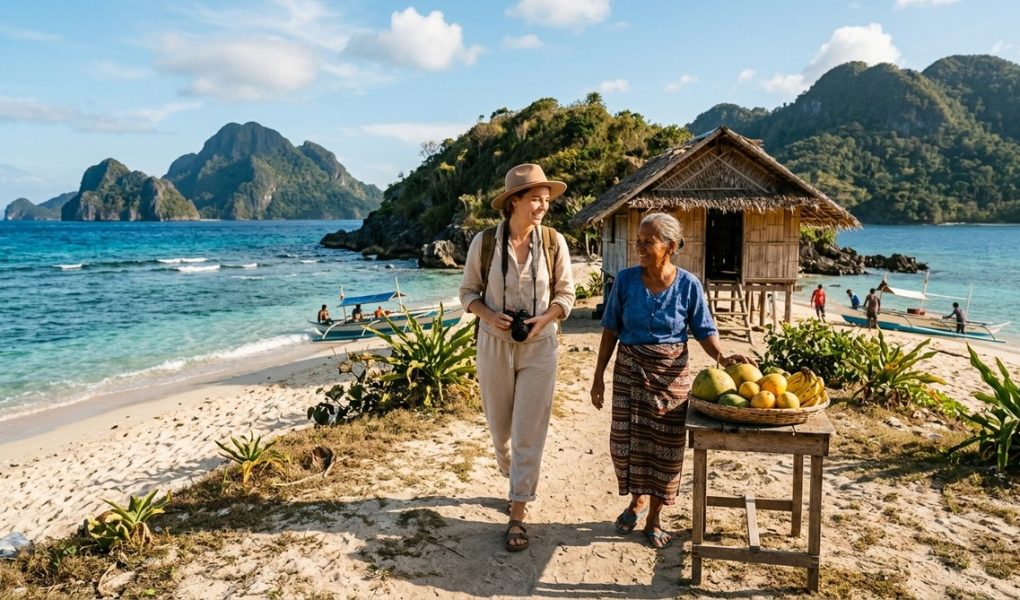
Looking for a travel adventure that truly immerses you in authentic local culture and stunning natural landscapes? Remote islands with genuine local experiences offer exactly that. These hidden gems provide a chance to step away from typical tourist paths and connect deeply with communities that maintain their traditions and natural beauty.
Authentic remote islands in 2026 offer adventure and cultural richness. They provide unique opportunities for travelers to engage with local traditions, enjoy pristine landscapes, and escape busy tourist spots. Planning involves careful research, respecting local customs, and choosing eco-friendly options for a meaningful experience.
Finding the Most Authentic Remote Islands
Choosing an island that offers genuine local experiences can seem overwhelming. The key is to look for destinations where communities are active custodians of their culture and environment. These islands often have fewer tourists, making every interaction more meaningful. To find such gems, consider these steps:
- Research lesser-known destinations
- Connect with local guides and community-run tours
- Prioritize sustainable and eco-friendly accommodations
Top Remote Islands That Bring Cultural Authenticity to Life
Many islands around the world remain largely untouched by mass tourism, offering authentic cultural interactions and pristine landscapes. Here are some standout options for 2026:
1. Socotra, Yemen
Socotra is known for its otherworldly landscapes and unique flora. Its isolation has preserved ancient traditions and a distinct way of life. Visiting Socotra allows you to witness local communities living in harmony with nature, often in ways that haven’t changed for centuries.
2. Kihnu Island, Estonia
Kihnu offers a glimpse into traditional Estonian culture. Known as the “island of women,” it maintains folk music, crafts, and dress that are centuries old. Participating in local festivals or craft workshops immerses visitors in authentic customs.
3. Ittoqqortoormiit, Greenland
This remote Greenlandic settlement is a hub for indigenous culture. Travelers can learn about Inuit traditions, participate in traditional hunting practices, and enjoy breathtaking Arctic landscapes far from tourist crowds.
4. Tanna Island, Vanuatu
Tanna is home to active volcanoes and vibrant local tribes. Visitors can witness age-old rituals, stay in community-run guesthouses, and gain insight into the island’s spiritual and cultural practices.
5. Floreana Island, Galápagos, Ecuador
While the Galápagos are famous for wildlife, Floreana remains less crowded. It offers opportunities for eco-friendly interactions with local conservation efforts and indigenous guides, blending nature and culture authentically.
How To Experience Remote Islands Respectfully
Engaging with local communities requires mindfulness and respect. Here are practical processes to ensure your visit benefits both you and the islanders:
- Choose local-guided tours rather than commercial operators
- Learn some basic phrases in the local language to foster goodwill
- Stay in community-run accommodations to support local livelihoods
- Participate in cultural activities with permission and sensitivity
- Follow environmental guidelines to minimize your footprint
Practical Steps for Planning Your Authentic Island Adventure
Planning a trip to remote islands involves a few strategic actions:
- Identify destinations with active community engagement
- Research the best time to visit to coincide with local festivals or seasons
- Book eco-friendly accommodations and tours in advance
- Connect with local organizations or guides for authentic experiences
- Prepare respectful travel etiquette and pack sustainably
Common Mistakes to Avoid When Visiting Remote Islands
| Mistake | Why It Matters | How to Avoid It |
|---|---|---|
| Overlooking local customs | Disrespect can harm community relations | Learn cultural norms and ask permission before participating in activities |
| Not supporting local businesses | Missed economic benefits | Stay in community guesthouses and buy crafts directly from artisans |
| Ignoring environmental guidelines | Damages fragile ecosystems | Follow all conservation rules and leave no trace |
| Visiting without prior research | Missed deeper engagement | Plan ahead with detailed guides and local contacts |
| Traveling during peak seasons without booking | Limited availability and higher costs | Schedule trips during shoulder seasons and reserve early |
Tips from Experts on Authentic Cultural Travel
“Traveling to remote islands isn’t just about seeing new places. It’s about engaging respectfully with local communities and understanding their way of life. Small gestures like learning a few words of the local language or participating in a traditional craft can create lasting connections.” — Dr. Emily Carter, cultural anthropologist
Making the Most of Your Remote Island Journey
Authentic local experiences on distant islands are among the most rewarding ways to travel. They offer a chance to see the world through a different lens and learn about cultures that have preserved their traditions over generations. When planning your trip, focus on community-led initiatives and sustainable practices. Be open-minded and curious, and always respect local customs and environments.
By taking these steps, you’ll not only enjoy a unique adventure but also contribute positively to the communities you visit. These islands are more than just scenic spots—they are living stories waiting to be shared with those who approach them with genuine respect and curiosity.
A Final Word on Authenticity and Adventure
Traveling to remote islands with authentic local experiences in 2026 can redefine your understanding of adventure. It pushes you beyond familiar sights and into the heart of cultures still rooted in tradition. The secret is to plan thoughtfully, support local communities, and approach each visit with respect and an open mind. With a little preparation, your journey can be both meaningful and memorable, enriching your life with stories you’ll cherish forever.