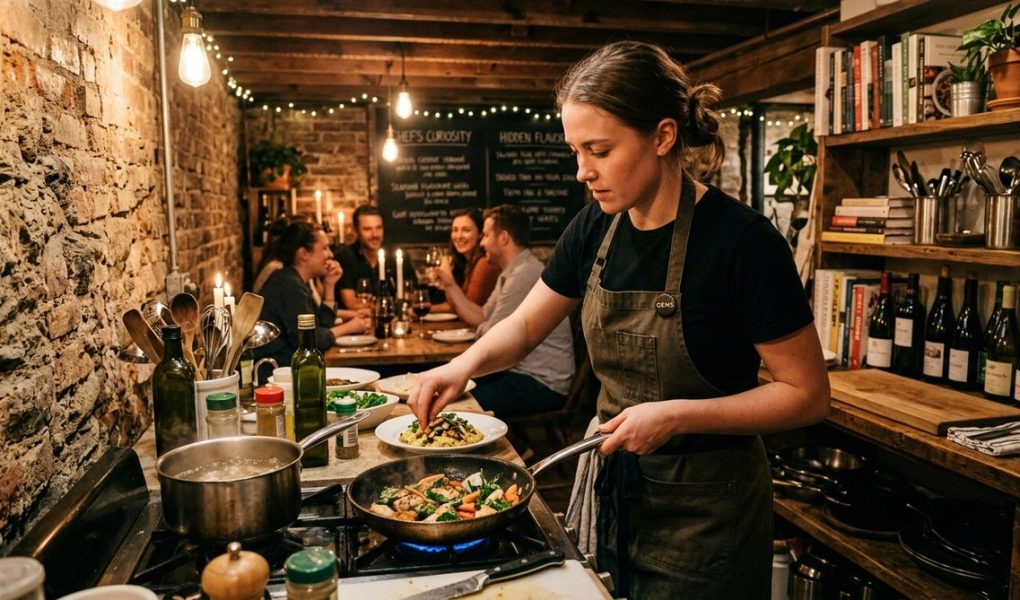
The best meal you’ll ever eat might be served in someone’s living room, behind a bookshelf, or in a backyard garden you’d never notice from the street. Underground restaurants operate outside traditional dining establishments, giving chefs the freedom to cook without compromise while offering diners access to culinary experiences impossible to find anywhere else.
Underground restaurants are invitation-only or hidden dining venues where chefs create unfiltered menus outside conventional restaurant constraints. These experiences range from apartment supper clubs to speakeasy-style establishments, offering adventurous eaters access to innovative cuisine, intimate settings, and direct connections with culinary talent. Finding them requires networking, social media research, and willingness to step outside standard reservation systems.
What Makes Underground Restaurants Different
Traditional restaurants answer to health inspectors, landlords, investors, and the pressure to fill seats every night. Underground restaurants answer to no one but the chef and their vision.
These venues operate in legal gray areas or as private events. Some function as pop-ups with rotating locations. Others maintain permanent addresses known only to insiders. The common thread is creative freedom.
Chefs working in underground spaces can source rare ingredients without worrying about food cost percentages. They can serve eight-course tasting menus to twelve people instead of turning tables four times per night. They can experiment with techniques that would never survive in a commercial kitchen.
The dining experience feels fundamentally different too. You might eat at a communal table with strangers who become friends by dessert. The chef often serves the food themselves, explaining each dish and the story behind it. There’s no host stand, no printed menu, and definitely no Yelp reviews.
How Underground Dining Scenes Operate Around the World
Different cities have developed their own underground restaurant cultures, shaped by local regulations, culinary traditions, and dining preferences.
New York City hosts everything from Michelin-caliber meals behind art galleries to Bangladeshi home cooking in Queens apartments. The city’s density and diversity create perfect conditions for hidden dining. Chefs use the model to test concepts before opening brick-and-mortar locations or simply to cook without the crushing overhead costs of Manhattan real estate.
London’s supper club scene emerged from the 2008 financial crisis when talented cooks couldn’t afford restaurant spaces. Home dining became a movement. Today, underground restaurants in London range from elegant affairs in Notting Hill townhouses to Caribbean feasts in Brixton living rooms.
Tokyo takes secrecy to another level. Some of the city’s best sushi counters have no signs, no websites, and accept only referrals from existing customers. This isn’t a trend but a continuation of centuries-old traditions around exclusive dining experiences. Learning how to explore Japan beyond Tokyo and Kyoto often means understanding these unwritten rules of access.
Mexico City blends underground dining with rooftop culture. Chefs host mezcal-paired dinners in apartment buildings, creating temporary restaurants that disappear after a single night. The city’s relaxed approach to permits and its passionate food culture make it a hotspot for experimental dining.
Buenos Aires pioneered the “puertas cerradas” (closed doors) movement, where chefs transformed their homes into restaurants open only to those who knew how to find them. Argentine beef, wine, and hospitality create unforgettable experiences in spaces that feel more like dinner parties than commercial ventures.
Finding Your Way Into Hidden Dining Experiences
Getting a seat at an underground restaurant requires different strategies than making a standard reservation. Here’s how to gain access.
-
Follow chefs on social media before they open restaurants. Many talented cooks build followings through pop-ups and underground events before launching permanent spaces. Instagram stories often announce upcoming dinners with limited seating.
-
Join local food communities and message boards. Cities with active underground scenes have Facebook groups, Discord servers, or Slack channels where members share information about upcoming events. Participation matters more than lurking.
-
Attend food festivals and culinary events. Chefs working in underground spaces often participate in public events. Meeting them in person and expressing genuine interest in their work can lead to invitations.
-
Ask servers and bartenders at restaurants you love. People working in the industry know about underground dining scenes. Building relationships with hospitality professionals opens doors.
-
Sign up for newsletters from culinary collectives. Many cities have organizations that coordinate pop-up dining events. Getting on their email lists ensures you hear about experiences before they sell out.
-
Search location-specific hashtags. Tags like #LDNsupperclub or #NYCpopup reveal active underground dining communities. Scroll through posts to identify recurring chefs and venues.
“The best underground restaurants don’t advertise. They rely on word of mouth because they want diners who appreciate what makes these experiences special. If you’re willing to do the research and respect the format, you’ll find incredible meals.” — Chef operating a monthly supper club in Portland
What to Expect at Your First Underground Meal
Walking into an underground restaurant feels nothing like entering a traditional dining establishment. Preparation helps you appreciate the experience instead of feeling confused.
Most underground venues communicate details through email or direct messages. You’ll receive the address a day or two before the event, sometimes just hours ahead. This protects the chef from unwanted attention and maintains the intimate atmosphere.
Payment usually happens in advance through Venmo, PayPal, or similar platforms. Cash at the door works for some events. Credit card terminals are rare. The pricing often seems high until you realize you’re getting a multi-course tasting menu with wine pairings for less than a comparable restaurant experience would cost.
Dress codes vary wildly. Some underground restaurants in underrated European cities that rival Paris and Rome expect cocktail attire. Others embrace the casual vibe of eating in someone’s home. When in doubt, ask the organizer.
Dietary restrictions require advance notice. Underground chefs often shop for specific ingredient quantities based on confirmed guest counts. Showing up and announcing you’re vegetarian when the menu centers on whole roasted animals creates problems. Communicate needs when you book.
The meal itself typically lasts two to four hours. Courses arrive when they’re ready, not on a rigid schedule. Conversation with other diners is expected and encouraged. Silence at an underground restaurant feels awkward in a way it never does at traditional establishments.
Comparing Underground Restaurants to Traditional Dining
Understanding the differences helps set appropriate expectations and appreciate what makes each format valuable.
| Aspect | Underground Restaurant | Traditional Restaurant |
|---|---|---|
| Menu flexibility | Chef creates exactly what they want, changes nightly | Menu designed for consistency, cost control, broad appeal |
| Seating | Often communal, single seating per night | Individual tables, multiple seatings |
| Reservations | Invitation or lottery system, limited availability | Standard booking platforms, walk-ins possible |
| Pricing | Fixed price for full experience | À la carte or prix fixe options |
| Location | Homes, studios, rotating venues | Commercial restaurant space |
| Regulations | Varies from fully permitted to gray area | Full health department oversight |
| Chef interaction | Direct, personal, often serves food themselves | Minimal, kitchen stays separate |
| Atmosphere | Intimate, experimental, unpredictable | Professional, consistent, polished |
Respecting the Underground Dining Culture
These experiences survive because participants understand and honor certain unwritten rules. Breaking them gets you uninvited and damages the community.
Never share the exact address publicly. Social media posts should tag the chef or event name without revealing the location. This protects hosts from regulatory issues and maintains the exclusive feeling that makes underground dining special.
Show up on time. Unlike restaurants that can seat you whenever you arrive, underground events often serve all guests simultaneously. Late arrivals disrupt the entire experience.
Engage with other diners. The communal aspect is intentional. Treating the meal like a transaction instead of a gathering misses the point. You don’t need to become best friends with everyone at the table, but basic conversation and openness matter.
Tip generously when appropriate. Some underground restaurants include gratuity in the fixed price. Others don’t. If the chef is doing everything themselves, cooking and serving a multi-course meal to a dozen people, recognize that labor.
Provide feedback directly and constructively. Underground chefs often use these events to test new dishes and techniques. Honest reactions help them improve. Skip the public reviews. These aren’t Yelp-rated establishments, and treating them like standard restaurants fundamentally misunderstands the model.
Safety and Legal Considerations
The underground nature of these dining experiences raises legitimate questions about safety and legality.
Health and safety standards vary dramatically. Some underground restaurants operate with full permits as private event spaces or catering businesses. Others function in legal gray areas. A few operate completely outside any regulatory framework.
Ask questions before attending. Reputable underground dining organizers are transparent about their setup. They’ll explain how they handle food safety, whether they have liability insurance, and what permits they operate under.
Food poisoning risk exists at any restaurant, underground or traditional. Watch for red flags like improper food storage temperatures, cross-contamination, or unsanitary conditions. Trust your instincts. If something feels off, it probably is.
Legal risks fall primarily on the chef and host, not diners. Attending an underground restaurant isn’t illegal. Operating one without proper permits can be. This distinction matters when evaluating whether to participate.
Some underground restaurants deliberately operate outside regulations as a form of culinary civil disobedience. Chefs argue that restrictive laws prevent innovation and create barriers to entry that favor corporate restaurant groups over independent talent. Whether you agree with this philosophy is a personal decision.
Building Relationships in Underground Food Communities
Regular participation in underground dining scenes creates connections that enhance your culinary adventures and travel experiences.
Return to chefs whose work resonates with you. Underground restaurants thrive on repeat guests who appreciate their vision. Showing up for multiple events demonstrates genuine interest beyond novelty seeking.
Introduce friends thoughtfully. Bringing people who understand and respect underground dining culture strengthens the community. Inviting those who treat it as Instagram content or complain about the informal setting damages it.
Support chefs when they transition to traditional restaurants. Many talented cooks use underground dining to build reputations and test concepts before opening permanent locations. Following their journey and patronizing their eventual restaurants rewards the risks they took.
Share information reciprocally. If someone tips you off about an amazing underground experience, return the favor when you discover something special. These communities function on mutual generosity.
The connections made through underground dining often lead to other authentic food experiences in tourist-heavy cities that guidebooks never mention. The bartender you met at a supper club knows about the family-run trattoria with no sign. The chef you supported at their pop-up invites you to a collaborative dinner with visiting talent.
Common Mistakes First-Time Underground Diners Make
Learning from others’ errors saves you from awkward situations and helps you appreciate these unique experiences.
Treating it like a regular restaurant reservation. Underground dining requires flexibility. Locations change. Start times shift. Menus evolve until hours before service. Rigidity and these experiences don’t mix.
Expecting standard service. There might not be a server. The chef might bring out dishes while wearing an apron covered in sauce. Water glasses might be mismatched. This informality is part of the charm, not a deficiency.
Photographing everything. Some underground restaurants request no photos to protect their location or maintain mystery. Others embrace social media with specific hashtags. Always ask before pulling out your phone.
Comparing it to Michelin-starred restaurants. Some underground dining experiences rival the world’s best restaurants. Others are talented home cooks sharing their passion. Judging both by the same standards misses what makes each valuable.
Skipping events because you don’t know anyone. Solo diners often have the best experiences at underground restaurants. The format naturally facilitates conversation and connection. Waiting until you can assemble a group means missing out.
Planning Travel Around Underground Dining
Serious food enthusiasts increasingly build trips around access to underground restaurants and exclusive dining experiences.
Research the underground food scene before booking flights. Cities with active supper club cultures and pop-up dining communities offer more opportunities than those without. Online forums and social media groups reveal which destinations have thriving underground scenes.
Time your visit around specific events when possible. Some underground restaurants operate monthly on set dates. Others announce pop-ups weeks in advance. Aligning your travel dates with confirmed dining experiences ensures you don’t miss out.
Build relationships before you arrive. Reaching out to chefs and event organizers weeks ahead, explaining your genuine interest, sometimes results in invitations or recommendations. Cold messages the day before rarely work.
Budget appropriately. Underground dining experiences often cost less than equivalent restaurant meals, but they’re rarely cheap. A multi-course tasting menu with wine pairings might run $100 to $300 per person depending on the city and chef.
Stay in neighborhoods where underground dining happens. Booking accommodations in residential areas rather than tourist zones puts you closer to the apartments, studios, and homes where these meals occur. This matters when events start at specific times and addresses arrive last minute.
Why Chefs Choose the Underground Path
Understanding chef motivations helps diners appreciate what makes these experiences special and why supporting them matters.
Creative freedom tops every list. Chefs working in traditional restaurants navigate investor expectations, food cost percentages, and menu items that sell versus what they want to cook. Underground restaurants eliminate those constraints.
Financial accessibility plays a major role. Opening a restaurant requires hundreds of thousands of dollars in build-out costs, equipment, permits, and operating capital. Starting an underground supper club requires a kitchen, some tables, and talent.
Testing grounds for bigger ambitions. Many successful restaurants began as pop-ups and underground dining events. The model lets chefs build reputations, refine concepts, and develop followings before committing to permanent spaces.
Passion over profit. Some chefs simply love cooking for small groups in intimate settings more than running commercial kitchens. The underground model lets them pursue that passion sustainably.
Culinary experimentation without consequences. Trying a technique that might fail or serving an ingredient most diners have never encountered carries less risk when you’re cooking for twelve adventurous eaters instead of filling a 100-seat dining room.
Where This Culinary Movement Is Heading
Underground restaurants continue evolving as dining culture, technology, and regulations shift.
Legitimization is happening in some cities. Regulatory frameworks are emerging that allow underground-style dining within legal parameters. Cottage food laws, micro-restaurant permits, and event space classifications create paths for chefs to operate openly.
Technology is changing discovery and access. Apps and platforms now connect underground chefs with diners, replacing word-of-mouth with digital marketplaces. This democratizes access but potentially dilutes the intimate, insider feeling that makes underground dining special.
Hybrid models are emerging. Some chefs operate both traditional restaurants and underground dining experiences, using each format for different culinary goals. The boundary between the two is becoming more porous.
Global exchange is accelerating. Chefs travel to cook underground dinners in other cities, creating international networks of culinary talent and adventurous eaters. A chef from Buenos Aires might host a pop-up in someone’s London flat, with diners who met at a Tokyo supper club.
The core appeal remains constant. People will always crave authentic experiences, direct connections with talented creators, and the thrill of accessing something not everyone knows about. Underground restaurants deliver all three in ways traditional dining establishments rarely can.
Making the Most of Every Underground Meal
Each underground dining experience offers something you won’t find anywhere else. Approaching them with the right mindset maximizes what you gain.
Arrive curious and open. The menu might include ingredients you’ve never heard of prepared with techniques you don’t recognize. That’s the point. Judgment and preconceptions diminish the experience.
Engage with the chef when opportunities arise. Ask about ingredients, techniques, and inspirations. Most underground chefs love talking about their work and appreciate genuine interest.
Connect with fellow diners. The person across the table might become a friend, a professional contact, or someone who tips you off about the next great underground restaurant. These meals create communities, not just full stomachs.
Savor the temporary nature. Unlike restaurants you can return to whenever you want, many underground dining experiences happen once and never repeat exactly the same way. The menu changes. The location shifts. The chef moves on to other projects. Being present matters more than documenting everything.
Support the chefs beyond attendance. Follow their work. Share their events with people who will appreciate them. Show up when they eventually open traditional restaurants or launch other projects. Underground dining communities thrive on mutual support between chefs and diners.
The meal you eat in someone’s living room next month might be more memorable than anything you’ve experienced at a famous restaurant. Underground dining offers that possibility every time you pull up to an unmarked door, climb stairs to an unknown apartment, and trust that what’s about to happen will be worth the adventure. That’s exactly what makes it worth seeking out.