Tucked between Italy, Austria, Croatia, and Hungary sits a country smaller than New Jersey that somehow packs in snow-capped mountains, turquoise rivers, Mediterranean coastline, and medieval towns. Slovenia remains largely ignored by travelers who flock to its more famous neighbors. That oversight represents one of Europe’s biggest travel miscalculations.
Slovenia delivers Alpine beauty, Mediterranean charm, and Central European culture in one compact package. With 60% forest coverage, dramatic landscapes from mountains to caves, and prices 30-40% lower than neighboring Italy or Austria, this tiny nation offers authentic experiences without overwhelming tourism. Most travelers can cover major highlights in 7-10 days while spending less than mainstream European destinations.
The Numbers Tell a Compelling Story
Slovenia receives around 6 million tourists annually. France welcomes 90 million. Italy sees 65 million. Even Croatia, Slovenia’s neighbor with a similar coastline, attracts 20 million visitors each year.
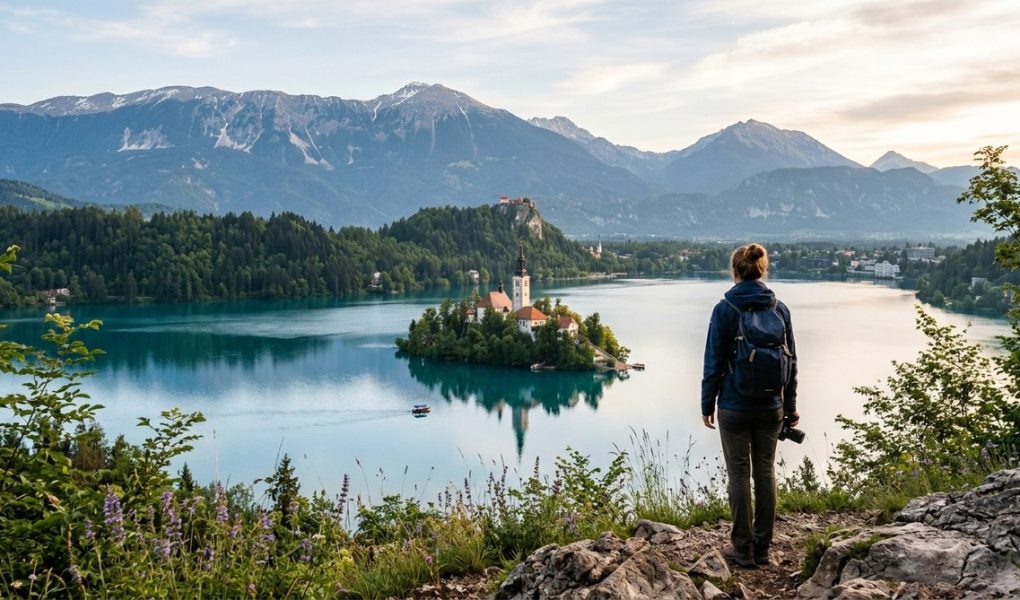
This gap isn’t about lack of attractions. Slovenia boasts a UNESCO World Heritage cave system, a glacial lake with an island church straight from a storybook, wine regions that rival Tuscany, and hiking trails that compete with Switzerland. The country simply hasn’t entered the mainstream travel conversation yet.
That creates an advantage for travelers who arrive now. You can wander Ljubljana’s old town on a Saturday afternoon without fighting crowds. You can photograph Lake Bled’s famous island church without 50 other people in your frame. You can book accommodations in peak season without mortgaging your future.
The affordability factor matters. A nice dinner in Ljubljana costs €15-25 per person. The same meal in Vienna or Milan runs €35-50. A comfortable hotel room averages €70-90 in Slovenia compared to €120-180 in comparable Austrian or Italian cities. Your budget stretches further while the experience quality remains high.
What Makes Slovenia Different From Its Neighbors
Geography dealt Slovenia an exceptional hand. The Julian Alps dominate the northwest, offering serious mountain terrain. The Karst plateau in the southwest features limestone formations and underground rivers. A small but beautiful stretch of Adriatic coastline provides beach access. Pannonian plains in the east create wine country.
This variety exists within 7,800 square miles. You can ski in the morning and swim in the Adriatic by late afternoon. That’s not theoretical. People actually do this.
The country’s size works in your favor. Driving from the capital Ljubljana to any corner of Slovenia takes under three hours. No destination requires complex logistics or lengthy transfers. You can base yourself in one or two locations and still see everything.
Cultural influences blend here in ways that create something distinct. Venetian architecture appears along the coast. Austrian baroque style dominates the north. Slavic traditions run throughout. Italian food culture crosses the border. The result feels uniquely Slovenian rather than derivative.
“Slovenia offers what travelers loved about Croatia ten years ago, Austria twenty years ago, and Switzerland thirty years ago, before mass tourism changed the experience. The window won’t stay open forever.” — Travel writer specializing in Central Europe
Five Reasons Slovenia Deserves Recognition
Natural Landscapes That Rival Famous Destinations
Triglav National Park covers 4% of Slovenia’s total area. The park contains the Julian Alps, including Mount Triglav at 9,396 feet. Hiking trails range from easy valley walks to technical alpine routes.
The Soča River cuts through the park in an otherworldly shade of turquoise. Kayakers and rafters consider it one of Europe’s most beautiful waterways. The river valley served as the WWI Italian Front, adding historical weight to natural beauty.
Lake Bled gets most of the attention, but Lake Bohinj offers similar scenery with fewer visitors. The glacial lake sits surrounded by mountains with hiking trails departing directly from the shoreline. Swimming is actually pleasant in summer, unlike many alpine lakes.
Škocjan Caves earned UNESCO status for good reason. The underground canyon reaches 600 feet deep with a river flowing through the bottom. The scale dwarfs most cave systems. Postojna Cave, while more touristy, offers an equally impressive underground experience.
Authentic Experiences Still Exist
Small family wineries in the Goriška Brda region welcome visitors without requiring advance reservations or charging tasting fees. Winemakers often pour their own wines and share stories about their vineyards. The region produces excellent whites, particularly Rebula, a local varietal.
Traditional mountain huts called “koča” dot hiking trails throughout the Alps. These aren’t luxury lodges. They’re simple refuges serving hearty food and local beer. Staying overnight means sharing tables with Slovenian families and serious hikers, not tour groups.
Farmers markets in Ljubljana operate year-round. Local producers sell everything from honey to cheese to cured meats. Prices reflect actual value rather than tourist premiums. You can assemble an incredible picnic for €10-15.
The capital city maintains a relaxed pace despite its urban status. Students lounge along the Ljubljanica River on warm afternoons. Street musicians play in old town squares. Cafes prioritize conversation over turnover. The city feels lived-in rather than performed.
Practical Advantages for Modern Travelers
Slovenia uses the euro, eliminating currency exchange hassles for travelers coming from other eurozone countries. Credit cards work everywhere except the smallest mountain huts.
English proficiency runs high, particularly among people under 50. Service industry workers, hotel staff, and tour operators typically speak excellent English. German and Italian are also widely understood.
Public transportation connects major destinations reliably. Buses run frequently between cities. Train service covers main routes, though buses often prove more convenient. Renting a car provides maximum flexibility and costs less than in Western Europe.
The country ranks as one of Europe’s safest. Violent crime barely registers. Petty theft exists in tourist areas but remains uncommon. Solo travelers and women traveling alone consistently report feeling secure.
Infrastructure meets Western European standards. Roads are well-maintained. Hiking trails are clearly marked. Tourist information is accurate and helpful. Things generally work as expected.
Planning Your Slovenia Experience
How to Structure Your Time
A week provides enough time to see major highlights without rushing. Ten days allows for a more relaxed pace with room for spontaneous detours. Two weeks lets you dig deeper into regions and enjoy slower travel.
Here’s a logical progression for a first visit:
- Start with 2-3 days in Ljubljana to acclimate and handle any jet lag
- Move to Lake Bled for 2 days, using it as a base for Vintgar Gorge and Lake Bohinj
- Spend 2 days in the Soča Valley for hiking, water sports, or simply enjoying mountain scenery
- Add 2-3 days on the coast in Piran or Izola if beach time appeals
- Consider 1-2 days in Maribor or Ptuj for wine country and eastern Slovenia
This routing minimizes backtracking while covering diverse landscapes. Each location offers enough activities to fill your days without feeling programmed.
Best Times to Visit
May, June, and September deliver ideal conditions. Weather is reliably good. Tourist numbers remain manageable. Prices haven’t reached peak season levels. Everything is open and operating.
July and August bring crowds to Lake Bled and coastal towns. Temperatures climb into the 80s and 90s. Hotels cost more and require advance booking. The mountains stay relatively peaceful even in high summer.
October offers fall colors and wine harvest season. Weather becomes less predictable but remains generally pleasant. Some mountain huts close for the season. Coastal areas quiet down significantly.
Winter works well for skiing and Ljubljana city breaks. The coast essentially shuts down. Mountain roads may require chains or winter tires. Lake Bled looks magical with snow but swimming is obviously off the table.
What to Skip and What to Prioritize
| Priority Level | Worth Your Time | Safe to Skip |
|---|---|---|
| Must See | Ljubljana old town, Lake Bled, Škocjan or Postojna Caves, Soča Valley | Predjama Castle (unless you love castles), Lipica Stud Farm |
| Great Addition | Lake Bohinj, Piran, Vintgar Gorge, Goriška Brda wine region | Maribor (unless heading to eastern Slovenia anyway) |
| If Time Allows | Logarska Valley, Ptuj, Velika Planina, Logar Valley | Multiple cave systems (pick one) |
The coastal town of Piran deserves attention. Venetian architecture, narrow streets, and Adriatic views create a miniature version of Venice without the chaos. The town stays manageable even in summer. Nearby Izola offers a less polished but more authentic fishing village experience.
Vintgar Gorge near Bled provides an easy walk through a dramatic river canyon. Wooden walkways follow the Radovna River through narrow passages. The 1.6-kilometer route takes about an hour. Arrive early or late to avoid midday crowds.
Velika Planina, a traditional herders’ settlement in the Kamnik Alps, offers something genuinely unique. Wooden huts dot a high alpine plateau. Shepherds still bring cattle here in summer. A cable car provides access, making it reachable for non-hikers.
Addressing Common Concerns
Is Slovenia Too Small to Justify a Dedicated Trip?
The size argument misses the point. Vatican City is tiny but people fly across the world to visit. Monaco covers less than one square mile. Size matters less than density of worthwhile experiences.
Slovenia packs more variety into its small footprint than many larger countries. You can experience mountain hiking, cave systems, wine regions, coastal towns, and a vibrant capital without the transit time that usually accompanies such diversity.
The compact size actually enhances the experience. You’re never far from your next destination. You can change plans easily. You won’t waste days in transit or feel rushed trying to cover vast distances.
Many travelers combine Slovenia with neighboring countries. A week in Slovenia plus a week in Croatia makes perfect sense. Adding a few days in Venice or Trieste works naturally. The country functions well as either a standalone destination or part of a regional trip.
Will Slovenia Stay Underrated?
Probably not forever. Travel media has started paying attention. More airlines are adding direct flights. Tourism numbers grow each year, though from a low baseline.
That said, Slovenia faces natural limits on mass tourism. The country simply can’t accommodate millions of additional visitors without losing what makes it special. Infrastructure can’t scale infinitely. Popular sites like Lake Bled already manage capacity issues in peak summer.
The government has signaled interest in quality over quantity when it comes to tourism development. Whether that philosophy survives economic pressures remains to be seen. For now, the approach favors travelers seeking authentic experiences over those wanting all-inclusive resorts and packaged tours.
Visiting sooner rather than later makes sense if you want to experience Slovenia before it reaches Croatia’s tourism saturation. The country is already “discovered” among European travelers. Americans and Asians remain relatively rare outside Ljubljana and Lake Bled.
How Slovenia Compares to Other Hidden Gems
Travelers seeking underrated European cities that rival Paris and Rome often overlook entire countries in favor of urban destinations. Slovenia offers both underrated cities and dramatic natural landscapes.
The comparison to the Faroe Islands is interesting. Both destinations offer dramatic scenery, manageable size, and relatively light tourism. The Faroe Islands lean heavily into raw nature and isolation. Slovenia provides more variety with mountains, caves, coast, and wine country. If you enjoyed why the Faroe Islands should be your next Nordic adventure, Slovenia’s alpine regions will appeal to similar sensibilities.
For hikers specifically, Slovenia belongs in any conversation about European trekking destinations. The Julian Alps offer multi-day hiking trails that rival more famous routes in Switzerland or Austria at a fraction of the cost and crowds.
Budget considerations matter for most travelers. Slovenia delivers better value than almost any Western European country while maintaining comparable quality. Learning to build a travel budget that actually works becomes easier when your daily costs run 30-40% lower than neighboring countries.
The Food Situation Deserves Mention
Slovenian cuisine doesn’t get much international attention. That’s a shame because the food culture here is excellent.
Italian influence dominates the coast and western regions. Pizza and pasta reach quality levels that would satisfy Italian standards. Seafood along the coast comes fresh and well-prepared. Prices remain reasonable compared to Italian coastal towns.
Austrian and Hungarian influences appear in the north and east. Schnitzel, strudel, and goulash show up on many menus. These dishes are executed well, not just included for tourists.
Traditional Slovenian dishes deserve trying. Štruklji (rolled dumplings) come in sweet and savory versions. Kranjska klobasa (Carniolan sausage) appears everywhere and tastes better than it sounds. Potica (nut roll) makes an excellent dessert or breakfast pastry.
The wine scene surprises people. Slovenia produces excellent whites, particularly from the Primorska region. Orange wines (white wines fermented with grape skins) originated in this area. Local varieties like Rebula, Malvazija, and Teran offer something different from international grapes.
Finding authentic food experiences in Slovenia requires less effort than in heavily touristed destinations. Even restaurants near major attractions typically serve locals alongside tourists, maintaining quality and reasonable prices.
Making the Most of Limited Time
If you only have a long weekend, focus on Ljubljana and Lake Bled. This combination provides a taste of both urban culture and natural beauty. You can manage both destinations comfortably in three or four days.
For travelers planning weekend escapes that feel like week-long vacations, Slovenia’s compact nature works perfectly. The lack of long transit times means more actual vacation time and less travel logistics.
A week allows for proper coverage of major highlights. You can include Ljubljana, Lake Bled, the Soča Valley, and either the coast or wine country. This timeframe provides enough variety to appreciate Slovenia’s diversity without constant rushing.
Ten days or more lets you slow down and add secondary destinations. You might include Velika Planina, Logarska Valley, or more time in wine regions. You can take rest days or pursue specific interests like serious hiking or extensive wine tasting.
Why Slovenia Works for Different Travel Styles
Adventure travelers find endless options. Hiking, climbing, kayaking, canyoning, skiing, and mountain biking all have established infrastructure. Guides and rental equipment are readily available and reasonably priced.
Cultural travelers appreciate the museums, galleries, and architecture in Ljubljana. The Slovenian Philharmonic ranks among Europe’s oldest. Festivals run throughout summer. The city maintains an active cultural calendar despite its modest size.
Food and wine enthusiasts can build entire trips around culinary experiences. Wine regions welcome visitors. Ljubljana’s restaurant scene punches above its weight. Cooking classes and food tours operate in major destinations.
Budget travelers benefit from hostels, affordable local transportation, and reasonable meal costs. Wild camping is permitted in some areas. Free walking tours operate in Ljubljana. Many natural attractions require no entrance fees.
Luxury travelers find boutique hotels, private guides, and high-end restaurants in major destinations. The luxury infrastructure doesn’t match Paris or London, but quality options exist for travelers who prefer comfort.
Families discover that Slovenia accommodates children well. Hiking trails include easy options. Lakes provide swimming. Caves fascinate kids. Distances between destinations prevent long, difficult car rides. Safety concerns are minimal.
The Language Advantage You Didn’t Expect
Learning basic phrases enhances any trip, but Slovenia’s high English proficiency means you won’t struggle with communication. That removes a barrier that stops some travelers from visiting less mainstream destinations.
Slovenian itself is a South Slavic language that sounds nothing like the Romance or Germanic languages most travelers know. A few basic phrases show respect and effort:
- Hvala (HVAH-lah) — Thank you
- Prosim (PROH-seem) — Please / You’re welcome
- Dober dan (DOH-ber dahn) — Good day
- Na zdravje (nah ZDRAH-vee-yeh) — Cheers
Beyond pleasantries, you’ll manage fine with English. Menus often include English translations. Signs at tourist sites appear in multiple languages. Younger Slovenians typically speak English fluently.
This accessibility matters for travelers who want to visit less mainstream destinations but worry about language barriers. Slovenia offers the “off the beaten path” experience without the communication challenges that sometimes accompany such destinations.
What Slovenia Gets Right That Others Don’t
Environmental consciousness runs deep here. Slovenia takes sustainability seriously, not just as marketing. Over 60% of the country is forested. National parks protect significant areas. Ljubljana earned the European Green Capital award in 2016.
This environmental focus creates tangible benefits for visitors. Rivers and lakes maintain exceptional water quality. Air quality remains excellent even in cities. Hiking trails are well-maintained and clearly marked. The countryside looks cared for rather than exploited.
Tourism development has remained relatively restrained. You won’t find massive resort complexes or overdeveloped coastlines. Development exists but hasn’t overwhelmed natural beauty or local character. This balance is rare in Europe.
The country hasn’t sacrificed authenticity for tourist convenience. Yes, you can find tourist menus and souvenir shops in major destinations. But local life continues alongside tourism rather than being displaced by it. Slovenians still use their own capital city, still visit their own lakes and mountains, still populate their own restaurants and cafes.
This integration creates a more genuine experience. You’re visiting a place that exists for its residents, not a theme park designed for tourists. That distinction matters for travelers seeking authentic experiences.
Why the Answer Is Yes
Is Slovenia underrated? Absolutely. The country delivers experiences that rival Europe’s most celebrated destinations at lower costs, with fewer crowds, and with greater authenticity.
The question isn’t whether Slovenia deserves more recognition. It clearly does. The question is whether you’ll visit before everyone else figures this out.
The window for experiencing Slovenia before it becomes mainstream is closing but hasn’t shut yet. You can still photograph Lake Bled without crowds, still find quiet hiking trails in the Julian Alps, still enjoy Ljubljana’s relaxed cafe culture, still discover family wineries that welcome drop-in visitors.
Slovenia offers what travelers claim to want: beautiful landscapes, rich culture, authentic experiences, good value, and manageable logistics. The country checks every box while avoiding the downsides that plague more popular destinations.
For travelers who pride themselves on finding hidden gems before they hit the mainstream, Slovenia represents an obvious choice. The only real question is why you haven’t booked your flight yet.
Your Slovenia Journey Starts With Research, Not Luck
The best part about Slovenia being underrated is that you still have time to plan properly. You won’t need to book accommodations a year in advance. You won’t face sold-out attractions or impossible restaurant reservations.
Start by identifying what matters most to you. Mountains or coast? Cities or nature? Food and wine or outdoor adventure? Slovenia accommodates all preferences, but knowing yours helps structure your itinerary.
Build your trip around 2-3 base locations rather than moving every day. The country is small, but constant packing and hotel changes waste time and energy. Staying put lets you settle in and experience places more deeply.
Allow for spontaneity. Some of the best experiences come from recommendations you receive along the way. A local might suggest a hiking trail or restaurant that doesn’t appear in guidebooks. Having flexibility in your schedule lets you act on these tips.
The truth is simple. Slovenia is underrated now, but that won’t last forever. Smart travelers recognize opportunity when it appears. This is one of those moments.