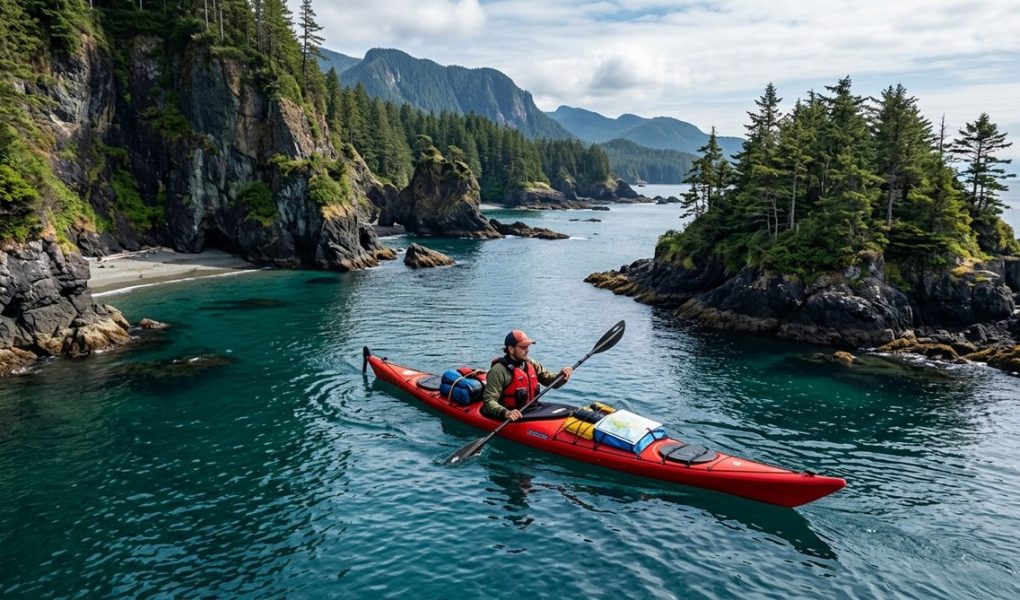
You’ve paddled calm bays and handled afternoon chop. You’ve learned to brace and self-rescue in controlled conditions. Now the idea of a multi-day coastal kayaking expedition pulls at you like a tide you can’t ignore. The thought of waking up on a remote beach, paddling past cliffs no road can reach, and navigating by chart and compass feels like the natural next step. But the gap between day trips and true expeditions is wider than it looks on a map.
Planning your first kayaking expedition requires careful route selection based on your skills, detailed weather research, proper safety systems including communication devices, and thorough gear testing before departure. Start with shorter coastal routes that offer regular bailout points, build your navigation skills through practice sessions, and always file a float plan with someone onshore who knows your intended route and timeline.
Choose Your Route With Honest Self-Assessment
The hardest part of planning your first expedition is resisting routes that look amazing but exceed your current abilities. Coastal kayaking demands respect. Conditions change fast, and being ten miles from the nearest road changes everything about risk management.
Start by identifying coastlines with these characteristics:
- Multiple landing beaches spaced two to four miles apart
- Sheltered camping options above high tide lines
- Minimal shipping traffic or designated paddling lanes
- Access to weather stations with reliable coastal forecasts
- Established paddling routes with published guidebooks or charts
Consider the ultimate guide to multi-day hiking trails approach to building endurance. Your first expedition should be three to five days maximum. This timeframe lets you test your systems without committing to a week-long journey where mistakes compound.
Look for routes that allow flexibility. The best first expeditions have optional shorter days and alternate landings if weather turns. A rigid 15-mile daily schedule sounds impressive until you’re paddling into a headwind with building seas.
Master Navigation Before You Need It
GPS devices fail. Phones get wet despite the best cases. Navigation by chart and compass isn’t romantic nostalgia. It’s your backup system when electronics quit.
Spend time before your trip practicing these core skills:
- Plot a bearing from your launch point to your first campsite using a marine chart and compass
- Calculate distance and estimated paddle time accounting for your loaded boat speed
- Identify three distinct landmarks you can use to confirm position throughout the day
- Practice taking bearings from the water while your kayak moves with waves
- Learn to read tide tables and current predictions for your specific route
“I’ve watched experienced paddlers get disoriented in fog less than a mile from shore because they relied entirely on their phone’s GPS. When the battery died, they had no idea which direction land was. Basic compass skills would have prevented two hours of anxious paddling in circles.” – Coastal kayaking instructor with 20 years guiding experience
Your chart should live in a waterproof case attached to your deck. Mark your planned campsites, bailout beaches, and any hazards like tide races or shipping channels. Include notes about tidal windows for tight passages.
Navigation errors that feel minor on day one become serious problems by day three when fatigue sets in. Practice until plotting a course feels automatic.
Build a Layered Safety System
Solo expedition kayaking is for experts only. Your first trip should include at least one other paddler, ideally someone with expedition experience. But even in a group, each kayaker needs personal safety systems that work independently.
| Safety Component | Why It Matters | Common Mistake to Avoid |
|---|---|---|
| VHF Marine Radio | Direct contact with coast guard and nearby vessels | Assuming cell service will work offshore |
| Personal Locator Beacon | Satellite distress signal when all else fails | Not registering the device before departure |
| Tow System | Assist tired or injured paddlers | Buying cheap rope that tangles or snaps |
| Flares and Signal Mirror | Visual distress signals for rescue situations | Storing flares where they get wet and unusable |
| First Aid Kit | Treat injuries far from medical help | Packing supplies you don’t know how to use |
File a float plan with someone reliable on shore. This document should include your launch time, planned route with daily campsites, expected return date, and emergency contacts. Give them specific instructions about when to call authorities if you don’t check in.
Test your communication devices before leaving cell range. Know how to operate your VHF radio on emergency channels. Understand when to activate a personal locator beacon versus trying other options first.
The ultimate guide to travel insurance principles apply here too. You need coverage that specifically includes sea kayaking and potential rescue costs. Standard policies often exclude paddlesports in remote areas.
Pack Smart and Test Everything Twice
Your kayak has limited cargo space. Every item needs to justify its weight and volume. The difference between a well-planned expedition and a miserable slog often comes down to packing decisions made weeks before launch.
Start with these non-negotiable categories:
- Shelter and Sleep System – Four-season tent, sleeping bag rated 10 degrees below expected lows, insulated sleeping pad
- Clothing Layers – Synthetic or wool base layers, insulation layer, waterproof outer layer, spare set of dry clothes in waterproof bag
- Cooking and Water – Stove with extra fuel, pot, utensils, water filter or purification tablets, collapsible water containers
- Food – Calorie-dense meals requiring minimal cooking, emergency rations for two extra days
- Navigation and Safety – Charts, compass, GPS, VHF radio, personal locator beacon, first aid kit, repair supplies
- Personal Items – Sunscreen, sunglasses with retainer, hat, headlamp, toiletries, medications
Pack everything in dry bags rated for marine use. Cheap bags leak. Organize by color or label clearly so you can find items without unpacking your entire boat.
Do a full gear shakedown paddle two weeks before your expedition. Load your kayak exactly as you plan for the trip. Paddle for three hours in varied conditions. You’ll discover issues with weight distribution, items packed where you can’t reach them, and gear that seemed essential at home but adds nothing on the water.
Make adjustments and do a second test paddle. This seems excessive until you’re three days into an expedition and realize your tent poles are at the bottom of a hatch you can’t access without unloading everything.
Study Weather Patterns Like Your Safety Depends on Them
Because it does. Coastal weather changes faster than inland conditions. What starts as a beautiful morning can turn into dangerous seas by afternoon. Learning to read forecasts and recognize changing conditions separates successful expeditions from rescue situations.
Start your weather education three months before your trip. Study historical weather data for your route during your planned travel dates. Look for patterns in wind direction, typical sea states, and frequency of storms.
Identify multiple weather information sources:
- Marine forecasts from NOAA or equivalent national weather service
- Wind and wave predictions from offshore buoys
- Satellite imagery showing developing weather systems
- Local knowledge from paddling clubs or guide services in the area
The morning of each paddle day, check updated forecasts before leaving camp. Coastal conditions can change overnight. A forecast that looked perfect yesterday might show building winds today.
Learn to recognize these warning signs while on the water:
- Sudden wind shifts or increasing wind speed
- Changes in wave period or height
- Darkening clouds or visible rain curtains
- Dropping temperature or rising humidity
- Confused sea state with waves from multiple directions
Have a clear threshold for when you stop paddling and find shelter. For most first expeditions, sustained winds above 15 knots or seas above three feet should trigger an early stop. You can always paddle more later. You can’t undo capsizing in rough water far from shore.
Similar to planning weekend escapes that feel like week-long vacations, building in buffer time for weather delays makes your expedition more enjoyable and safer.
Develop Your Rescue Skills Until They’re Automatic
The time to learn rescue techniques is not when you’re in the water watching your kayak float away. These skills need to be so practiced that you can execute them in cold water, rough seas, and high stress situations.
Take a formal sea kayaking rescue course before your expedition. Skills you should be able to perform without thinking include:
- Self-rescue using paddle float and re-entry technique
- Assisted rescue helping another paddler back into their boat
- T-rescue for quickly emptying a swamped kayak
- Towing a tired or injured paddler
- Raft-up position for stability in rough conditions
Practice these rescues in conditions similar to what you’ll face on your expedition. If you’re paddling cold water, practice in cold water wearing your actual expedition gear. Discover now that your drysuit restricts movement or your paddle float leaks.
Time yourself. A self-rescue that takes three minutes in calm water might take eight minutes in choppy seas when you’re tired. Know your realistic capabilities, not your best-case scenario.
Build strength and flexibility for bracing. Strong core muscles and flexible hips let you handle rough water without capsizing in the first place. The best rescue is the one you never need because you stayed upright.
Plan Your Campsites With Tides and Wildlife in Mind
Finding a legal, safe campsite after a long day of paddling shouldn’t be left to chance. Research and mark potential sites on your charts before you launch. Know the regulations for where you’re paddling. Some coastal areas require permits. Others prohibit camping entirely.
Your ideal campsite offers:
- Landing beach protected from prevailing winds and swell
- Flat ground above the high tide line for your tent
- Fresh water source or space to store water you carried
- Natural shelter from wind using dunes, vegetation, or rock formations
- Clear escape route if weather deteriorates overnight
Study tide tables for each potential campsite. A beach that looks perfect at low tide might be underwater at high tide six hours later. Mark high tide lines on your chart and plan accordingly.
Respect wildlife and Leave No Trace principles. Coastal areas often host nesting seabirds, seal haul-outs, or other sensitive habitats. Camp at least 200 feet from wildlife. Store food in bear-proof containers or hang it properly where bears are present.
The approach to finding unmarked beaches that locals keep to themselves works here too. Talk to local paddlers about lesser-known campsites that don’t appear in guidebooks. They often know protected spots that offer better shelter than popular beaches.
Create a Realistic Daily Schedule
Ambitious mileage goals ruin more first expeditions than bad weather. You’re not trying to set speed records. You’re building experience and confidence for future trips.
Calculate your daily distance based on these factors:
- Your loaded boat speed in calm conditions (usually 2.5 to 3.5 mph for most paddlers)
- Tidal currents that help or hinder progress
- Wind forecasts and likely sea state
- Time needed for breaks, lunch, and navigation checks
- Daylight hours with buffer for early stops
A realistic first day covers eight to twelve miles. This gives you time to adjust to your loaded boat, test your systems, and reach camp with energy left for setting up.
Build rest days into longer expeditions. After three days of paddling, take a day to stay put. Repair gear, dry wet items, practice skills, and let your body recover. These rest days often become the most memorable parts of the trip.
Track your actual progress against planned mileage. If you’re consistently falling short, adjust future days rather than pushing harder and risking exhaustion or injury. Flexibility matters more than rigid adherence to a plan made months ago.
Your First Expedition Sets the Foundation
The planning process for your first coastal kayaking expedition teaches you as much as the trip itself. Each decision about route selection, gear choices, and safety systems builds your judgment for future adventures. You’ll make mistakes. Everyone does. The goal is making small, manageable mistakes now that prepare you for bigger expeditions later.
Start conservative. Choose a well-traveled route with good infrastructure and bailout options. As your skills and confidence grow, you can tackle more remote coastlines and challenging conditions. But that first trip where everything goes mostly according to plan creates the foundation for a lifetime of coastal exploration. Take your time with the planning. Test your systems. Build your skills. The wild coastlines will still be there when you’re ready.