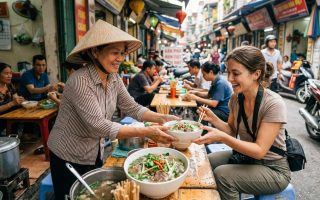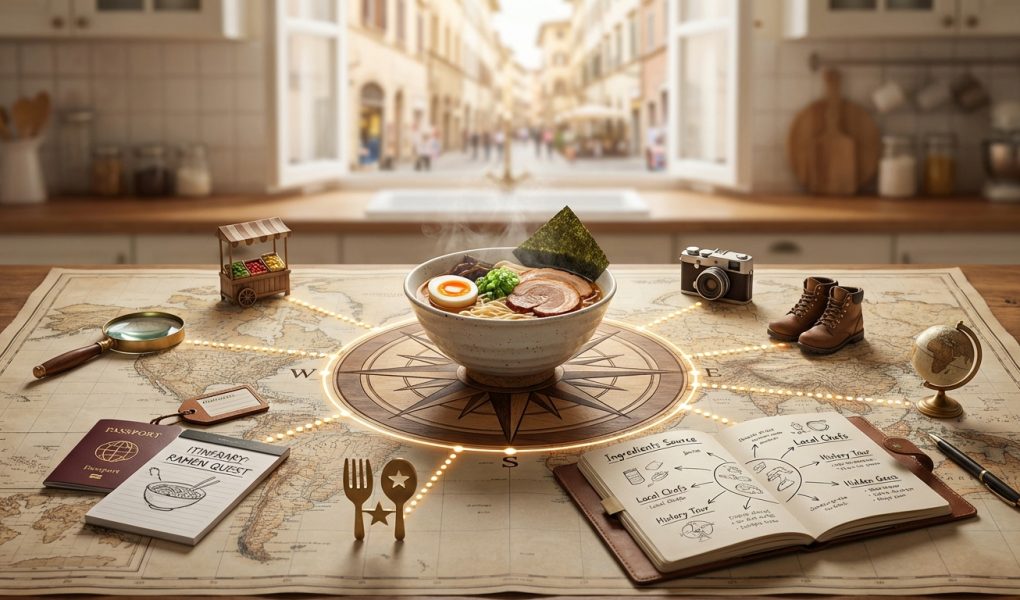
Imagine flying halfway around the world just to taste one perfect bowl of ramen. Or booking a weekend getaway to a coastal village because you heard their fish tacos changed someone’s life. This isn’t excessive. It’s intentional travel at its finest. When you build a trip around a single dish, you’re not just eating. You’re connecting with culture, history, and the people who’ve perfected that recipe over generations.
Planning a food trip starts with choosing one signature dish and researching its origin. Build your itinerary around authentic venues, seasonal ingredients, and local dining rhythms. Budget for multiple tastings, book accommodations near food hubs, and leave flexibility for spontaneous recommendations. Success comes from balancing planned reservations with room for serendipity, ensuring you experience the dish in its truest form while immersing yourself in the destination’s culinary culture.
Choose Your Culinary North Star
The first step is picking your dish. Not just any dish, but one that genuinely excites you.
Think about flavors that haunt your memory. Maybe it’s the perfect croissant, hand-pulled noodles, or slow-roasted barbecue. Your choice should spark enough curiosity that you’d happily eat it three days in a row.
Research where that dish originated. Authentic versions live in specific regions for good reasons. Climate, local ingredients, and centuries of technique all matter. A Neapolitan pizza in Naples tastes different than anywhere else because of the water, the tomatoes, and the wood-fired ovens that dot the city.
Look for destinations where the dish isn’t just served but celebrated. Check if there are food festivals, markets, or family-run establishments with decades of history. These details tell you the dish is woven into daily life, not just tourist menus.
Map Out the Authentic Sources
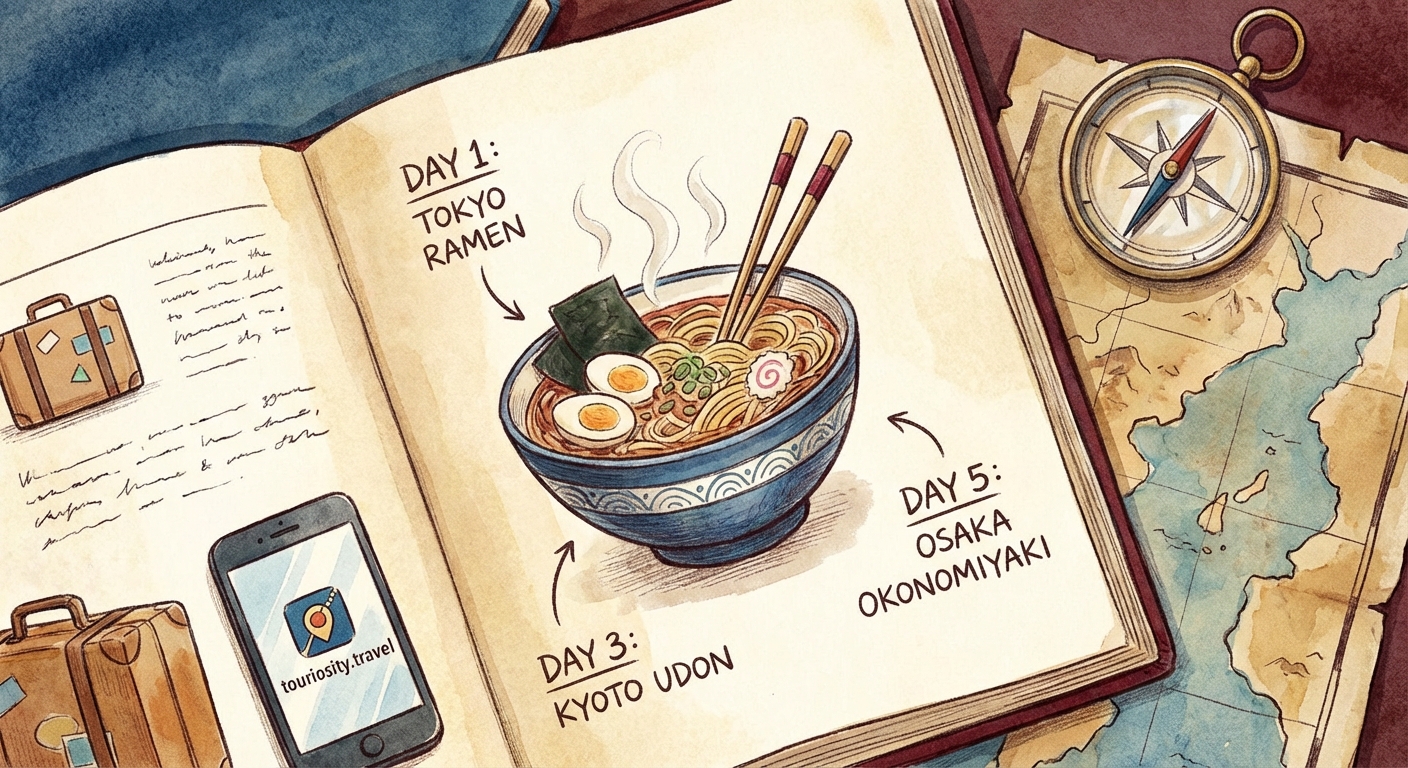
Once you’ve chosen your dish and destination, it’s time to find where locals actually eat it.
Start with food blogs written by residents, not travel influencers passing through. Local writers know which grandmother makes the best dumplings and which corner stall has lines at 6 AM for a reason. Where locals actually eat offers strategies for finding these hidden spots in busy destinations.
Join regional food forums and social media groups. Ask specific questions. Don’t say “where’s the best pasta?” Instead, ask “which trattoria do Romans visit for cacio e pepe on Sunday afternoons?” Specificity gets you real answers.
Create a shortlist of 8 to 12 venues. Include:
- Historic establishments that invented or popularized the dish
- Market stalls where locals grab breakfast or lunch
- Mid-range restaurants known for perfecting traditional recipes
- One splurge-worthy fine dining spot that elevates the classic
- Street vendors recommended by multiple sources
Document addresses, operating hours, and any reservation requirements. Some places only serve lunch. Others close on random weekdays. Knowing this prevents disappointment.
Time Your Trip Around Ingredients
Seasonality transforms dishes. Tomatoes in August taste nothing like tomatoes in February. Seafood varies by migration patterns and fishing seasons.
Research when your chosen dish reaches peak flavor. If you’re chasing white truffles in Italy, you need to visit between October and December. Planning a trip around Maine lobster? Summer through early fall delivers the sweetest meat.
Contact restaurants directly if you’re unsure. A two-sentence email asking about seasonal availability shows respect and often gets helpful responses. Chefs appreciate diners who care about timing.
Consider local festivals tied to your dish. These events concentrate the best vendors, cooking demonstrations, and enthusiastic crowds in one place. You’ll taste multiple interpretations and meet the people behind the recipes.
Build Your Itinerary With Eating Rhythms in Mind
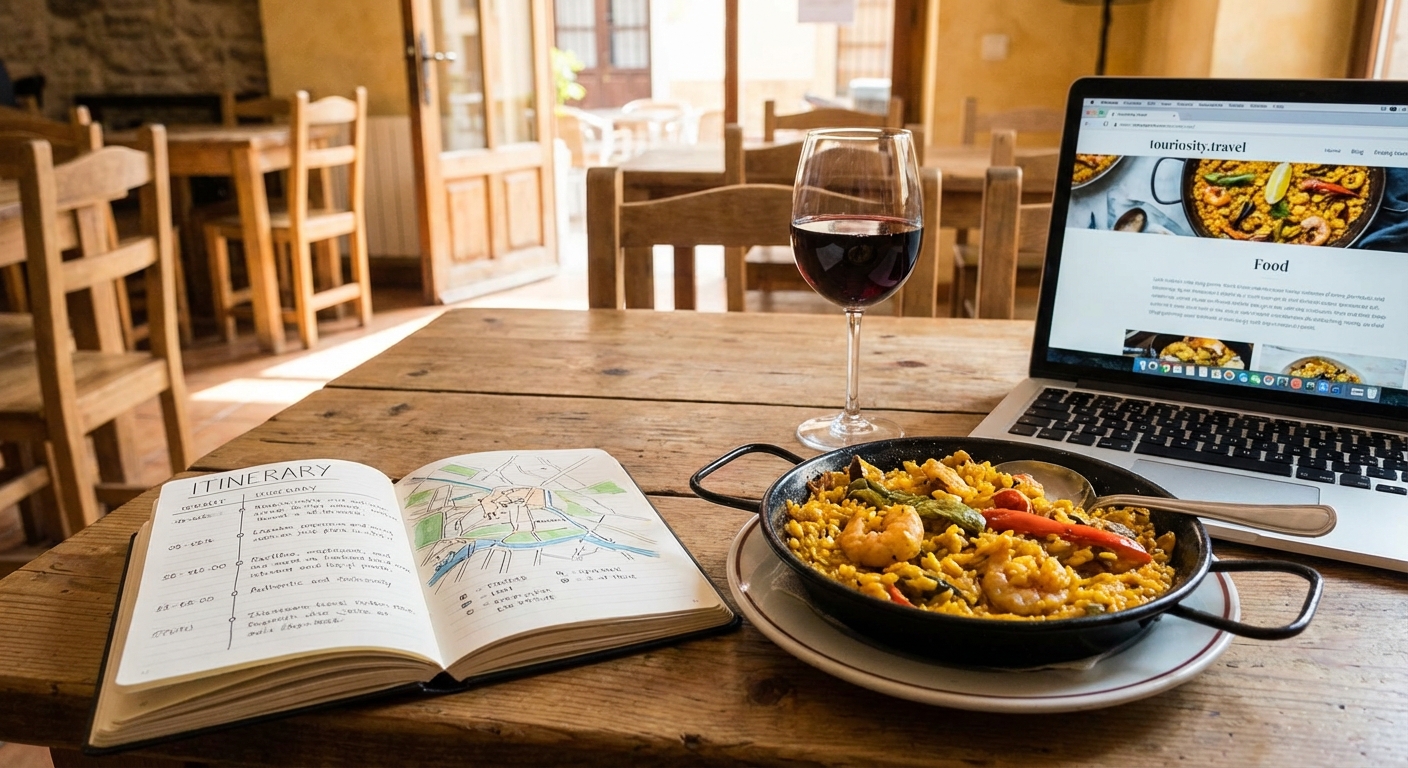
Food trips fail when you try to cram too much into each day. Your stomach has limits.
Plan one major food experience per day. That might be a multi-course lunch, a street food crawl, or a cooking class. Everything else should be lighter.
Space your meals according to local customs. In Spain, lunch happens between 2 and 4 PM. Showing up at noon means eating alone in an empty restaurant. In Japan, ramen shops peak around midnight after bars close. Timing matters for atmosphere and authenticity.
Here’s a sample daily structure:
- Light breakfast at your accommodation or a nearby café
- Morning activity (market visit, museum, walk through the neighborhood)
- Main culinary experience (the dish you came for, prepared by masters)
- Afternoon rest or gentle exploration
- Evening snack or light meal at a different venue
- Optional late-night bite if local culture supports it
Leave gaps between meals. You need time to digest, reflect, and build appetite again. Rushing from one restaurant to another dulls your palate and your enjoyment.
Budget Beyond the Plate
Food trips cost more than regular vacations. You’re prioritizing meals over other expenses, but you still need to account for everything.
| Expense Category | Budget Consideration | Pro Tip |
|---|---|---|
| Meals | Allocate 40-50% of daily budget | Mix high-end and street food |
| Accommodation | Choose locations near food hubs | Save on transport, walk to meals |
| Transportation | Budget for taxis after big meals | Walking after eating aids digestion |
| Cooking Classes | $75-$200 per session | Book directly, skip tour companies |
| Market Ingredients | Small budget for tastings | Cash works better at stalls |
| Emergency Fund | 20% buffer | Spontaneous recommendations happen |
Expect to spend $100 to $300 per day depending on your destination and dining choices. Street food in Bangkok costs less than trattorias in Rome, but both deliver authentic experiences.
Building a travel budget that accommodates food-focused priorities requires different calculations than standard trip planning.
Book Strategically
Some restaurants require reservations weeks in advance. Others operate first-come, first-served. Know which is which.
For high-demand spots, book as soon as reservations open. Set calendar reminders. Popular places in food-obsessed cities fill up the day booking windows open.
For casual venues, arrive early or late to avoid peak crowds. The best street tacos often sell out by 1 PM. The legendary ramen shop might have a two-hour wait at 7 PM but no line at 5 PM.
Consider staying in neighborhoods where your target dish thrives. If you’re chasing the perfect baguette in Paris, book an apartment in the Marais or Saint-Germain where bakeries line every block. Proximity lets you try multiple versions without exhausting yourself.
“The best food trips happen when you balance planning with spontaneity. Reserve the must-visit spots, but leave half your meals unplanned. That’s when a shopkeeper’s recommendation leads you to a fourth-generation noodle maker in a back alley, and you taste something that changes how you think about food.” – Culinary travel veteran with 15 years exploring regional cuisines
Prepare Your Palate and Your Stomach
Traveling for food means eating outside your normal patterns. Your body needs preparation.
Start adjusting meal times two weeks before departure if you’re crossing time zones. Gradually shift breakfast, lunch, and dinner to match your destination’s schedule. This helps your digestion adapt.
If your chosen dish involves ingredients you rarely eat, introduce them at home first. Planning a trip around fermented foods? Start incorporating kimchi, miso, or sauerkraut into weekly meals. Your gut microbiome needs time to adjust.
Pack digestive aids appropriate for your needs. Different cuisines stress different systems. Spicy food, rich sauces, or unfamiliar proteins can cause discomfort if you’re unprepared.
Street food safety becomes especially important when you’re eating multiple meals daily from varied sources.
Document Thoughtfully
You’ll want to remember these meals, but don’t let documentation ruin the experience.
Take one photo of each dish when it arrives. Then put your phone away and eat while the food is at proper temperature. Cold pasta or room-temperature soup never tastes as intended.
Keep a small notebook for jotting down:
- Restaurant names and addresses
- Standout flavors or techniques
- Names of helpful staff or chefs
- Recommendations they gave you
- Your honest reaction while it’s fresh
These notes become invaluable when you’re home and want to recreate dishes or recommend the trip to friends. Memory fades, but written details last.
If you’re interested in cooking, ask questions. Most chefs appreciate genuine curiosity about their craft. “What makes your sauce different?” opens better conversations than “what’s in this?”
Handle the Inevitable Disappointments
Not every meal will be transcendent. Some will be mediocre. A few might be bad.
When a hyped restaurant disappoints, don’t let it derail your trip. Tastes vary. What one person calls the best tacos in Mexico City might not match your preferences. That’s normal.
If something tastes off or makes you uncomfortable, stop eating. Don’t force yourself to finish out of politeness or because you paid. Food safety matters more than avoiding waste.
Have backup options ready. If your planned lunch spot is closed or terrible, you should know two alternatives within walking distance. Flexibility prevents hunger-driven poor decisions.
Common Mistakes and How to Avoid Them
| Mistake | Why It Happens | Solution |
|---|---|---|
| Over-scheduling meals | Excitement leads to booking too many | Limit to one major meal daily |
| Ignoring rest time | Treating food like sightseeing | Schedule digestion breaks |
| Only visiting famous spots | Following tourist lists | Mix renowned and local-only venues |
| Eating the same dish repeatedly | Wanting to compare versions | Vary between the main dish and supporting cuisine |
| Skipping context | Just eating, not learning | Visit markets, talk to vendors, take one cooking class |
| Rigid planning | Fearing spontaneity | Leave 40% of meals unbooked |
The biggest mistake is treating your food trip like a checklist. You’re not trying to “complete” a city’s food scene. You’re building a relationship with a dish and the culture that created it.
Connect With the People Behind the Food
The best food stories involve the humans making it.
Learn basic phrases in the local language. “This is delicious,” “thank you,” and “what do you recommend?” open doors everywhere. Learning basic phrases shows respect and often leads to better service and insider tips.
Visit during slower hours when staff can chat. A Tuesday afternoon conversation with a chef reveals more than a Saturday night rush allows.
Ask about the dish’s history. Most people love sharing stories about recipes passed through families or techniques that took years to master. These conversations add layers of meaning to every bite.
Tip appropriately for the culture. In some places, tipping is expected and generous tips get you remembered. In others, it’s unnecessary or even offensive. Research local customs.
Extend the Experience Beyond Restaurants
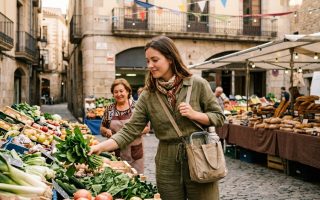
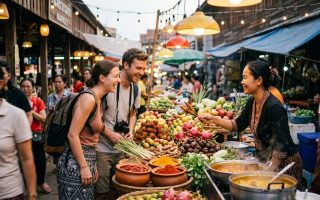
Markets tell you what locals actually cook at home. Spend a morning wandering stalls, tasting samples, and watching shoppers select ingredients.
Take one cooking class focused on your chosen dish. Hands-on experience teaches you what to look for in great versions. You’ll notice details you’d otherwise miss.
Visit producers when possible. The farm growing the tomatoes, the mill grinding the corn, the boat catching the fish. Seeing ingredients at their source deepens your appreciation.
Bring the Trip Home
Your food journey shouldn’t end at the airport.
Buy ingredients that travel well. Spices, dried goods, and shelf-stable sauces let you recreate flavors at home. Check customs regulations before packing food items.
Collect recipes from chefs and home cooks. Most people happily share if you ask respectfully. These become treasured souvenirs.
Find local sources for key ingredients once you’re home. Specialty shops, ethnic markets, and online retailers often stock what you need. The dish might not taste identical, but the attempt keeps the memory alive.
Share your experience. Cook for friends. Tell the stories behind each element. Food trips create connections that multiply when shared.
When Food Becomes the Journey
Planning a trip around a single dish flips traditional travel on its head. Instead of seeing sights and grabbing meals in between, you’re letting food guide every decision.
This approach slows you down in the best way. You stay in one place long enough to understand it. You return to the same market three mornings in a row and the vendor starts recognizing you. You notice how the baker’s hands move, how the grandmother shapes dumplings, how the grill master knows when the meat is ready without checking.
These moments don’t happen when you’re rushing between landmarks. They require presence, patience, and genuine interest in the craft of cooking.
Your trip might inspire others or it might remain a personal pilgrimage. Either way, you’ll return home changed. Not just by the flavors, but by the people you met and the care you witnessed. That single dish becomes a gateway to understanding an entire culture’s values, history, and daily rhythms.
Start planning your food trip by choosing one dish that makes you genuinely curious. Research where it lives in its truest form. Build your itinerary around tasting it from multiple makers. Leave room for surprises. And remember that the best meals often happen in the least expected places, recommended by someone you met just hours before.