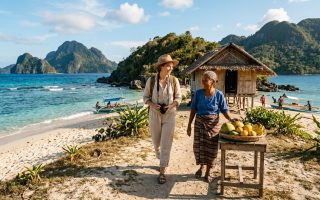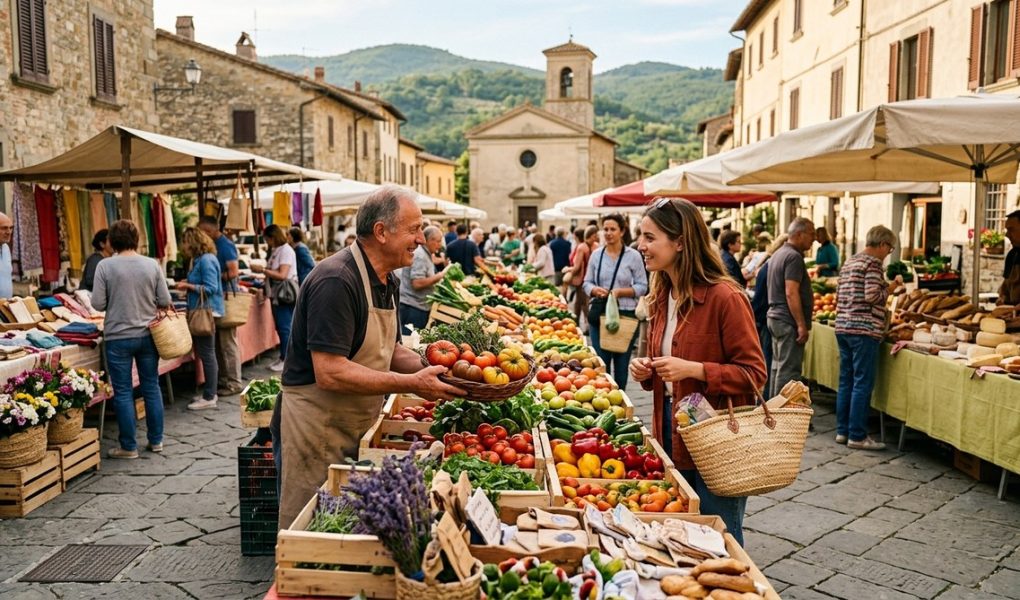
The best conversations I’ve had while traveling never happened in museums or on guided tours. They happened in small town markets, haggling over handwoven baskets with a grandmother who’s been selling them for forty years, or sharing coffee with a spice merchant who insisted on teaching me the difference between good saffron and tourist grade powder.
These markets pulse with real life. Kids run between stalls after school. Neighbors catch up over produce stands. Artisans demonstrate techniques passed down through generations. You won’t find velvet ropes or audio guides here, just the unfiltered rhythm of daily life in communities that still gather, trade, and connect the old fashioned way.
Small town markets offer cultural immersion that city attractions can’t match. From Thailand’s [floating markets](https://en.wikipedia.org/wiki/Floating_market) to Morocco’s [weekly souks](https://en.wikipedia.org/wiki/Souq), these gathering places reveal authentic traditions, connect you with local artisans, and create memorable interactions. Arrive early, bring small bills, learn basic phrases, and respect photography boundaries. The best markets operate on traditional schedules, often weekly or monthly, requiring intentional planning but delivering unmatched authenticity.
Why Small Town Markets Beat Tourist Attractions Every Time
City tours follow scripts. Markets write their own stories every single day.
The vendors know each other’s families. They’ve watched each other’s children grow up. When you buy from them, you’re not just another transaction. You’re stepping into a social fabric that’s been woven over decades.
Tourist attractions optimize for volume. Markets optimize for community.
You’ll see the same grandmother selling the same vegetables in the same spot every Tuesday morning. Her daughter might run the neighboring stall now. Their regular customers don’t just buy produce. They share news, ask about health concerns, and maintain relationships that predate smartphones.
This continuity creates something precious for travelers. You’re witnessing systems that work because people need them to work, not because they’re staged for visitors.
Finding Markets That Haven’t Been Discovered Yet
The markets worth visiting rarely appear in mainstream guidebooks.
Start by asking accommodation hosts where they actually shop. Not where tourists should go, but where they personally buy their vegetables, meat, and household goods. That question alone will steer you away from sanitized market halls designed for Instagram.
Look for markets that operate on traditional schedules. Weekly markets in rural France. Monthly livestock markets in Peru. These timing constraints mean communities actually depend on them. If a market happens every single day, it’s probably serving tourists more than locals.
Check local Facebook groups and community forums. Residents complain about parking during market days, debate vendor quality, and share which stalls have the best prices. This chatter reveals which markets matter to actual communities.
Transportation patterns tell you plenty too. If getting there requires two bus transfers and asking for directions three times, you’re probably on the right track. The markets serving local communities aren’t always convenient for visitors, and that inconvenience acts as a natural filter.
Seven Small Town Markets That Changed How I Travel
Takayama Morning Markets, Japan
Two morning markets run daily in this mountain town, but they feel nothing like Tokyo’s tourist traps.
Vendors sell pickles they made themselves. Farmers bring vegetables harvested that morning. Craftspeople demonstrate wood carving techniques specific to this region’s forests.
The Miyagawa Market stretches along the river from 6 AM. Get there by 7 AM before tour buses arrive. An elderly woman sells mitarashi dango (grilled rice dumplings) that she’s been making for thirty years. She’ll explain the difference between her recipe and what you’ll find in cities, and why mountain water matters.
Winter transforms everything. Snow covers the stalls. Vendors serve amazake (sweet fermented rice drink) to keep warm. The tourists disappear, leaving just locals doing their regular shopping.
If you’re interested in how to explore Japan beyond Tokyo and Kyoto, this market demonstrates exactly why smaller cities reward deeper exploration.
Pisac Market, Peru
Sunday brings the entire Sacred Valley to this Andean town.
Quechua families walk for hours to sell potatoes you’ve never seen before. There are purple ones, yellow ones, and varieties that only grow above 12,000 feet. Each type has specific cooking uses that vendors will explain if you show genuine interest.
The textile section operates like an outdoor classroom. Weavers work on traditional backstrap looms right at their stalls. They’ll show you how natural dyes create specific colors and why certain patterns indicate which village they’re from.
Arrive by 9 AM. The main square fills with produce vendors. Side streets host craftspeople. The section behind the church is where locals actually shop for household goods, and where prices reflect real value rather than tourist expectations.
Bring small bills. Many vendors can’t break large notes. That’s not a scam. It’s just reality in a cash economy where most transactions involve a few soles.
Lourmarin Market, France
Friday mornings transform this Provençal village into everything you imagined French markets could be.
Farmers sell vegetables with dirt still on them. Cheese makers offer samples and explain aging processes. The olive vendor has been pressing oil from the same groves for three generations.
But here’s what makes it special. The market serves a real community of 1,100 people. These aren’t vendors who travel the tourist circuit. They’re producers who live within twenty kilometers and sell what their land actually produces.
The lavender honey vendor can tell you which fields her bees worked. The melon farmer will tap fruits and explain what sound indicates perfect ripeness. The rotisserie chicken guy knows half his customers by name.
Get there by 8:30 AM. Buy a coffee from the café on the square. Watch how locals shop. They don’t rush. They taste. They debate quality. They’ve been buying from these same vendors for years, and those relationships shape every transaction.
Otavalo Market, Ecuador
Saturday brings indigenous communities from surrounding mountains to this town north of Quito.
The animal market starts at dawn. Farmers trade livestock using techniques and gestures that predate Spanish arrival. It’s not a tourist attraction. It’s how rural communities still conduct essential business.
By 9 AM, the textile market fills Plaza de Ponchos. Otavaleño families sell weavings they made themselves. The quality varies enormously. Some vendors import cheap goods from Peru or even Asia. Others sell pieces that took months to create using traditional techniques.
Learning to tell the difference matters. Look at the back of weavings. Hand-loomed pieces show slight irregularities. The colors in naturally dyed textiles have subtle variations. Vendors using traditional methods will show you their work in progress and explain their process.
The food market operates separately, serving locals rather than visitors. That’s where you’ll find real Ecuadorian meals for two dollars and vendors who’ve never dealt with a tourist.
Luang Prabang Night Market, Laos
Every evening, Sisavangvong Road closes to traffic and transforms into a textile showcase.
Hmong and Khmu artisans spread their work on the ground. Everything from embroidered pillowcases to naturally dyed scarves to intricate appliqué wall hangings. Much of it was made in surrounding villages specifically for this market.
What makes it worthwhile is the quiet. Unlike most night markets in Southeast Asia, this one maintains an almost meditative atmosphere. No aggressive selling. No loud music. Just vendors sitting with their work, willing to talk about techniques if you’re genuinely interested.
Prices are fixed and fair. Bargaining happens, but gently. The woman selling indigo-dyed scarves will explain her process if you ask. The embroidery vendor might show you how specific stitches create patterns passed down through her family.
Arrive around 6 PM. Walk the entire market first. Notice which vendors made their own work versus which ones are reselling. The difference shows in how they talk about their products.
For those planning broader Southeast Asian travel, understanding how to plan a 10-day Southeast Asia temple trail without the tourist crowds can help you build itineraries around authentic experiences like this market.
Sineu Market, Mallorca
Wednesday mornings have brought farmers and traders to this central Mallorcan town for over 700 years.
The livestock section still operates. Farmers trade chickens, rabbits, and occasionally pigs. It’s loud, chaotic, and completely genuine. This isn’t heritage theater. It’s how rural Mallorcans still conduct agricultural business.
The produce section spreads through the main square. Local farmers sell what’s actually in season. Spring brings fava beans and artichokes. Summer means tomatoes in varieties you won’t find in supermarkets. Fall features mushrooms foraged from nearby forests.
The best part? Almost zero tourists. Sineu sits in Mallorca’s agricultural interior, far from beach resorts. The market serves actual farming communities. Vendors speak Catalan among themselves. Prices are listed in euros and cents, not rounded tourist figures.
Arrive by 9 AM. Park outside town and walk in. The café on the square serves ensaimadas (spiral pastries) and strong coffee. Sit. Watch. See how locals shop before you start buying.
Azrou Market, Morocco
Tuesday brings Berber communities from the Middle Atlas mountains to this town between Fez and Marrakech.
The olive section alone justifies the visit. Vendors sell dozens of varieties, each prepared differently. Some are cured with herbs. Others are preserved with lemon. The vendor will let you taste everything while explaining which olives work for cooking versus eating straight.
Spice stalls create pyramids of color. Saffron, cumin, paprika, ras el hanout blends specific to this region. The vendors know their products because they often source directly from growers. They’ll explain why Moroccan saffron differs from Iranian, and why it matters for specific dishes.
The wool section serves the local carpet industry. Raw fleeces, spun yarn, naturally dyed threads. It’s a working market for craftspeople, not a tourist showcase. But if you’re genuinely interested in textile production, vendors will explain their processes.
Get there early. The market peaks between 9 AM and noon. Bring cash in small denominations. Learn basic French or Arabic greetings. The effort transforms interactions.
Travelers interested in the perfect 7-day Moroccan desert adventure for first-time visitors should consider timing their trip to include a Tuesday in Azrou.
How to Shop Small Town Markets Like a Respectful Human
Following basic protocols makes everything better for everyone.
- Arrive when locals shop, typically early morning
- Bring small bills in local currency
- Learn basic greetings and numbers in the local language
- Ask before photographing people or their products
- Sample foods only when vendors offer
- Don’t touch produce unless you’re seriously considering buying
- Understand that some items aren’t for sale to outsiders
That last point matters more than many travelers realize. Some textiles carry cultural significance. Certain foods are prepared for specific communities. Ritual objects might be displayed but not available for tourist purchase. Respecting these boundaries shows you understand the difference between a market and a museum.
Reading Market Dynamics Without Speaking the Language
Body language and observation reveal plenty.
Watch where locals actually shop versus where they just browse. Notice which stalls have lines. See which vendors are chatting with customers versus just making transactions. These patterns indicate quality and trust.
Price consistency across stalls suggests fair dealing. If everyone sells tomatoes for roughly the same amount, you’re probably seeing honest market rates. Huge price variations might indicate tourist pricing at some stalls.
Packaging tells stories too. Handwritten labels suggest small producers. Professional packaging might mean resellers. Neither is inherently better, but knowing the difference helps you make informed choices.
Payment methods matter. If a vendor accepts cards in a cash market, they’re probably targeting tourists. The grandmother selling eggs from her chickens isn’t set up for credit cards, and that’s actually a good sign.
What to Buy and What to Skip
| Worth Buying | Why | Skip This | Reason |
|---|---|---|---|
| Seasonal produce | Reflects what’s actually growing locally | Out of season fruit | Probably imported, not local |
| Handmade textiles with visible irregularities | Indicates genuine handwork | Perfect, identical items | Likely factory made |
| Regional specialties | Unique to this specific area | Generic souvenirs | Available everywhere |
| Items vendors use themselves | They trust their own products | Things they won’t demonstrate | Might be tourist grade |
| Foods you see locals buying | Proven quality and fair pricing | Exotic items only at tourist stalls | Possibly staged for visitors |
The best purchases tell stories you can retell. That’s not just about having interesting objects. It’s about maintaining connections to places and people through things you actually use.
Timing Your Visit for Maximum Authenticity
Market schedules reveal their true purpose.
Weekly markets in farming communities typically happen on the same day they’ve happened for generations. That consistency exists because it serves real needs. Farmers plan their harvests around it. Shoppers organize their weeks by it.
Monthly livestock markets in rural areas coordinate with traditional buying and selling cycles. These timing patterns predate modern retail and persist because they still work for communities that depend on them.
Daily markets in small towns might seem convenient, but question whether they’re serving locals or tourists. Real community markets don’t need to operate every single day because people shop based on traditional patterns, not constant tourist flow.
Seasonal variations matter enormously. Winter markets in cold climates serve different purposes than summer ones. Harvest festivals transform regular markets into celebrations. Religious calendars affect both timing and what’s available.
Research before you go. Ask locals. Check community websites. Understanding market schedules helps you plan trips around authentic experiences rather than hoping you stumble into them.
Common Mistakes That Mark You as an Outsider
Photography without permission tops the list.
Many vendors are happy to be photographed, especially if you’ve bought something or shown genuine interest. But pointing cameras at people selling their goods without asking treats them like exhibits rather than humans conducting business.
Aggressive bargaining in markets with fixed prices creates awkward situations. Some markets have negotiation built into their culture. Others operate on stated prices, and haggling insults vendors. Watch how locals buy before you start negotiating.
Blocking aisles while taking photos frustrates everyone. These are working markets. People need to move through them. Your Instagram shot isn’t more important than someone’s grocery shopping.
Sampling extensively without buying anything wastes vendors’ time and products. Tasting one or two items to make a purchase decision is normal. Treating free samples like a buffet is disrespectful.
Showing up five minutes before closing and expecting full attention ignores basic courtesy. Vendors are tired. They’re packing up. They want to go home. Respect their time.
“The best market experiences happen when you stop performing being a traveler and start participating in the actual community moment. Buy what you need. Talk to people. Move at the market’s pace, not your agenda’s pace.” – longtime market vendor in Provence
Making Connections That Last Beyond Your Visit
The relationships you build in markets can reshape your entire trip.
Buy from the same vendor multiple times if you’re staying nearby. That repetition builds recognition. By your third visit, they might offer you the good stuff they keep aside for regular customers. They might invite you to see their workshop or farm. They might introduce you to other vendors.
Learning basic phrases transforms these interactions. You don’t need fluency. Just greetings, numbers, and food words. The effort signals respect and genuine interest.
Ask questions about production, not just prices. How do they make this cheese? When are these olives harvested? Where do these textiles come from? People who create things love talking about their craft with anyone who shows real curiosity.
Share something about yourself too. Where you’re from. Why you’re interested in their work. What you plan to do with what you’re buying. These exchanges create human connections that transcend the commercial transaction.
Some of my best travel memories involve vendors who became temporary friends. The spice seller in Azrou who drew me a map to a hidden waterfall. The weaver in Otavalo who invited me to her village workshop. The cheese maker in Lourmarin who explained why his cows produce better milk in spring.
These moments don’t happen in museums or on tours. They happen in markets, between people conducting real business, when you show up as a respectful human rather than a consuming tourist.
Practical Considerations Nobody Mentions
Bring a real bag, not just a day pack.
Markets involve actual shopping. If you buy produce, cheese, bread, and a few craft items, you’ll need something to carry them. A collapsible tote works perfectly and signals that you’re there to actually buy, not just browse.
Wear comfortable shoes you don’t mind getting dirty. Market floors might be dusty, muddy, or wet depending on weather and location. Your nice sneakers will survive, but pristine white ones won’t stay that way.
Plan for cash and lots of it. Even markets in developed countries often operate primarily on cash. ATMs in small towns might have withdrawal limits or run out of money on market days when everyone needs cash.
Consider food safety realistically. Street food and market food can be incredibly safe or risky depending on context. The complete guide to street food safety for adventurous eaters offers detailed guidance, but basic rules apply. Hot food is safer than cold. High turnover suggests freshness. Trust your instincts.
Think about what you can actually transport home. That beautiful ceramic pot might not survive your backpack. Vacuum-sealed foods might work. Textiles travel well. Plan purchases around your actual ability to get them home.
Building Entire Trips Around Market Schedules
Some travelers structure their itineraries specifically to hit multiple markets.
This approach works brilliantly in regions with strong market traditions. Rural France, highland Peru, northern Thailand, Morocco’s Atlas Mountains. These areas maintain weekly market circuits where different towns host markets on different days.
You can literally follow the market schedule from town to town. Monday in one village. Tuesday in the next. Wednesday somewhere else. Each market serves a different community with different specialties and different atmospheres.
This style of travel slows you down in the best possible way. You’re not rushing between major attractions. You’re moving through regions at the pace of local commerce and community gathering. You see how neighboring towns differ. You notice regional variations in food, craft, and culture.
Weekend escapes that feel like week-long vacations often incorporate this approach, building short trips around specific market days that anchor deeper cultural experiences.
The planning requires more research than standard tourism. You need to know which markets happen when, how to get between towns, and where to stay. But that effort pays off in experiences that feel completely different from typical travel.
When Markets Disappoint and What That Teaches You
Not every market delivers magic.
Sometimes you’ll arrive to find mostly resellers hawking imported goods. The “traditional” market turns out to be a sanitized tourist attraction. The vendors are bored and the prices are inflated. The whole thing feels staged.
These disappointments teach valuable lessons about how tourism transforms authentic spaces. Markets that appear in too many guidebooks often adapt to serve tourist expectations rather than community needs. The transformation happens gradually, then suddenly.
Weather affects everything too. Rain can cancel outdoor markets or reduce them to a fraction of normal size. Extreme heat empties stalls by mid-morning. Seasonal timing matters. Some markets thrive in summer and barely function in winter, or vice versa.
Your own expectations play a role. If you’re chasing some idealized version of market experience based on travel blogs and Instagram, reality might disappoint. But if you show up curious about whatever actually exists, even mediocre markets offer interesting observations about how communities function.
The key is approaching markets as opportunities for genuine cultural observation rather than guaranteed highlight experiences. Some will amaze you. Some will be fine. A few will be forgettable. That variability is part of honest travel.
Markets as Windows Into Economic Reality
Small town markets reveal economic systems that cities hide.
You see direct producer-to-consumer transactions. No middlemen. No corporate supply chains. Just people selling what they grew, made, or raised. This directness creates transparency about value and labor that modern retail obscures.
You also see economic inequality and struggle. Not every vendor is a charming artisan living their best life. Some are desperately poor farmers trying to sell enough vegetables to feed their families. Some are elderly people supplementing inadequate pensions. Some are refugees or migrants trying to establish themselves in new places.
Romanticizing markets ignores these realities. Yes, they’re culturally rich. Yes, they offer authentic experiences. But they’re also economic necessities for people who might prefer easier ways to make a living if those options existed.
This complexity makes markets more interesting, not less. You’re witnessing real economic systems with all their beauty and brutality. That’s valuable precisely because it’s honest.
Your purchases matter in this context. Buying directly from producers at fair prices supports livelihoods in ways that shopping at tourist shops never does. You’re participating in economic systems that distribute money more equitably than typical tourism.
How Small Town Markets Changed My Approach to Travel
I used to plan trips around famous sites and recommended restaurants.
Now I plan around market days.
That shift happened gradually as I realized my best travel memories involved conversations with vendors, not photos of monuments. The meals I remember most were assembled from market ingredients, not served in reviewed restaurants. The objects I treasure came from artisans explaining their craft, not museum gift shops.
Markets taught me to slow down. You can’t rush through a good market. You have to move at its pace, stop when something interests you, and allow for unexpected conversations. That patience transformed how I travel everywhere.
They taught me that authentic experiences require effort. The best markets aren’t convenient. They happen on specific days. They require research, planning, and sometimes complicated logistics. But that effort filters out casual tourists and creates space for genuine cultural exchange.
Most importantly, markets taught me that travel works best when you participate in existing community life rather than consuming experiences designed for visitors. You’re not the main character. You’re a respectful guest in someone else’s daily routine.
That perspective shift makes everything better. Less performative. More genuine. Focused on connection rather than collection.
Planning Your First Small Town Market Visit
Start with one market in one town.
Don’t try to hit five markets in three days. Pick a single market that genuinely interests you. Research its schedule. Plan your trip around being there on the right day. Give yourself the entire morning. Don’t pack your itinerary with other activities.
Read about the region’s specialties beforehand. What grows there? What crafts have historical significance? What foods define local cuisine? This background knowledge helps you recognize quality and ask informed questions.
Learn essential phrases. Greetings, numbers, “how much,” “thank you,” and “this is beautiful” will get you surprisingly far. Vendors appreciate the effort even if your pronunciation is terrible.
Bring more cash than you think you’ll need. Budget for purchases, food, and unexpected opportunities. Running out of money when you find something perfect is frustrating.
Lower your photographic expectations. Plan to take fewer photos and have more conversations. The images you do capture will be better because they’ll document genuine interactions rather than staged moments.
Most importantly, remember that you’re entering a community space. The market doesn’t exist for your entertainment. It exists because these communities need it. Respect that purpose and everything else falls into place.
Markets That Reveal More Than Guidebooks Ever Could
The grandmother selling eggs in Sineu knows more about Mallorcan food culture than any museum exhibit.
The textile vendor in Otavalo understands indigenous identity and economic survival in ways no documentary can fully capture.
The spice merchant in Azrou carries knowledge about Moroccan cuisine and trade routes that predates written records.
These people and thousands like them make small town markets worth visiting. Not because the markets are quaint or photogenic, though many are. Not because they offer good shopping, though they often do. But because they’re real.
They’re places where communities still gather, trade, and maintain traditions that matter to them. They’re economic systems that work differently than the globalized retail we’re used to. They’re social spaces where relationships and reputation still shape transactions.
When you visit these markets with respect, curiosity, and genuine interest, you gain access to cultural knowledge that no tour or attraction can provide. You participate, however briefly, in community life that continues whether you’re there or not.
That participation changes you. It reminds you that the world contains infinite ways of organizing daily life. It shows you that tradition and modernity coexist in complex ways. It connects you to people whose lives differ dramatically from yours but who share fundamental human experiences.
Small town markets won’t make you an expert on local culture. A few hours browsing stalls doesn’t create deep understanding. But those hours can open doors to curiosity, respect, and connection that transform how you see the places you visit and the people who live there.
That transformation is worth far more than anything you’ll carry home in your bag.