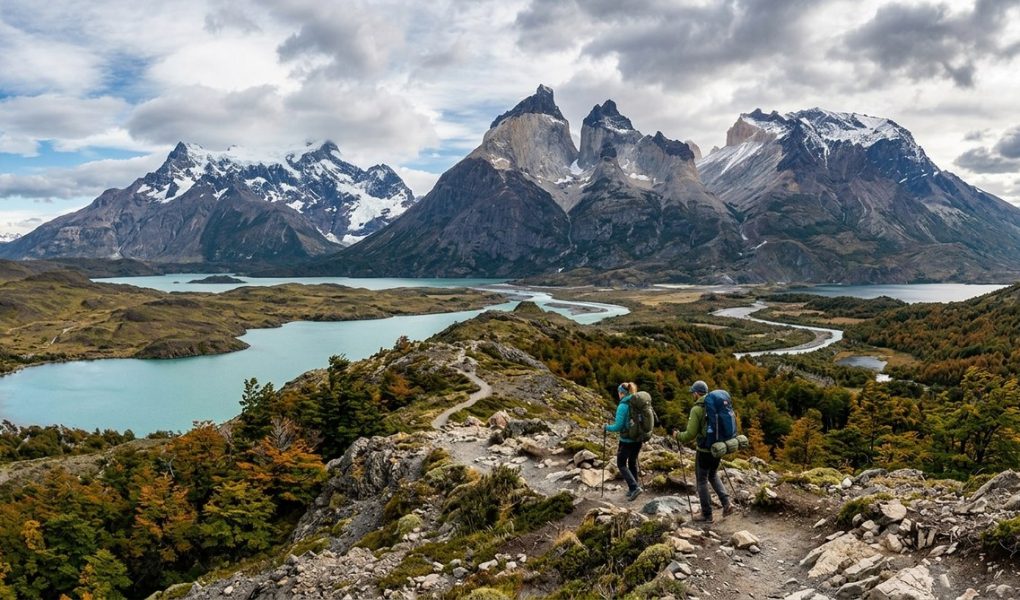
Standing at the base of the granite towers of Torres del Paine, watching condors ride thermal currents above glacial valleys, you realize Patagonia isn’t just a destination. It’s a test of your gear, your planning, and your willingness to embrace wind that can knock you sideways. This patagonia travel guide cuts through the romanticized Instagram posts to give you the practical details that make or break a trip to the bottom of South America.
Patagonia spans Argentina and Chile, requiring careful timing between November and March for optimal hiking conditions. Budget 10 to 14 days minimum, pack serious wind protection, and book refugios months ahead. Border crossings demand patience, trails require self-sufficiency, and weather changes hourly. Plan for higher costs than mainland South America, bring cash for remote areas, and prepare for infrastructure that ranges from world-class to nonexistent within the same park.
Understanding Patagonia’s Two Sides
Patagonia straddles the Argentina-Chile border across 400,000 square miles of steppe, mountains, and ice fields.
The Chilean side features Torres del Paine National Park, the Carretera Austral scenic highway, and the fjords near Puerto Natales. Argentine Patagonia includes El Chaltén (the trekking capital), Los Glaciares National Park, and the wildlife-rich Valdés Peninsula.
Most travelers combine both countries in one trip. A typical route connects El Calafate (Argentina) with Puerto Natales (Chile) via a three-hour bus ride across the border.
The two sides offer different experiences. Chilean Patagonia tends toward organized refugio-based treks with more infrastructure. Argentine Patagonia skews toward independent camping, fewer crowds on certain trails, and a scrappier vibe in mountain towns.
Currency differs between countries, and you’ll cross international borders multiple times if you follow popular circuits. Keep your passport accessible and carry both Chilean pesos and Argentine pesos.
When to Visit and What to Expect
Patagonian summer runs from November through March. This is your window for hiking.
November brings wildflowers and fewer people, but some high passes remain snow-covered. December and January offer the longest daylight (sunset around 10 PM) but attract peak crowds. February and March provide stable weather with thinner trail traffic.
Winter (June through August) closes most trekking routes entirely. Snow buries trails, refugios shut down, and temperatures plummet. Some travelers visit for winter sports, but this guide focuses on the hiking season.
Wind defines Patagonia more than any other weather element. Gusts regularly hit 60 mph, strong enough to flatten tents and knock hikers off balance. Western winds blow constantly from the Pacific, funneling through valleys and accelerating over ridges.
Rain on the Chilean side, sun on the Argentine side. The Andes create a rain shadow, so Puerto Natales gets soaked while El Calafate stays dry. Pack for both conditions regardless of your route.
Temperature ranges from 40°F to 65°F during summer. Mornings start cold, afternoons warm up, evenings chill fast. Layering beats heavy jackets.
“I’ve guided in Patagonia for eight seasons. The single biggest mistake I see is people underestimating the wind. Your tent needs to handle 70 mph gusts, or you’ll spend a sleepless night holding poles together while fabric shreds around you.” — Matías Gonzalez, mountain guide, El Chaltén
Essential Trails Worth Your Time
These hikes represent the best of Patagonian trekking across difficulty levels.
Torres del Paine W Trek (Chile): 50 miles over four to five days. Connects the park’s three valleys via established trails and refugios. Moderate difficulty with some steep sections. Book refugios six months ahead for January and February.
Fitz Roy and Cerro Torre Circuit (Argentina): 30 miles over three to four days based from El Chaltén. Free camping at designated sites. Stunning granite spires, accessible trails, and no permit requirements. The Laguna de los Tres sunrise hike is non-negotiable.
Torres del Paine O Circuit (Chile): 80 miles over eight to nine days. Circles the entire Paine Massif, including the W Trek sections plus the remote backside. Requires carrying camping gear for portions without refugios. More solitude than the W.
Huemul Circuit (Argentina): 40 miles over four days. Technical and remote. Includes glacier crossings, river fords, and navigation challenges. Only for experienced trekkers with proper gear. Permits required.
Dientes de Navarino (Chile): 33 miles on Isla Navarino, south of Tierra del Fuego. The world’s southernmost trekking circuit. Brutal weather, no infrastructure, total wilderness. Five to seven days for masochists only.
Day hikes work if you’re short on time. The Perito Moreno Glacier walkways (Argentina) take two hours. Salto Grande waterfall in Torres del Paine takes 30 minutes. Laguna Capri near El Chaltén offers a three-hour round trip with Fitz Roy views.
Getting There and Moving Around
International flights land in Buenos Aires or Santiago. From there, you need domestic connections.
To El Calafate (Argentina): Direct flights from Buenos Aires take three hours. Aerolíneas Argentinas and LATAM run daily service. Book early for summer travel.
To Puerto Natales (Chile): Fly to Punta Arenas, then take a three-hour bus north. Alternatively, cross from El Calafate by bus (five hours including border formalities).
To El Chaltén (Argentina): No airport. Take a bus from El Calafate (three hours). Buses run multiple times daily during peak season.
Renting a car provides flexibility but comes with challenges. Gravel roads dominate, rental companies charge extra for Chile-Argentina crossings, and gas stations vanish for 200-mile stretches on some routes. Four-wheel drive helps but isn’t mandatory for main highways.
Buses connect major towns reliably. Companies like Marga Taqsa, Cal-Tur, and Cootra run scheduled routes. Book tickets a few days ahead during January.
Border crossings between Chile and Argentina take 30 minutes to two hours. Officials check bags thoroughly for fresh food, which you cannot bring across. Declare everything or face fines.
Where to Sleep and How to Book
Accommodation splits into four categories.
Refugios: Mountain huts along major trails offering bunks, meals, and sometimes showers. Torres del Paine refugios cost $100 to $150 per night including dinner and breakfast. Book through Vertice Patagonia or Fantástico Sur six months ahead.
Campgrounds: Designated sites in national parks. Some offer amenities (bathrooms, water), others provide just a flat spot. Torres del Paine charges $8 to $15 per person. Argentine parks like Los Glaciares offer free camping at some sites.
Hostels: Budget option in towns. Expect $25 to $40 for dorm beds in El Chaltén and Puerto Natales. América del Sur Hostel in El Chaltén and Erratic Rock in Puerto Natales get consistent reviews.
Hotels: Range from $80 budget rooms to $400+ luxury lodges. El Calafate has the most options. Book three months ahead for peak season.
Wild camping outside designated areas is illegal in Chilean national parks and discouraged in Argentine parks. Rangers patrol and fine violators.
Packing the Right Gear
Your pack makes or breaks a Patagonian trek. Here’s what actually matters.
Tent: Four-season model rated for high winds. Freestanding design. Minimum 3,000mm waterproof rating. Test it before you fly.
Sleeping bag: 20°F rating minimum. Down loses insulation when wet, so bring a waterproof stuff sack.
Layers: Merino base layers, fleece mid-layer, waterproof shell. Skip cotton entirely. Wind pants over hiking pants work better than heavy waterproof pants.
Footwear: Broken-in hiking boots with ankle support. Trail runners work for day hikes but not multi-day treks with a pack.
Backpack: 50 to 65 liters for multi-day trips. Rain cover essential.
Trekking poles reduce knee strain on descents and provide stability in wind. Bring two.
Water filters or purification tablets. Stream water is generally clean, but giardia exists.
Sunglasses and sunscreen. Patagonian sun reflects off glaciers and burns skin fast at this latitude.
Headlamp with extra batteries. Summer provides long daylight, but you’ll want light in refugios and tents.
Cash. ATMs exist in major towns but not on trails. Many refugios and campgrounds only accept cash.
Food and Water on the Trail
Refugios provide meals if you book full board. Expect pasta, stews, bread, and tea. Portions are generous but repetitive.
For camping, bring lightweight food. Dehydrated meals, energy bars, nuts, and instant coffee cover most needs. El Chaltén and Puerto Natales have supermarkets for stocking up.
Cooking fuel regulations vary. White gas (bencina blanca) is available in outdoor shops. Canister fuel (isobutane) is harder to find. Some trekkers bring alcohol stoves to avoid fuel hassles.
Water sources are abundant on most trails. Fill bottles from streams above the trail to avoid contamination. Glacier-fed water is safe but teeth-achingly cold.
Pack extra food. Weather can trap you an extra day, and calories matter when you’re burning 4,000 per day hiking with a pack.
Navigating Permits and Regulations
Torres del Paine (Chile): Requires online registration before entry. Free but mandatory. Register at www.parquetorresdelpaine.cl. Park entrance costs $38 for foreigners during high season.
Los Glaciares National Park (Argentina): No advance registration for most trails. Pay entrance fee ($30 for foreigners) at park gates. Huemul Circuit requires a permit obtained in El Chaltén.
Tierra del Fuego National Park (Argentina): $16 entrance fee. No permits needed for day hikes.
Campfire bans apply across all parks. Stoves only. Violators face prosecution and lifetime bans.
Leave no trace principles are law, not suggestions. Pack out all trash, including toilet paper. Bury human waste six inches deep, 200 feet from water.
Budget Reality Check
Patagonia costs more than mainland South America. Plan accordingly.
| Expense Category | Budget Range | Notes |
|---|---|---|
| Accommodation | $25-$150/night | Hostels to refugios |
| Meals | $15-$40/day | Self-catering to restaurants |
| Park entrance | $16-$38 | One-time per park |
| Transportation | $30-$100 | Buses between towns |
| Gear rental | $20-$50/day | Tent, sleeping bag, pack |
A 10-day trip costs $1,200 to $3,000 per person depending on accommodation choices and whether you camp or stay in refugios.
Gear rental is available in El Chaltén and Puerto Natales. Quality varies. Inspect everything before accepting it.
Credit cards work in towns but not on trails. Carry enough cash for your entire trek plus emergencies.
Common Mistakes and How to Avoid Them
Underestimating distances. Patagonian kilometers feel longer due to wind, elevation gain, and rough terrain. A 12-mile day here equals a 16-mile day elsewhere.
Overpacking. Every ounce matters when wind pushes against you. Cut ruthlessly.
Skipping rest days. Your body needs recovery, especially at altitude. Build buffer days into your itinerary.
Ignoring weather forecasts. Conditions change fast. Check forecasts daily and adjust plans accordingly.
Booking too tight a schedule. Missed buses, weather delays, and spontaneous trail extensions happen. Leave flexibility.
Expecting cell service. Coverage exists in towns but vanishes on trails. Download offline maps.
Beyond the Famous Trails
Most visitors stick to Torres del Paine and El Chaltén. Venturing beyond reveals quieter Patagonia.
Cerro Castillo (Chile): Four-day circuit with jagged peaks and turquoise lakes. One-tenth the crowds of Torres del Paine.
Parque Patagonia (Chile): Former estancia turned national park. Rolling grasslands, guanaco herds, and empty trails.
Los Alerces National Park (Argentina): Ancient alerce forests (South America’s redwoods). Lake kayaking and gentle hikes.
Península Valdés (Argentina): Not mountains but worth it for wildlife. Whales, penguins, sea lions, and elephant seals. September through March.
These areas require more planning and Spanish helps, but the solitude rewards effort. Similar to how exploring beyond the main attractions transforms any adventure, Patagonia’s lesser-known corners offer perspective the famous trails can’t match.
Practical Tips That Save Headaches
- Download Maps.me or Gaia GPS before leaving home. Load Patagonia trail maps for offline use.
- Buy a local SIM card in Puerto Natales or El Calafate. Movistar and Claro offer prepaid options with better rates than international roaming.
- Start hikes early. Afternoon winds pick up around 2 PM and make hiking miserable.
- Bring duct tape. Fixes torn tents, broken poles, and blistered feet.
- Learn basic Spanish phrases. English works in tourist areas but vanishes quickly. Even learning basic phrases for directions and emergencies helps enormously.
- Pack earplugs. Refugio dorms and thin hostel walls guarantee noise.
- Bring a stuff sack for dirty clothes. Separating clean from muddy keeps your pack organized.
Food Culture Worth Sampling
Patagonian cuisine centers on lamb, beef, and trout.
Asado: Barbecued lamb or beef, cooked slowly over open flames. Found at parrillas (steakhouses) in every town.
Cordero al pador: Whole lamb roasted on a cross. Traditional method still used at estancias.
Calafate berries: Purple berries native to the region. Made into jams, liqueurs, and desserts. Legend says eating them guarantees your return to Patagonia.
Mate: Herbal tea sipped from a gourd through a metal straw. Social ritual. Locals will offer to share.
Craft beer: El Chaltén and Puerto Natales have excellent breweries. Cerveza Artesanal Chaltén and Baguales are worth trying.
Restaurant meals cost $15 to $30. Supermarkets offer better value for breakfast and lunch supplies. Finding authentic food experiences applies even in small Patagonian towns where locals have favorite spots tourists miss.
Managing Your Budget for Maximum Adventure
Patagonia punishes poor budget planning. Building a travel budget that accounts for unpredictable weather, gear needs, and remote location costs keeps your trip on track.
Camping saves money but requires gear investment or rental costs. Refugios cost more but eliminate gear weight and provide meals.
Cooking your own meals cuts food costs by 60%. Stock up in El Calafate or Puerto Natales before hitting trails.
Bus travel beats rental cars for solo travelers or pairs. Groups of three or more benefit from splitting car rental costs.
Shoulder season (November, March) offers 20% to 30% lower accommodation rates with acceptable weather.
Health and Safety Considerations
Altitude sickness rarely affects Patagonian trekkers since most trails stay below 6,000 feet. Fitz Roy base camp reaches 4,300 feet, manageable for most people.
Hypothermia poses a real risk. Wet clothes plus wind equals danger. Carry extra layers and know the symptoms (shivering, confusion, slurred speech).
River crossings can be treacherous. Glacier-fed streams peak in afternoon heat. Cross in early morning when water runs lower. Unbuckle pack waist straps in case you fall.
Twisted ankles happen on rocky trails. Trekking poles and proper boots reduce risk. Carry basic first aid supplies.
Travel insurance covering helicopter evacuation is smart. Accidents happen, and rescues from remote areas cost thousands.
Drink water constantly. Patagonian wind dehydrates you faster than you realize.
Connectivity and Communication
Cell service exists in El Chaltén, El Calafate, and Puerto Natales. Trails have zero coverage.
WiFi in hostels and hotels ranges from decent to unusable. Don’t count on uploading photos or video calling home during your trek.
Satellite messengers (Garmin inReach, SPOT) provide emergency communication on trails. Rental options exist in major towns.
Tell someone your itinerary before heading out. Leave dates, routes, and expected return with hostel staff or park rangers.
Why Patagonia Delivers What Other Destinations Can’t
Patagonia doesn’t coddle visitors. It challenges you with wind, tests your gear, and rewards preparation with landscapes that reset your baseline for natural beauty. The trails here demand respect, the weather humbles everyone, and the distances feel earned. Pack properly, plan conservatively, and prepare for conditions that change hourly. The granite towers, glacial lakes, and empty steppe will still be there, indifferent to your Instagram feed but generous to those who show up ready to meet Patagonia on its own terms.