Traveling often means wandering through beautiful landscapes, visiting historic landmarks, or snapping iconic photos. Yet, one of the most authentic ways to understand a place lies in its bustling food markets. These lively hubs are more than just spots to grab a snack—they are living museums that reveal the soul of a country’s traditions, social dynamics, and daily life. Whether you’re strolling through a market in Marrakech or exploring a street stall in Bangkok, these vibrant spaces offer insights no museum exhibit can match.
Food markets serve as authentic cultural portals, showcasing local traditions, social interactions, and regional identity. They offer a genuine glimpse into daily life that enriches any journey beyond typical sightseeing.
Why food markets matter more than museums in understanding culture
Museums are wonderful for viewing artifacts and learning about history. However, they often provide a curated snapshot of a culture’s past. Food markets, on the other hand, give a real-time, unfiltered look into how people live, eat, and connect. They are dynamic spaces where tradition meets innovation, reflecting both historical roots and contemporary influences.
These markets are where stories are told through flavors, aromas, and interactions. They reveal regional specialties, local customs, and social hierarchies. For example, a market stall specializing in a traditional dish might be owned by a family for generations, carrying stories of migration, adaptation, and resilience. Visiting these places allows travelers to see how a culture sustains itself through food, social bonds, and community.
How local food markets reflect cultural identity
Food markets are often the beating heart of a community. They showcase regional ingredients, cooking techniques, and culinary innovations. Take the Mercado de San Telmo in Buenos Aires, where traditional Argentine meats are sold alongside modern fusion dishes. This blend highlights how history and contemporary life coexist.
Markets also serve as social spaces. Vendors and shoppers exchange more than money—they share stories, jokes, and cultural pride. In many countries, markets are the setting for festivals, seasonal celebrations, and family gatherings. These gatherings reinforce cultural bonds and keep traditions alive.
Practical ways to experience food markets authentically
- Research local markets before visiting to identify those renowned for traditional foods and local specialties.
- Arrive early or late to see the market in its most lively or peaceful moments.
- Interact with vendors—ask about their products and stories. Most are proud to share insights into their craft.
- Sample regional dishes and ingredients—it’s the best way to taste the essence of a place.
- Participate in cooking classes or food tours that focus on market ingredients and culinary traditions.
How to approach food markets respectfully
- Observe local etiquette—for example, greeting vendors with a smile or a simple hello.
- Avoid taking photos without permission, especially when it involves locals or their food.
- Support small vendors rather than large stalls to help sustain traditional livelihoods.
- Learn a few basic phrases in the local language to build rapport.
Techniques for engaging with food markets effectively
| Technique | How to Do It | Common Mistakes |
|---|---|---|
| Observation | Spend time watching how vendors serve and interact | Rushing in without understanding local customs |
| Sampling | Taste small bites before buying | Overindulging or wasting food |
| Negotiation | Practice respectful bargaining | Being too aggressive or dismissive |
| Participation | Join in local food traditions or cooking classes | Trying to act like a tourist rather than a respectful visitor |
“The most meaningful experiences often happen when you slow down, listen, and connect with local vendors. Food markets are about community as much as cuisine.” — local cultural guide
The social fabric woven through food markets
Markets are social melting pots. They bring together diverse groups—families, farmers, artisans, and travelers—creating a space for cultural exchange. In many places, markets are the venue for seasonal celebrations, religious festivals, or everyday gatherings that reinforce community bonds.
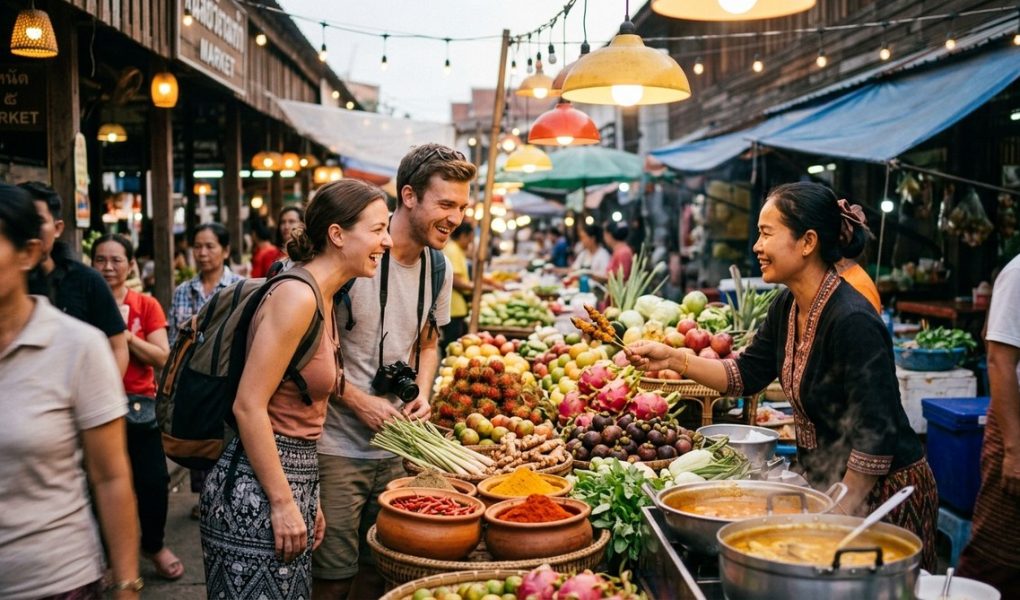
For example, the night market in Chiang Mai becomes a lively hub where locals and tourists mingle over sticky rice, grilled meats, and fresh fruit. These interactions deepen understanding and foster mutual respect.
Practical tips for making the most of your market visits
- Plan your visit during peak hours to witness the market alive with activity.
- Bring cash in local currency—many vendors prefer cash over cards.
- Carry a reusable bag for purchases and to reduce waste.
- Learn about local ingredients beforehand to better appreciate what you’re seeing and tasting.
- Respect local customs—for example, some markets have specific rules for photography or bargaining.
Common pitfalls to avoid in food markets
| Mistake | Why It Happens | How to Avoid It |
|---|---|---|
| Overpaying | Not understanding local prices | Do some quick research or observe bargaining customs |
| Wasting food | Buying too much out of curiosity | Start with small samples and buy only what you’ll eat |
| Disrespecting customs | Lack of awareness of local practices | Read about market etiquette before visiting |
| Ignoring hygiene | Eating raw or unwashed produce | Choose vendors with good hygiene standards |
Final thoughts
Food markets stand as living testimonies to a culture’s heart and soul. They allow travelers to see how people nourish themselves, celebrate traditions, and build community bonds. Visiting these vibrant spaces enriches any journey and offers a genuine connection that no museum can replicate.
Next time you travel, make it a point to wander through local markets. Engage with vendors, try regional dishes, and observe daily life unfolding around you. These moments of genuine interaction will leave you with stories and tastes that stay long after your trip ends. Remember, the true flavor of a place is often found in its markets.
Cultivating cultural flavors at market stalls
Understanding a country’s culture through food markets requires patience and curiosity. Approach each visit with respect and openness. Take time to learn about the ingredients and stories behind each dish, and you’ll uncover a deeper connection to the land and its people.
Food markets are more than shopping spots—they are storytellers. They reveal how communities adapt, celebrate, and sustain their identities through culinary traditions. Whether by tasting a traditional pastry or chatting with a vendor about local farming practices, you gain a window into the local way of life.
So, plan your visits thoughtfully, engage respectfully, and savor every moment. These authentic experiences will transform your understanding of a destination, making your journey memorable and meaningful.
Happy travels and enjoy the rich tapestry of stories that food markets offer. They are truly the heartbeats of the places you visit.