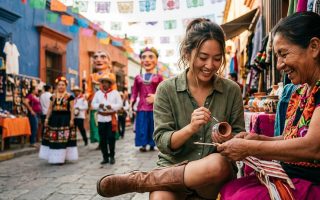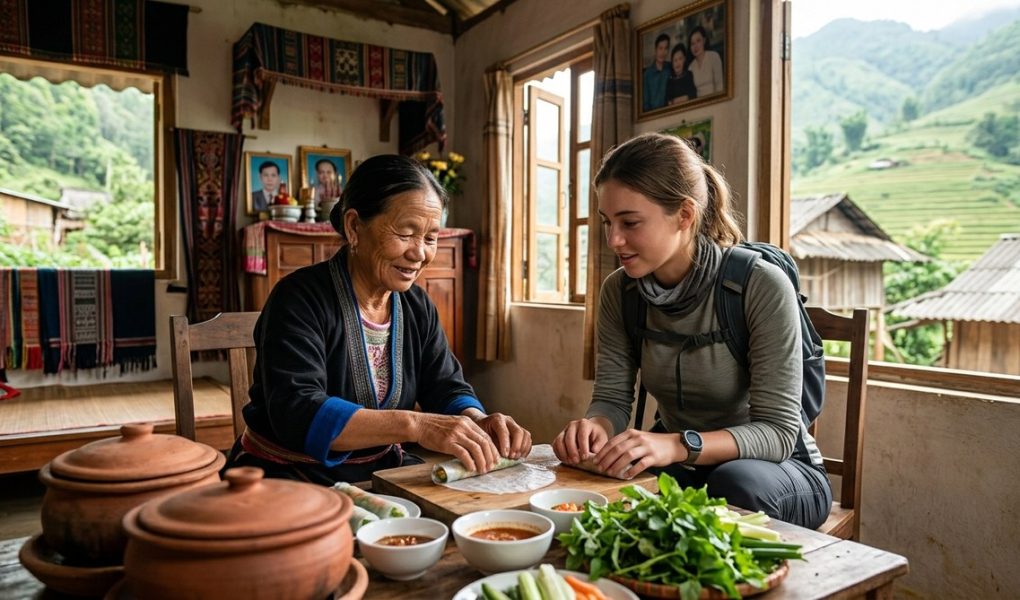
You check into a sterile hotel room. The bed is crisp. The mini bar is overpriced. The view looks the same as every other hotel room you have stayed in. Now imagine another scene. You walk through a creaky wooden door into a family’s home. The smell of simmering spices fills the air. Kids run past giggling. Your host hands you a cup of tea and starts telling you about the village festival happening tomorrow. That is the difference between homestay vs hotel. One gives you a place to sleep. The other gives you a place to belong.
Homestays teach you what no hotel can: real daily life, family traditions, and insider knowledge that no guidebook carries. While hotels offer convenience and privacy, homestays give you cultural immersion, home-cooked meals, and connections that last long after checkout. The best choice depends on how deep you want your travel to go.
Why the Homestay vs Hotel Decision Is More Than an Accommodation Choice
When you book a hotel, you buy a service. When you book a homestay, you buy an invitation. That distinction changes everything about how you experience a destination.
Hotels are designed to shield you from the messy, loud, beautiful reality of a place. They create a bubble of sameness. The lobby in Bangkok looks like the lobby in Barcelona. The breakfast buffet offers the same scrambled eggs. You could be anywhere. And for many travelers, that predictability feels safe. But it also keeps you at arm’s length from the culture you traveled to see.
Homestays flip that script. You share a bathroom. You eat what the family eats. You might help chop vegetables or learn a folk song after dinner. Suddenly you are not a tourist passing through. You are a temporary member of a household. That shift is what makes the homestay vs hotel debate so important for anyone chasing authentic experiences.
What a Homestay Teaches You That No Hotel Can
Hotels are masters of transaction. You pay, you get a room, you leave. A homestay, on the other hand, operates on relationship. Here are the lessons that only a homestay can deliver.
Real Food, Real Stories
Hotel restaurants serve dishes optimized for mass appeal. Your host’s kitchen serves food that tells a story. The recipe came from her grandmother. The spice blend is a secret passed down through generations. You do not just eat; you understand the history behind every bite. One traveler in Oaxaca learned to grind mole from scratch because her host wanted her to taste “the real Oaxaca.” That is a memory you cannot buy at a hotel buffet.
Local Navigation Skills That Save You Money and Headaches
Your host knows which taxi driver charges fair rates. They know the market that sells fresh fruit for half the tourist price. They know the trail that leads to a waterfall not listed on any map. These tips turn you from a clueless visitor into someone who moves through the city with confidence. As one seasoned traveler puts it:
“My homestay host in Vietnam taught me how to cross the street in Hanoi traffic. No YouTube tutorial could have prepared me for that. She also showed me the pho spot where locals eat, not the one on TripAdvisor. That saved me from overpaying and under-eating.”
This kind of insider knowledge is the biggest advantage in the homestay vs hotel comparison. Hotels might have a concierge, but a concierge follows a script. A host lives the city every day.
3 Steps to Choose the Right Homestay for Your First Time
If you are new to homestays, the process can feel intimidating. Follow these steps to find a match that feels right.
-
Read reviews with an open mind. Look for mentions of host family warmth, meal quality, and the type of interaction offered. Skip reviews that only talk about the room. The room is not the point.
-
Message the host before booking. Ask a specific question: “What does a typical evening look like?” or “Do you have any dietary restrictions I should know about?” A good host responds warmly. A bad host gives one-word answers. Trust your gut.
-
Set expectations on both sides. Let your host know your arrival time, how long you plan to stay, and any language challenges. Clear communication prevents awkward moments and builds a foundation for genuine connection.
Once you have those basics in place, you are ready to experience the homestay difference.
Homestays vs Hotels: A Side-by-Side Look at Key Factors
To make the decision easier, here is how the two stack up across the criteria that matter most to authentic travelers.
| Factor | Hotel | Homestay |
|---|---|---|
| Cultural immersion | Low. You stay inside a tourist bubble. | High. You live with a local family and participate in daily routines. |
| Food experience | Standardized, often mediocre. | Home-cooked, personal, tied to regional traditions. |
| Local advice | Scripted (concierge, front desk). | Unfiltered, based on real life. |
| Privacy | High. You control your space. | Moderate. You share common areas and meals. |
| Price | Often more expensive, especially for meals. | Usually cheaper, and meals are often included. |
| Learning opportunity | Minimal. | Language practice, cooking skills, cultural understanding. |
| Lasting connection | Unlikely. You forget the front desk clerk. | Probable. Many travelers stay in touch with hosts for years. |
This table highlights the tradeoffs. If your goal is to see a place rather than experience it, pick a hotel. If your goal is to understand a place, pick a homestay.
Signs You Are Ready to Trade Hotel Comfort for Homestay Connection
Not everyone is cut out for a homestay. That is okay. But if you recognize any of these signs, you might be ready to make the switch.
- You feel disappointed when every city looks the same.
- You prefer dinner invitations from strangers over dinner reservations.
- You want to learn a few phrases in the local language before you arrive.
- You are tired of reading generic travel blogs for restaurant recommendations.
- You believe the best part of travel is the people you meet, not the sights you see.
If that sounds like you, then the homestay vs hotel decision is already made. You just need to find the right family.
Common Homestay Mistakes and How to Avoid Them
Even the most open-minded traveler can stumble. Here are the pitfalls to watch for, along with simple fixes.
Overstaying Your Welcome
Homestays are not hotels. You cannot check in and disappear for three days. Be present. Eat meals with the family. Ask questions. Offer to help with dishes or small chores. That reciprocity builds trust. If you need a day to yourself, let your host know in advance. They will appreciate the honesty.
Ignoring House Rules
Every family has rhythms. Maybe they eat dinner at 6:30. Maybe they prefer no shoes inside. Maybe the WiFi goes off at 10 PM. Respect those rules. They are not restrictions; they are invitations to live like a local. When you follow them, you earn the family’s respect and open doors to deeper interaction.
Forgetting to Share Your Own Culture
A homestay is a two-way street. Bring a small gift from your home region. Teach the kids a simple game. Cook your national dish one night. Your host family wants to learn about you as much as you want to learn about them. That exchange is the magic of the homestay experience.
How to Make the Most of Your Homestay Experience
Once you book a homestay, go in with intention. Here are strategies that turn a good stay into an unforgettable one.
- Learn five key phrases in the local language. “Please,” “thank you,” “delicious,” “help,” and “I love this food” go a long way. Even if you fumble the accent, your effort shows respect.
- Leave your phone in your bag during meals. Be present. Listen to the stories. Watch how hands move when people talk.
- Ask about daily rituals. When does the family wake? Where do they buy bread? What does a typical weekend look like? These details become your travel memories.
- Say yes to invitations. The uncle wants to take you fishing? The neighbor invited you to a wedding? Say yes. Those unscripted moments are what homestays were made for.
- Document the experience with permission. Take photos of the food, the kitchen, the courtyard. Ask before snapping portraits. Your host family will appreciate being asked, and you will leave with images that feel personal, not stolen.
How to Transition from Hotel Thinker to Homestay Lover
Changing your travel style takes a shift in mindset. Hotels promise control. Homestays promise connection. If you are used to the first, the second can feel vulnerable. Start small. Book a homestay for just two nights in the middle of your trip, surrounded by hotel stays. That lets you test the waters without full commitment.
Pay attention to how you feel during the homestay nights. You might find yourself more relaxed, more curious, more engaged. I have watched travelers cry when saying goodbye to host families. That never happens at hotel checkouts.
If you want to ease into deeper cultural immersion, look for homestays that offer cooking classes or guided walks. Programs like those in the article Where Locals Actually Eat: Finding Authentic Food Experiences in Tourist-Heavy Cities often connect you with local families who treat food as a bridge.
The Homestay Effect: Why One Stay Can Change Your Perspective
I remember a night in a small village in the Colombian coffee region. My host grandmother, Doña Rosa, insisted I try her homemade arepas. She stood over the stove, patting the dough, singing softly. I could not understand the words, but I felt the meaning. That moment taught me more about Colombian culture than any museum ever could.
That is the homestay effect. It hands you the keys to a world that hotels keep locked behind polished doors. It teaches you that the best travel is not about where you sleep, but who you break bread with. When you compare homestay vs hotel for your next trip, ask yourself one question: Do I want to be a guest in a building, or a friend in a home?
The answer will guide you to experiences that no mattress, no room service, no concierge can ever replace.