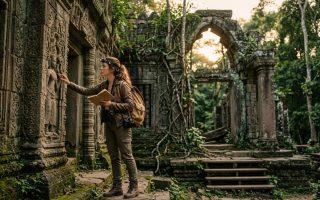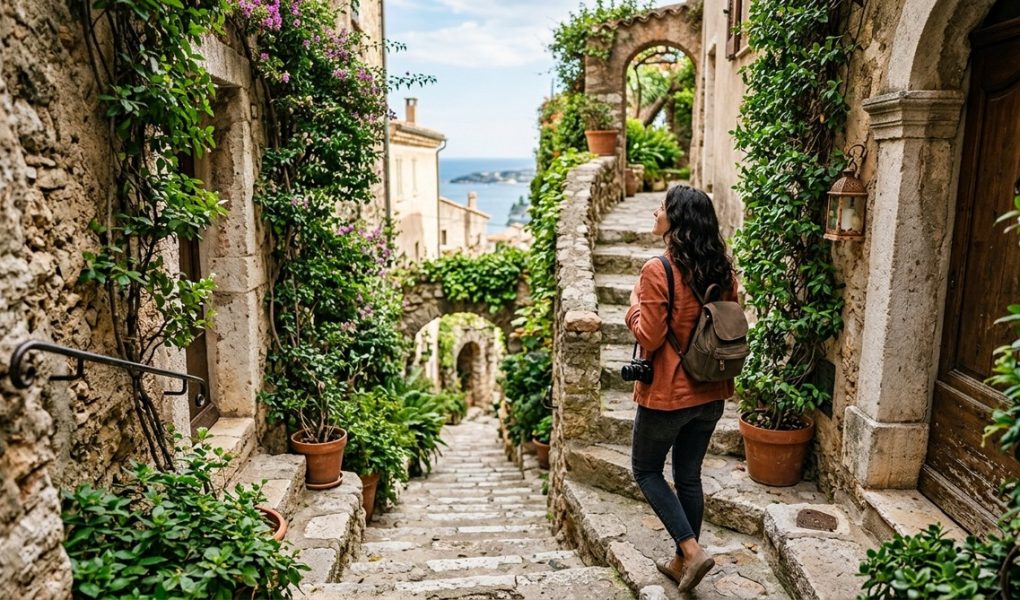
There is something magnetic about a staircase that feels like a secret. Maybe it is the way the light filters through leaves onto worn stone. Maybe it is the quiet thrill of finding a place that does not appear on any tourist map. For photographers and travelers alike, hidden staircases offer a rare combination of architectural beauty, natural framing, and the joy of finding something new. They are the kinds of places that make your feed stand out and your memories last.
Hidden staircases offer photographers a rare mix of architecture, natural light, and local character. This guide explains why they make such compelling subjects, how to track them down in cities worldwide, and which staircases deserve a spot on your travel list. You will also learn camera techniques for better photos, the best times of day to shoot, what gear to bring, and tips for visiting responsibly so these hidden gems remain unspoiled for other travelers.
Why Hidden Staircases Are a Photographer’s Dream
Staircases have an architectural advantage that few other subjects can match. They create leading lines that pull the viewer’s eye through the frame. They offer natural framing through railings, archways, and overhanging branches. And they play with light in ways that change by the hour.
A set of steps tucked between two buildings can look completely different at sunrise versus late afternoon. The shadows shift. The colors warm or cool. That variety means you can visit the same staircase multiple times and come away with a totally different set of images.
There is also the human element. Staircases are stages. A person walking up, a dog waiting at the top, a neighbor sweeping the landing. These small moments add life and scale to your photos. They turn a simple architectural shot into a story.
Social media rewards this kind of content. Unique locations perform well because they feel personal and original. When you post a photo from a hidden staircase, your audience does not just see a pretty picture. They see a place they have never encountered before. That sense of discovery keeps people scrolling, liking, and asking where it is.
How to Find Hidden Staircases Anywhere You Go
You do not need to be a local to find great staircases. You just need to know where to look. Here is a step by step process that works in almost any city.
-
Open Google Maps in satellite mode. Look for green strips between buildings. Those are often public stairways or park paths. In hilly cities, you will see staircases as lines cutting through blocks where roads cannot go.
-
Search for local staircase groups and blogs. Many cities have dedicated staircase enthusiasts. San Francisco has the Hidden Staircase project. Los Angeles has the Silver Lake stair masters. Pittsburgh has its famous public steps. Type the city name plus “hidden staircases” or “public stairs” into a search engine and see what comes up.
-
Ask locals directly. Talk to shopkeepers, baristas, and neighbors. Say you are looking for a pretty staircase to photograph. People love sharing their neighborhood secrets. You will often get directions to a spot that no blog has covered yet.
-
Walk the older hilly neighborhoods. The best hidden staircases are usually in districts built before cars dominated city planning. These neighborhoods used stairs to connect streets at different elevations. Wander those areas and you will find gems.
-
Follow local photographers on Instagram. Search for a city name plus “stairs” or “urbanexplorer.” See where the local shooters go. Then visit those spots at a different time of day for a fresh take.
If you want to get better at this kind of treasure hunting, read our guide on the art of discovering forgotten historical sites before they go viral. The same instincts apply to staircases.
Hidden Staircases Worth the Trip
Some staircases have become famous for good reason. Others remain wonderfully obscure. Here are a few that belong on your radar.
The 16th Avenue Tiled Steps, San Francisco. This 163 step climb is covered in a mosaic of fish, flowers, and celestial patterns. It sits in a quiet residential neighborhood and offers a view of the ocean at the top. Go on a weekday morning to avoid the crowds.
The Lapa Steps, Rio de Janeiro. Also known as the Escadaria Selaron, these steps are covered in colorful tiles collected from over 60 countries. They are not exactly hidden anymore, but they are still photogenic. Visit at sunrise when the light is soft and the street is empty.
The rooftop stairs of Montmartre, Paris. Not a single staircase but a network of stone steps winding between vineyards and villas. The Rue de l’Abreuvoir area has several that look like they belong in a painting. Bring a lens that handles low light well.
The Bath Stone Steps, England. In the city of Bath, you will find narrow stone staircases dating back centuries. They connect the upper and lower parts of the city. The combination of honey colored stone and green moss creates a moody, romantic look.
The street stairs of Lisbon, Portugal. Lisbon is built on seven hills, and its staircases are everywhere. The Escadinhas de São Cristóvão and the Calçada do Combro are two of the most striking. The cobblestone patterns alone are worth the photo.
For more city specific recommendations, check out our list of 15 underrated European cities that rival Paris and Rome. Many of them have incredible staircase scenes with almost no tourists.
How to Photograph Staircases for Maximum Impact
Getting a great staircase photo is about more than pointing your camera and pressing the shutter. The table below breaks down what works and what does not.
| Technique | Why It Works | Common Mistake To Avoid |
|---|---|---|
| Shoot from the bottom looking up | Emphasizes height and creates strong leading lines | Standing too close and losing focus on the details |
| Use a wide aperture (f/2.8 or lower) | Blurs the background and makes the staircase pop | Forgetting to focus on a specific point like a railing or a person |
| Include a person for scale | Gives the viewer a sense of size and adds a story | Placing the person in the center where they block the lines |
| Shoot during golden hour | Warm light enhances textures and colors | Overexposing the highlight areas on bright stone |
| Frame with foliage or architecture | Adds depth and context | Letting the frame become too busy with distractions |
“The best staircase photos I have taken came from visiting the same spot three times. Once to scout, once to shoot in the morning light, and once to capture it at dusk. Each visit taught me something new about the space.” – Maria Chen, street photographer and urban exploration guide.
Gear and Preparation for a Staircase Hunt
You do not need expensive equipment to shoot beautiful staircases. But a few items will make the experience smoother and your results stronger.
- A camera or phone with a wide angle lens. This helps capture the full height and context of the staircase.
- A small tripod or gorillapod. If you want to shoot long exposures or include yourself in the frame, stability matters.
- Comfortable shoes. You will be walking, climbing, and often backtracking. Blisters ruin the mood fast.
- A polarizing filter. This cuts glare on wet stone and deepens the colors of tiles and paint.
- A water bottle and snack. Some of the best staircases are at the top of long climbs. Stay hydrated.
If you are planning a longer trip that involves multiple staircase hunts, our guide on packing light without sacrificing comfort will help you travel lean without leaving important gear behind.
A Note on Respect and Stealth
Hidden staircases are often in residential neighborhoods. People live there. Their daily life happens on those steps. A few guidelines will keep you welcome.
Keep your voice down. Do not block the staircase for extended periods. If a resident needs to pass, step aside and smile. Do not leave trash behind. And if a staircase is on private property, respect that boundary and move on.
When you share your photos online, consider not tagging the exact location. A vague neighborhood name or a generic caption like “somewhere in Lisbon” protects the spot from being overrun. The goal is to preserve the magic, not destroy it with attention.
For more on this philosophy, read our article about secret gardens and urban oases you can actually visit. It covers the same balance between sharing and protecting.
Timing Your Visit for the Best Light
Light is everything in staircase photography. Midday sun creates harsh shadows and blown out highlights. Early morning and late afternoon give you warm, directional light that sculpts the steps.
Check the weather before you go. Overcast days are underrated for staircase shots. The soft, even light reduces harsh contrast and brings out the texture of stone, tile, and wood. Rainy days can also work well. Wet steps reflect light and add a glossy, dramatic look.
Use a sun tracking app like Sun Surveyor or PhotoPills to see where the light will hit at different times. This helps you plan which staircase to visit at which hour. You can maximize your time and get the best possible conditions for each location.
Building Your Own Staircase Collection
You do not have to travel to famous cities to find great hidden staircases. Start in your own town. Walk unfamiliar streets. Look for pathways that cut between blocks. Search for “public stairs” in your city government website. You might be surprised at what you find.
Keep a running list in your phone notes. Add the location, the best time of day to shoot, and any notes about access or crowds. Over time, you will build a personal map of staircases that no travel guide knows about.
That personal collection becomes your signature. When someone asks where you took that amazing photo, you get to smile and say, “It is a hidden staircase. I will show you.”
Your Staircase Scavenger Hunt Starts Now
The world is full of hidden staircases waiting to be photographed. Some are famous. Most are not. The ones you find yourself will always feel the most rewarding. Start with the tips in this guide, pick a city near you or far away, and go look. Bring your camera. Bring your curiosity. And leave each staircase exactly as you found it, so the next person can experience the same quiet thrill.
If you enjoyed this article and want more ideas for finding secret spots on your travels, sign up for our newsletter. We send one email each week with a new hidden gem, a photo tip, and a story from the road. No spam. Just the good stuff.