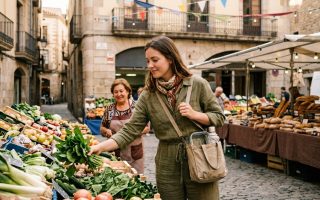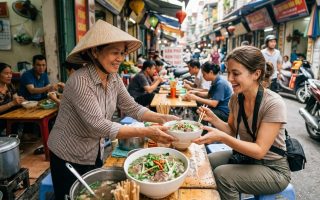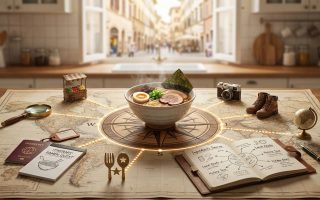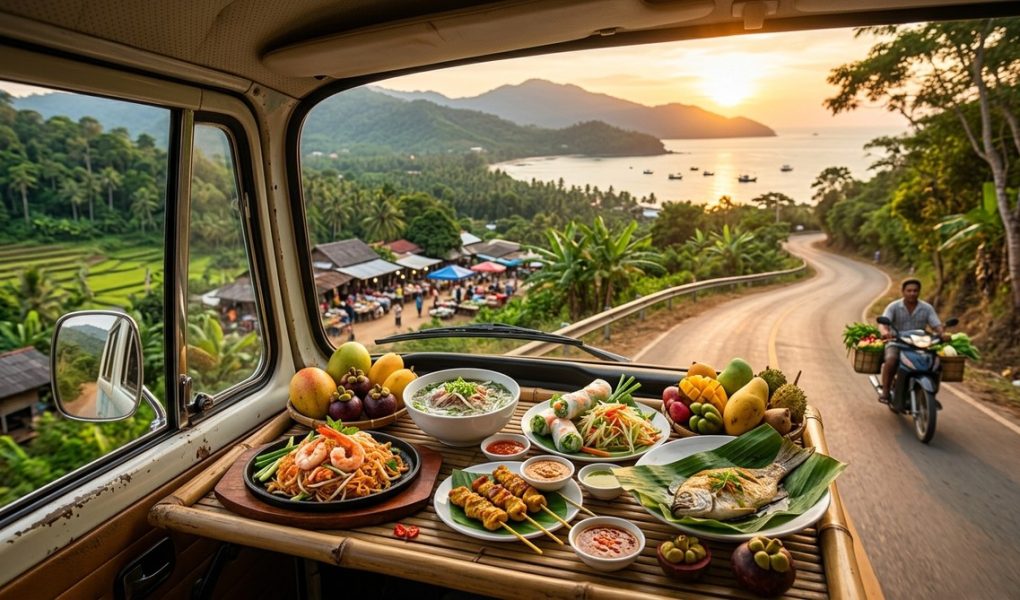
You have seen the photos of pad thai in Bangkok and pho in Hanoi. You know about the night markets in Chiang Mai and the street food alleys of Ho Chi Minh City. Those places are famous for good reason, but they are also crowded, expensive, and often tailored for tourists. The real magic of Southeast Asian food happens somewhere else. It happens in towns you have never heard of, at stalls with no English menu, and in kitchens run by families who have been cooking the same dish for three generations. This guide is for the traveler who wants to taste the soul of a region, not just its greatest hits.
The best food in Southeast Asia is not in the guidebooks. It is in fishing villages, highland towns, and border markets where locals outnumber tourists. This article maps 15 underrated food stops across six countries, giving you the exact dishes to order, the best time to visit each spot, and practical tips to eat like a local without a phrasebook.
Why the Tourist Corridors Miss the Best Bites
The food scenes in Bangkok, Hanoi, and Singapore are incredible. They are also curated. A bowl of noodles in a tourist zone has been adjusted for foreign palates. The spice level is lower. The sugar level is higher. The price is triple what a local would pay.
When you step off that well-worn path, you find dishes that have not been optimized for Instagram. You find grills that use charcoal from local wood, broths that simmer for 18 hours, and sauces made from fermented fish paste that your guidebook told you to avoid. These are the meals that change how you think about food.
The Route at a Glance
This road trip loops through six countries, starting in northern Thailand and ending in the Philippines. You can do the whole route in three weeks, or pick a section for a shorter trip. Here is the order:
- Mae Hong Son, Thailand
- Pakse, Laos
- Battambang, Cambodia
- Ha Tinh, Vietnam
- Mui Ne, Vietnam
- Dalat, Vietnam
- Can Tho, Vietnam
- Kampot, Cambodia
- Trat, Thailand
- Ipoh, Malaysia
- Malacca, Malaysia
- Padang, Indonesia
- Yogyakarta, Indonesia
- Bacolod, Philippines
- Iloilo City, Philippines
15 Underrated Food Stops That Deserve Your Attention
1. Mae Hong Son, Thailand
Most travelers skip northern Thailand for the beaches. They miss the Burmese-Thai border food in Mae Hong Son. The signature dish here is khao soi, a coconut curry noodle soup that tastes nothing like the version in Chiang Mai. Look for a stall near the morning market that sells only this dish. The owner has been making it since 1998. Order it with crispy fried noodles on top and a squeeze of lime.
2. Pakse, Laos
Pakse sits at the confluence of two rivers and at the crossroads of Lao, Thai, and Vietnamese cooking. The local specialty is lam vien, a slow-cooked buffalo stew with lemongrass and dill. It is served with sticky rice and a pile of fresh herbs. Find a restaurant called Dao Heuang on the main road. They do not have a website, but the stew is ready by 11 a.m. and usually sells out by 1 p.m.
3. Battambang, Cambodia
Battambang is known for rice noodles and a fermented fish paste called prahok. Do not be scared of the paste. When it is stir-fried with pork belly and green beans, it becomes a savory, funky dish that pairs perfectly with a cold beer. The best place to try it is at a roadside shack on the road to Siem Reap. Look for the blue plastic chairs and the cloud of charcoal smoke.
4. Ha Tinh, Vietnam
Ha Tinh province is the home of banh da, a thick, dark noodle made from rice and turmeric. The noodles are served in a pork bone broth with chunks of boiled pork, fresh herbs, and a dollop of chili paste. It is a breakfast dish, and it is best eaten from a tiny plastic stool on the sidewalk. Locals will stare at you. Smile and keep eating.
5. Mui Ne, Vietnam
Mui Ne is famous for sand dunes, not food. That is why you should go. The fishing village on the east side of town has a seafood market that operates from 4 a.m. to 7 a.m. You can buy freshly caught squid, crabs, and clams, then hand them to a nearby grill vendor who will cook them for a small fee. The experience is raw, messy, and unforgettable.
6. Dalat, Vietnam
Dalat is the vegetable basket of Vietnam. The cool climate produces artichokes, avocados, and strawberries that taste like candy. The dish to hunt here is banh can, a miniature rice pancake cooked in a clay mold. Vendors sell them from carts on the street. They come topped with a quail egg and scallion oil. Dip them in a sweet fish sauce.
7. Can Tho, Vietnam
The floating markets of Can Tho are touristy, but the food on the banks of the river is not. Look for bun ca, a fish noodle soup that uses freshwater fish from the Mekong. The broth is lighter than pho and has a distinct sourness from tamarind. The best bowl is served from a boat that ties up near the Cai Rang market around 6 a.m.
8. Kampot, Cambodia
Kampot is known for pepper, but the real star is the durian. Kampot durian is smaller than the Thai variety and has a custard-like texture that is almost savory. Do not try to eat it in a hotel room. Find a fruit stall on the riverfront, buy a whole durian, and have the vendor crack it open for you. Eat it on a bench by the water.
9. Trat, Thailand
Trat is a fishing town on the Gulf of Thailand that most tourists pass through on the way to Koh Samui. Stop here for ho mok, a steamed fish curry wrapped in banana leaves. The curry is made with turmeric, coconut milk, and a heavy dose of white pepper. It is served with a mound of jasmine rice. The best version is at a no-name restaurant near the pier.
10. Ipoh, Malaysia
Ipoh has a Chinese-Malay food scene that rivals Penang but without the crowds. The dish to order is tau fu fah, a silky tofu pudding served with palm sugar syrup and red beans. It is a breakfast item, and it is best eaten at a shop called Funny Mountain on Jalan Raja Permaisuri. Get there before 9 a.m. or they will run out.
11. Malacca, Malaysia
Malacca is not underrated in the way the others are, but most tourists stick to Jonker Street and miss the Peranakan food in the residential neighborhoods. Look for ayam pongteh, a braised chicken in fermented soybean paste. It is savory, salty, and deeply satisfying. The best version is at a restaurant called Nancy’s Kitchen, a 10-minute walk from the main square.
12. Padang, Indonesia
Padang is the birthplace of the famous nasi padang, but the version you get in Jakarta is a pale imitation. In Padang itself, the food is spicier, more complex, and served with a dozen small plates on your table. The dish to order is rendang, but not the dry version you know. Padang rendang is served in a pool of rich, spicy coconut gravy. Eat it with your hands.
13. Yogyakarta, Indonesia
Yogyakarta is a cultural hub, but its food gets overshadowed by Bali. The local specialty is gudeg, a jackfruit stew cooked for hours with palm sugar and coconut milk. It is sweet, savory, and served with chicken, egg, and a crispy cracker. The best place is a warung called Gudeg Yu Djum on Jalan Kaliurang. It has been open since 1951.
14. Bacolod, Philippines
Bacolod is the chicken inasal capital of the world. Inasal is a grilled chicken marinated in lemongrass, ginger, and calamansi, then basted with annatto oil. The skin gets crispy and orange. The meat stays juicy. The best spot is a restaurant called Manukan Country, a sprawling outdoor grill house where you pick your chicken and they cook it over live coals.
15. Iloilo City, Philippines
Iloilo City is where you go for batchoy, a noodle soup with pork, liver, and a rich broth made from beef stock and pork bone marrow. It is topped with fried garlic and chicharron. The most famous version is at Ted’s Batchoy, a chain that started in Iloilo in 1945. Go to the original location on General Luna Street.
How to Eat Like a Local at These Stops
Eating well at these places requires a shift in mindset. Here is a simple process to follow:
- Watch the locals. If a stall has a line of people in work uniforms, join it. If it is empty, move on.
- Point and smile. You do not need to speak the language. Point at what someone else is eating and hold up one finger.
- Eat early. The best dishes sell out by noon. Breakfast is the most important meal on a food road trip.
- Carry small bills. These places do not take credit cards. Break larger notes at a convenience store before you arrive.
- Say no to ice. Unless you see the ice being made from filtered water, skip it. Drink warm tea or bottled water instead.
Common Mistakes Travelers Make
Even experienced food travelers mess up. Here is a table of the most common mistakes and how to avoid them.
| Mistake | Why It Happens | How to Fix It |
|---|---|---|
| Ordering the same dish every day | Fear of the unknown | Ask a local to order for you. They will pick something you have never tried. |
| Eating at the most crowded stall | Assuming popularity equals quality | Crowds can mean a tour bus just arrived. Look for a steady stream of individual locals, not a group. |
| Avoiding street food for restaurants | Fear of hygiene | Street food is often fresher because ingredients are cooked in front of you. Look for stalls with high turnover. |
| Using a fork | Lack of practice | Eat with your right hand. The texture and temperature are part of the experience. |
“The best meal I ever had in Southeast Asia was a bowl of noodles in a town I cannot pronounce, served by a woman who did not speak English. She sat down next to me and showed me how to mix the chili paste into the broth. That is the kind of meal you cannot find in a guidebook.”
* Travel writer and chef, David Thompson
Building Your Own Southeast Asia Culinary Road Trip
You do not have to follow this exact route. The principle is the same no matter where you go. Skip the capital cities. Head to secondary towns. Eat breakfast at markets. Ask your homestay host where they eat on their day off. If you want a deeper framework for planning a trip around food, read our guide on how to plan an entire trip around a single dish. It explains how to use a single craving as the anchor for a whole itinerary.
For travelers who want to pair their food tour with cultural sites, the how to plan a 10-day Southeast Asia temple trail without the tourist crowds guide shows you how to connect the dots between Angkor Wat and lesser-known temples without rushing.
If you are worried about food safety while eating street food, our complete guide to street food safety for adventurous eaters covers everything from how to spot clean stalls to what to do if your stomach gets upset.
What to Pack for a Food-Focused Trip
Your luggage matters more than you think. Here is what you need:
- Reusable chopsticks and a spoon. Some stalls do not have disposable utensils.
- A small bottle of hand sanitizer. Use it before every meal.
- Antacids and rehydration salts. Even the strongest stomachs need backup.
- A notebook. You will forget the name of that incredible dish. Write it down.
- Loose clothing. You will eat more than you expect. Do not wear tight pants.
The Best Time of Year to Take This Trip
The dry season varies by country, but the sweet spot for this entire route is between November and February. The weather is cooler, the humidity is lower, and the risk of rain disrupting your plans is minimal. Avoid April and May if you can. That is the hottest period across the region, and eating a bowl of steaming noodles in 100-degree heat is not fun.
Your 2026 Food Road Trip Starts Here
The 15 stops in this guide are just the beginning. Every town in Southeast Asia has a dish that its residents are proud of. Your job is to find it. Start with Mae Hong Son and work your way south. Eat the stew in Pakse, the noodles in Ha Tinh, and the grilled chicken in Bacolod. Let the flavors guide you. By the time you reach Iloilo City, you will have eaten food that no travel blogger has written about. That is the point.
Pack your bags, book a one-way ticket to Chiang Mai, and start driving south. Your taste buds will thank you.