Find the hidden alleys of Kyoto where geisha culture still thrives. A guide to Pontocho, Gion Shirakawa, and quiet lanes for an authentic experience away from the crowds.
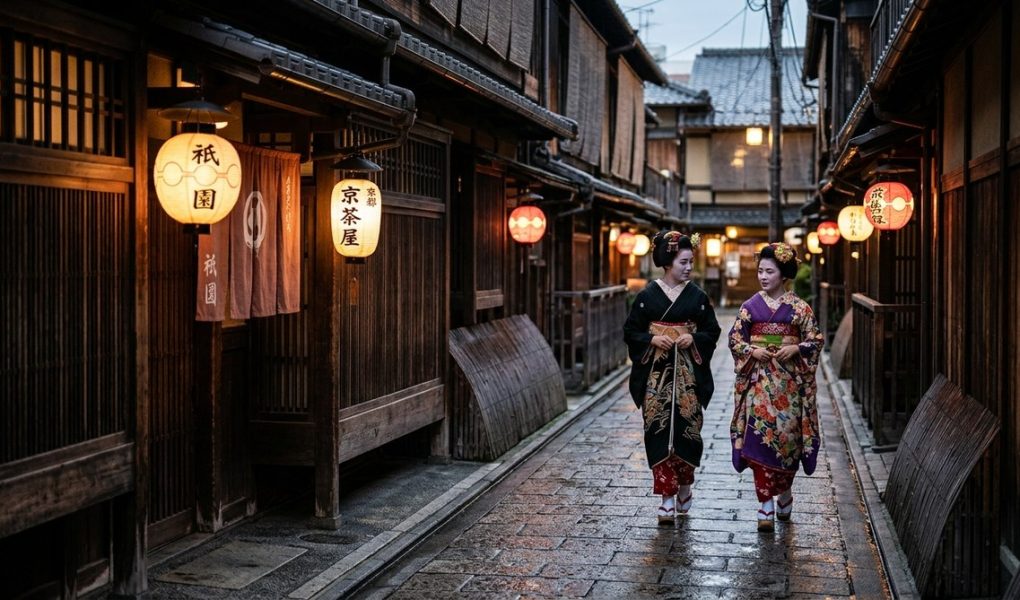
The wooden clogs echo off the narrow walls. A flash of silk disappears around a corner. The air smells of charcoal grills and damp stone. This is the Kyoto most visitors miss. Not the packed temples of Higashiyama or the neon crush of downtown. The real magic lives in the hidden alleys of Kyoto where geisha culture still thrives. These lanes, narrow enough to touch both sides with outstretched arms, hold centuries of tradition. They are not museums. They are living neighborhoods where the karyukai (the flower and willow world) continues its nightly rituals. If you want to see a maiko apprentice in full regalia without a crowd of fifty tourists blocking your shot, you need to know where to go. And how to behave when you get there.
The hidden alleys of Kyoto where geisha culture still thrives are found in the Gion, Pontocho, and Miyagawacho districts. The best times to see geiko and maiko are between 5:30 PM and 6:30 PM as they walk to their evening engagements. Stay quiet, do not block their path, and never use flash photography. For a deeper experience, book a tea house dinner through a trusted concierge or licensed guide.
The Geography of Geisha: Understanding Kyoto’s Hanamachi
Kyoto has five remaining hanamachi (flower towns) where geisha culture operates. Each has its own character. Each has its own hidden alleys.
Gion Kobu is the largest and most famous. It sits between Shijo Avenue and the Kamo River. The main street, Hanamikoji Dori, gets heavy traffic. But the real treasures are the side alleys. Pontocho is a single narrow alley running parallel to the Kamo River. It is only as wide as a person’s arm span in places. Miyagawacho sits south of Gion. It is quieter. Locals call it “the backstage of Gion.” Kamishichiken is tucked near Kitano Tenmangu Shrine. It is the oldest hanamachi but the least visited. And Shimabara, once the largest, now has only one remaining tea house.
Each district has its own rhythm. Gion Kobu is busy. Pontocho is atmospheric at night. Miyagawacho feels like a secret. Kamishichiken is for the dedicated explorer.
How to Find the Hidden Alleys of Kyoto Where Geisha Culture Still Thrives
Finding these lanes requires intention. They are not on the main tourist maps. Here is a practical process for your evening search.
-
Start at a landmark you know. Use the intersection of Shijo Dori and Hanamikoji Dori as your anchor. From there, walk south toward the Kamo River. The small streets branching off Hanamikoji are your target. Look for the white lanterns with red characters. They mark tea houses.
-
Arrive between 5:00 PM and 6:00 PM. This is the magic window. Geiko and maiko walk from their dressing rooms to the tea houses for their first appointments. You will see them in groups of two or three. They move with purpose. They are working. Respect that.
-
Stand still and stay quiet. Pick a spot near a corner but do not block the path. Do not chase them. Do not call out. Let them pass. The best photographs come from patience, not pursuit. If you stand quietly at the edge of a lane, they will walk right past you.
-
Use a long lens. A 70-200mm lens lets you capture the scene without intruding on their space. A phone camera will force you to get too close. Respect their privacy. They are not actors in a show for your entertainment.
-
Leave by 7:00 PM. After that, the streets empty. The geiko and maiko are inside the tea houses. The alley becomes a quiet residential street. That is a good thing. It means you saw what you came for without disrupting their world.
A Table of Do’s and Don’ts for Alley Etiquette
| Action | Do | Don’t |
|---|---|---|
| Photography | Use a long lens from a stationary position | Use flash or chase subjects |
| Greeting | A slight bow and quiet “konbanwa” (good evening) | Shouting, waving, or tapping on shoulders |
| Location | Stand at the edge of the alley, out of the flow | Block the center of the path |
| Timing | Visit between 5:30 PM and 6:30 PM | Visit after 9:00 PM when streets are empty |
| Approach | Let them come to you | Follow them into side streets or private entrances |
| Group size | Go with one or two people | Go with a large tour group that blocks traffic |
Pontocho: The Narrowest Stage
Pontocho is an alley that feels like a theater set. It runs for about 500 meters between Shijo Dori and Sanjo Dori. Restaurants and ochaya (tea houses) line both sides. The alley is so narrow that the balconies of the buildings almost touch. At night, lanterns cast warm light on the cobblestones. This is where you will see geiko walking to their engagements. It is also where you will see the most tourists. The trick is to go early. Be there at 5:15 PM. Stand near the middle of the alley where it curves slightly. That curve creates a natural frame for photographs. Do not stand at the entrance. That is where everyone else stands.
Pontocho is also the best place for a meal after the geisha have passed. The restaurants here serve Kyoto style cuisine. Some have riverbed dining platforms that hang over the Kamo River in summer. It is expensive but memorable.
Gion Shirakawa: The Photographer’s Prize
A ten minute walk from Pontocho brings you to Gion Shirakawa. This area runs along a small canal lined with weeping willows. The alley here is wider but still feels intimate. The combination of water, lanterns, and traditional wooden machiya buildings makes this the most photographed spot in Gion. It is also where you have the highest chance of seeing a maiko walking alone.
Maiko are the apprentices. They wear more elaborate makeup and colorful kimono. Their obi (sash) hangs long in the back. They are younger and often walk faster than the geiko. In Gion Shirakawa, they often cut through the small bridge over the canal. Stand on the bridge but do not block it. Let them pass. The reflection of the lanterns on the water makes for stunning images.
Miyagawacho: The Quiet Alternative
Most visitors never make it to Miyagawacho. It is south of Gion, across Shijo Dori. The alleys here are even narrower. The buildings are older. The atmosphere is more relaxed. This is where many geiko live. You will see them in the late afternoon walking to the bathhouse or picking up supplies. It is less a performance and more a glimpse of daily life.
Miyagawacho has a small shrine dedicated to the geisha of the district. It is tucked behind a row of tea houses. Leave a small offering. It is a gesture of respect. The locals notice these things.
“The best advice I can give is to treat the alleys as you would a church. Speak in whispers. Move slowly. Observe without demanding. The geiko are artists, not attractions. If you approach them with reverence, you will be rewarded with a moment that feels like stepping into another century.” — Sachiko Mori, licensed Kyoto guide and cultural interpreter
When the Weather Works in Your Favor
Rain changes everything. The crowds disappear. The lanterns reflect off the wet stones. The geiko carry umbrellas that match their kimono. The colors are more saturated. The sound of their geta (wooden clogs) on wet stone is sharper. If you can plan your visit on a drizzly evening, you will have the alleys almost to yourself.
Winter is also excellent. The cold keeps tourists inside. The geiko wear heavier kimono with fur collars. The steam rising from restaurants creates a soft haze. The light is golden and low. Arrive at 4:30 PM in winter. The sun sets earlier and the transition from daylight to lantern light is beautiful.
Summer is crowded. The heat drives everyone to the river. Pontocho can feel like a subway platform in July. If you must go in summer, aim for a weekday and arrive at 5:00 PM. Leave by 6:30 PM.
Where to Stay for Easy Access
Your choice of accommodation affects how much you see. Staying in Gion itself is ideal but expensive. Consider these options.
Gion Hatanaka is a traditional ryokan on Hanamikoji Dori. It is expensive but puts you right in the heart of the action. You can step out your door and be in the alley. They also offer a traditional kaiseki dinner where you might see geiko entertainment. Book six months ahead.
The Screen Hotel is a modern option near Gion Shirakawa. It is more affordable and still within walking distance of the best alleys. The rooms have small balconies overlooking the canal.
Guesthouse Gion is a budget friendly option. It is a ten minute walk from the main alleys. The trade off is that you are in a quieter residential area. That is not a bad thing. You might see geiko walking home late at night.
For a deeper cultural stay, consider a machiya townhouse rental. These are traditional wooden houses that have been converted into short term rentals. They give you a private courtyard and a sense of what it feels like to live in these alleys. Sites like Machiya Rental Agency list available properties. They book far in advance.
The Hidden Rituals That Define Local Cultures
The geisha world is built on ritual. The way a maiko walks (small steps, toes pointed inward) is called suri ashi. It is a remnant of wearing kimono. The way she turns her head before entering a tea house is part of a greeting sequence. The way she holds her fan is a language in itself. These details are easy to miss if you are not looking. But they are what make the experience authentic.
If you want to understand these rituals better, consider a guided walk with a licensed interpreter. They can point out the small gestures that tell you a maiko is about to leave a tea house or the way a geiko signals to a passing colleague. It adds a layer of meaning to what you see. You can find guides through the Kyoto City Tourism Association. They list only certified professionals.
The Art of Attending Local Festivals Without Being That Tourist
Kyoto has several festivals where geiko and maiko perform publicly. The Miyako Odori in April is the most famous. It is a dance performance at the Gion Kobu Kaburenjo theater. Tickets sell out months in advance. The Jidai Matsuri in October features a historical procession that includes geisha. These events are excellent for photography because the geiko are in performance mode and expect to be observed.
However, the best encounters still happen in the alleys. The festivals are staged. The alleys are real. A maiko hurrying to an appointment is more genuine than any performance. Treat her with the same respect you would show a professional dancer backstage. Do not interrupt. Do not ask for selfies. Just watch.
Common Mistakes Travelers Make
- Going too late. Most visitors arrive at 8:00 PM expecting to see geisha. By then, they are inside the tea houses. You will see nothing but closed doors.
- Using flash. A flash ruins the atmosphere and blinds the geiko. It is also considered deeply rude. Turn off your flash before you enter the alley.
- Following too closely. Some tourists walk right behind a maiko for several blocks. This is harassment. If you see her, let her pass. Take your photo from a distance. Then move on.
- Wearing inappropriate clothing. You do not need a kimono. But avoid loud colors, large backpacks, and revealing clothes. Dress like you are going to a nice dinner. It shows respect.
- Ignoring the no photography signs. Some tea houses have signs asking you not to photograph their building. Obey them. These are private residences.
How to Extend Your Evening
After the geiko have entered the tea houses, the alleys quiet down. This is the time to find dinner. The restaurants in Pontocho and Gion are world class. For a more local experience, walk to the Kiyomizu Sannenzaka area. It is a steep hill lined with shops. By 8:00 PM, the tourists have left. The shops close. The street becomes a quiet, lantern lit path. It feels like a different city.
If you want a drink, find a bar in the Pontocho area. Many are small, with only a handful of seats. The bartenders often speak English. The atmosphere is intimate. It is a good place to process what you saw.
For a different kind of cultural evening, consider a traditional tea ceremony. Some tea houses in the Gion area offer evening ceremonies for small groups. It is a calm, meditative experience. It also teaches you the etiquette of receiving a tea bowl, which is useful if you ever get invited to a tea house.
Your Next Steps
Kyoto’s hidden alleys are not a secret to the people who live there. They are a daily reality. The gift for travelers is that these alleys remain accessible if you approach them correctly. You do not need a special pass. You do not need a guide (though one helps). You need patience, respect, and good timing.
Start your evening at 5:00 PM. Walk to Pontocho. Stand quietly at the curve. Watch the maiko walk past. Follow the alley south to Gion Shirakawa. Stand on the bridge. Watch the lanterns reflect on the water. Then walk to Miyagawacho. See the quieter side of this world. By 7:00 PM, find dinner. Reflect on what you witnessed.
The hidden alleys of Kyoto where geisha culture still thrives are waiting for you. They have been waiting for centuries. All you have to do is show up at the right time and treat them with the reverence they deserve.
If you are planning a broader trip to Japan, read our guide on how to explore Japan beyond Tokyo and Kyoto for more off the beaten path ideas. For solo travelers, our guide on your first solo trip to Japan covers everything from transportation to etiquette.