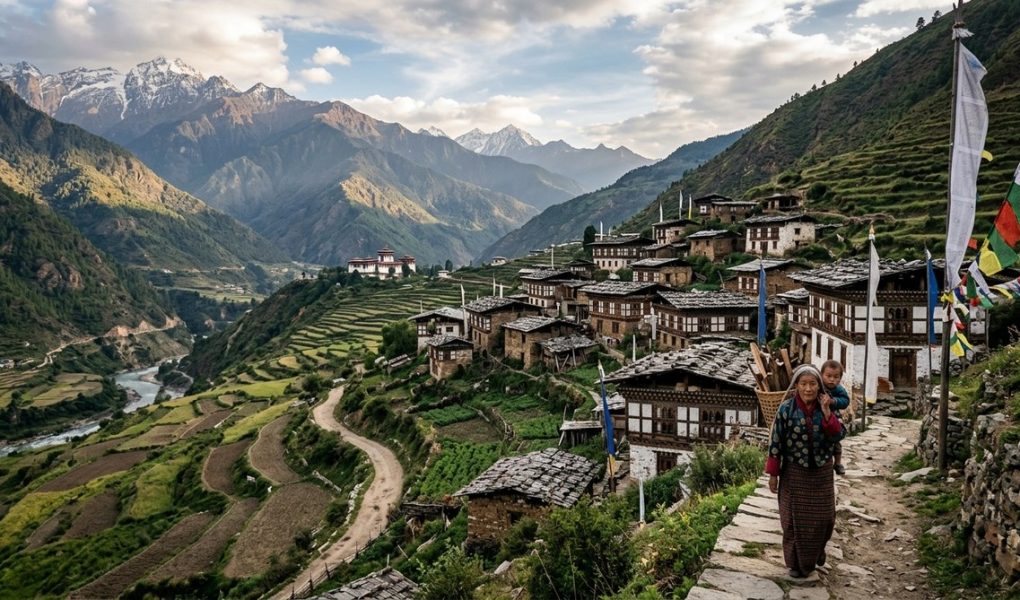
Remote mountain villages offer a glimpse into the past, where traditions remain alive amidst breathtaking scenery. These hidden gems hold stories of ancient crafts, spiritual practices, and community bonds that have stood the test of time. Visiting such places in 2026 means stepping outside modern life and immersing yourself in cultures that cherish their heritage. Whether you’re a researcher, a curious traveler, or someone longing for authentic experiences, these villages invite you to witness history firsthand and understand the roots of human civilization.
What Makes These Villages Special
Remote mountain villages preserving ancient traditions often sit in hard-to-reach areas, surrounded by rugged terrain and natural beauty. Their isolation has helped safeguard unique customs, language, architecture, and crafts. These communities typically rely on traditional agriculture, artisanal work, and spiritual practices that have been passed down through generations.
Many of these villages are not on mainstream tourist maps. Instead, they remain hidden sanctuaries of authenticity. Visiting them in 2026 means respecting local ways of life while gaining insights into how communities adapt yet preserve their identity. Their stories reveal a resilience that resonates deeply with anyone seeking meaningful travel experiences.
Why Visit These Hidden Communities
- Authentic cultural experiences: Participate in traditional festivals, learn ancient crafts, or witness spiritual rituals.
- Stunning landscapes: Surrounded by mountains, forests, and rivers, these villages offer breathtaking scenery.
- Historical insights: Discover how centuries-old customs shape daily life and community identity.
- Support for preservation efforts: Responsible tourism helps sustain these communities and their heritage.
Discovering Remote Mountain Villages Worldwide
Many remote mountain villages around the globe continue to uphold their ancient traditions. Here are some remarkable destinations worth considering for your 2026 journey:
1. The Himalayan villages of Nepal and Tibet
Nestled in the high altitudes, these villages maintain age-old Buddhist practices and architecture. Visiting places like Namche Bazaar or Tashilunpo Monastery offers a window into spiritual life and mountain craftsmanship.
2. The Andean communities of Peru and Bolivia
In the Andes, villages such as Choquequirao or Tiwanaku preserve indigenous traditions, weaving, and agricultural techniques that date back centuries. Festivals often feature traditional music, dance, and colorful costumes.
3. The Carpathian villages of Romania and Ukraine
These villages retain medieval customs, folk music, and craft traditions like wood carving and embroidery. Visiting in 2026 allows you to witness centuries-old rituals still practiced today.
4. The remote villages of the Caucasus region
In Georgia and Armenia, mountain communities celebrate ancient Orthodox Christianity and unique local customs. Their architecture and cuisine reflect a history untouched by modern influences.
5. The remote villages of the Japanese Alps
In Japan’s mountainous regions, communities preserve traditional farming methods, crafts, and festivals that have persisted despite urbanization elsewhere.
How to Approach Visiting These Communities
Traveling to remote mountain villages requires planning and sensitivity. Here are practical steps to make your visit respectful and rewarding:
- Research and connect with local guides or organizations focused on cultural preservation. They can facilitate authentic interactions.
- Learn basic phrases in the local language to show respect and foster genuine connections.
- Respect local customs and practices, avoiding intrusive questions or behavior that could disturb traditions.
- Choose responsible tours or accommodations that support community initiatives and sustainability.
- Prepare physically and mentally for challenging terrains and altitudes, ensuring a safe journey.
Practical process for visiting
- Identify the destination and learn about the community’s customs.
- Contact local guides or cultural organizations to arrange visits.
- Pack appropriate clothing and gear suited to the climate and terrain.
- Engage with locals in a respectful manner, participating in traditional activities when invited.
- Share your experience thoughtfully to raise awareness about preservation efforts.
Techniques for Respectful Cultural Engagement
| Technique | Mistake to Avoid |
|---|---|
| Listening actively and asking permission | Assuming familiarity or taking photos without consent |
| Participating in rituals with reverence | Disrupting ceremonies or stealing moments for social media |
| Supporting local artisans and markets | Buying souvenirs indiscriminately or contributing to over-tourism |
| Learning about history and customs beforehand | Ignorance of cultural sensitivities or taboos |
“The key to meaningful travel in remote villages is approaching with humility and genuine curiosity. Respect for traditions fosters authentic connections and supports their preservation.” — Cultural anthropologist
Why These Villages Matter in 2026
Visiting remote mountain villages that preserve ancient traditions offers more than just a scenic escape. It is a chance to witness resilience, community bonds, and cultural continuity in a rapidly changing world. These communities serve as living museums, showcasing human ingenuity and spirituality through centuries.
By supporting their preservation efforts, travelers help sustain these unique ways of life. Responsible tourism ensures that future generations can continue their traditions without being overwhelmed by modern pressures.
Embracing the Spirit of Heritage Travel
In 2026, making the effort to reach these distant communities can transform your understanding of the world. It encourages a slower, more mindful approach to traveling—one that values depth over speed. Your journey becomes a dialogue with history, a chance to see how communities adapt without losing their essence.
Take the time to plan carefully, respect local customs, and engage sincerely. These villages await visitors willing to learn and support their ongoing story.
Final Thoughts: Keep the Tradition Alive
Traveling to remote mountain villages preserving ancient traditions invites you into a world where time seems to stand still. These experiences enrich your perspective, deepen cultural understanding, and promote the importance of safeguarding heritage. As you prepare for your 2026 adventure, consider how your visit can contribute positively to these communities.
Use your curiosity and respect as guides. With thoughtful planning, you can enjoy authentic encounters that leave a lasting impact—for yourself and for the preservation of these extraordinary ways of life.