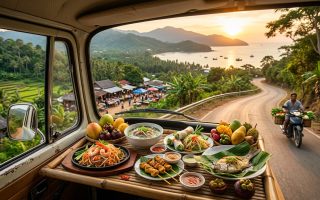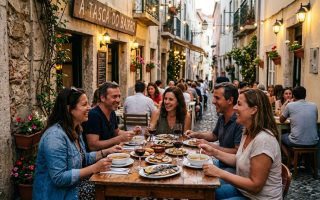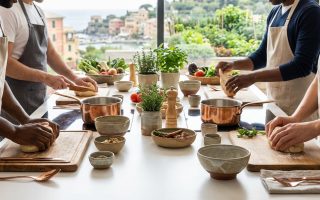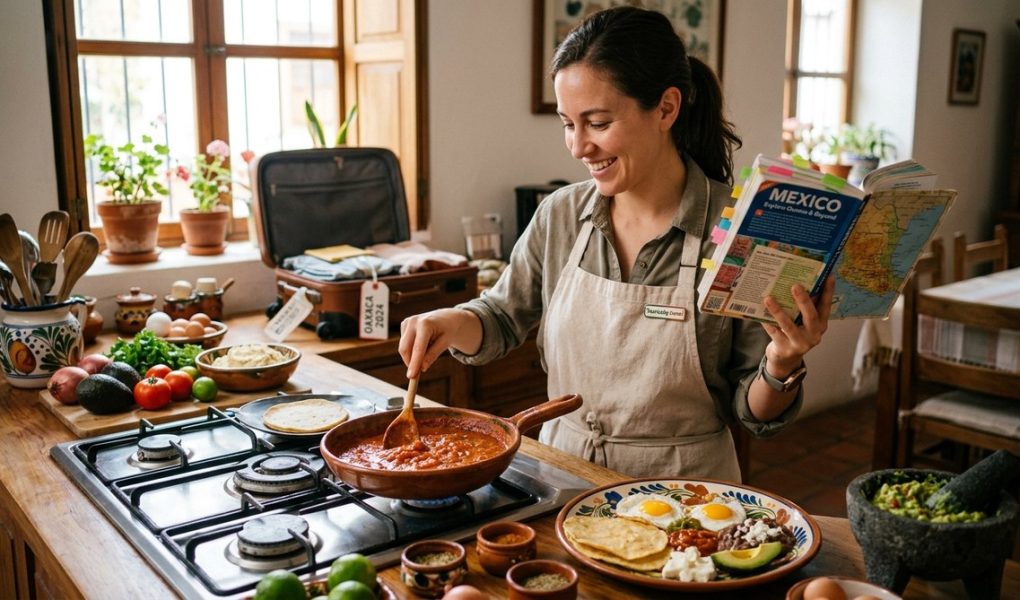
You land in a new city. Your bags are dropped. You step outside, and the air smells like garlic, chili, and something you cannot name. Your stomach growls. But instead of pulling up a list of top-rated restaurants, you walk toward a home kitchen where a grandmother is waiting. She does not speak your language. She hands you a wooden spoon. And for the next four hours, you learn a dish that her family has made for three generations.
That is what a cooking class abroad feels like. It is not about chopping vegetables. It is about understanding a place through its ingredients, its heat levels, and its morning routines. If you have been asking yourself why take cooking classes while traveling, the answer goes far deeper than a recipe.
Cooking classes while traveling are the fastest path to cultural immersion. You skip the tourist menus and learn directly from locals. You gain skills you can use at home, build connections that last, and taste food the way it was meant to be eaten. For food-focused travelers, these classes are not a side activity. They are the trip itself.
What a Cooking Class Actually Gives You
A guided tour shows you the highlights. A museum shows you the past. A cooking class shows you how people live right now. When you step into a kitchen in a foreign country, you are stepping into the heart of daily life. You see which spices are used at breakfast. You learn why certain vegetables are never refrigerated. You discover that the thing you thought was a dessert is actually a savory snack.
Here is what a good cooking class delivers that a restaurant meal cannot:
- Context for every flavor. You taste the difference between fresh turmeric and powdered turmeric. You smell the difference between fish sauce made in the north versus the south.
- A reason to talk to strangers. Cooking together breaks down language barriers faster than any phrasebook. You laugh when you burn the garlic. They laugh when you cannot roll the dumpling.
- A souvenir that is not a thing. You bring home a skill. You can make that dish for friends back home. Every time you cook it, you remember the person who taught you.
How to Choose the Right Class for You
Not all cooking classes are created equal. Some are designed for tourists who want to take photos. Others are genuine home experiences. The difference matters. If you are serious about why take cooking classes while traveling, you need to know what to look for.
- Look for home-based classes first. Restaurant kitchens can feel staged. A home kitchen feels real. Platforms like EatWith and local Facebook food groups often list home cooks who welcome travelers.
- Check the market visit. A great class starts at the market. You should walk through stalls, touch ingredients, and learn how locals pick produce. If the class skips this step, it is missing the best part.
- Read reviews for the word “hands-on.” Some classes let you watch the chef cook while you drink wine. That is a demonstration, not a class. You want to do the cooking yourself.
- Ask about the teacher’s background. Is this a professional chef or a home cook? Both can be great, but a home cook often shares family stories that a chef cannot.
- Look for small groups. A class with four people is intimate. A class with sixteen people is a production line.
The Real Reasons to Book That Class
Let us get specific. Here are the concrete reasons why cooking classes belong on your itinerary.
You Learn the Local Breakfast
Breakfast is the most intimate meal of the day. Tourists sleep through it or grab a pastry on the way to a bus. Locals sit down. They eat slow. They eat things that never appear on dinner menus. If you learn to cook a destination’s breakfast before you arrive, you start every day like a local. That alone changes your entire trip.
In Vietnam, that means learning to make pho at 7 a.m. in a Hanoi home. In Mexico, it means folding masa for tamales before the sun gets hot. In Morocco, it means stirring a pot of warm msemen while drinking mint tea. These are not dishes you find in a hotel buffet.
You Eat Better for the Rest of the Trip
After you take a class, your palate changes. You recognize the ingredients. You know what the dish is supposed to taste like. You can order with confidence instead of pointing at a menu. You also know which dishes are worth seeking out and which ones are tourist traps. The class becomes a reference point for the rest of your meals.
You Make Friends Faster Than Any Pub Crawl
Cooking together creates a natural bond. You are not shouting over music. You are not staring at phones. You are passing salt, washing bowls, and tasting from the same pot. Many travelers report staying in touch with classmates for years. Some have returned to visit their instructor’s family. That does not happen on a bus tour.
Common Mistakes Travelers Make
| Mistake | Why It Hurts | Better Approach |
|---|---|---|
| Booking a class in a language you do not understand without checking | You miss the stories and context | Ask if the instructor speaks English or request a translator |
| Choosing a class based only on price | Cheap classes often use low-quality ingredients | Pay a little more for market visits and home kitchens |
| Taking a class on your last day | You miss the chance to use your new knowledge | Book it early in the trip so you can order better all week |
| Skipping the market portion | You lose half the cultural education | Only book classes that include a guided market tour |
| Treating it like a cooking competition | You stress instead of learn | Relax. Mistakes are part of the experience |
“The best cooking class I ever took was in a tiny apartment in Palermo. The woman teaching me did not have a recipe written down. She measured everything by feel. When I asked how much salt, she said ‘enough.’ That taught me more about Sicilian cooking than any cookbook ever could.” — Maria Torres, food travel writer
Where Cooking Classes Fit Into Your Trip
You might wonder how to schedule this. Here is a simple framework.
- Day 1 or 2: Take the class. Use it as your introduction to local food culture.
- Days 3 through end: Order dishes you learned to make. Compare them. Notice regional differences.
- After the trip: Cook the dish at home. Invite friends. Tell them the story.
If you are planning a longer trip, consider taking two classes. One early for the basics. One later for a specialty dish you discovered along the way. For example, in Thailand, you might take a general Thai cooking class in Bangkok and then a southern Thai class in Krabi after tasting the difference.
Why This Matters More in 2026
Travel is changing. More people want real connection, not just check-ins. The rise of slow travel and intentional tourism means that activities like cooking classes are no longer niche. They are becoming a central reason people choose destinations. If you are the type of traveler who wants to understand a place, not just see it, a cooking class is one of the best investments you can make.
It also supports local economies directly. Your money goes to a family, not a corporation. That matters when you think about the impact of your trip.
Bringing the Experience Full Circle
You do not have to be a good cook to take a class. You just have to be curious. The best classes welcome people who have never held a knife. They adjust. They laugh with you. They teach you that burned food is not a failure, it is a lesson.
If you are still wondering why take cooking classes while traveling, think about the last time you ate something that made you stop and close your eyes. That feeling is what a class can give you, multiplied by the act of making it yourself. You do not just eat the memory. You create it.
So next time you plan a trip, add a cooking class to the itinerary. Book it early. Go with an open mind. And when you get home, make that breakfast for someone you love. That is the real souvenir.