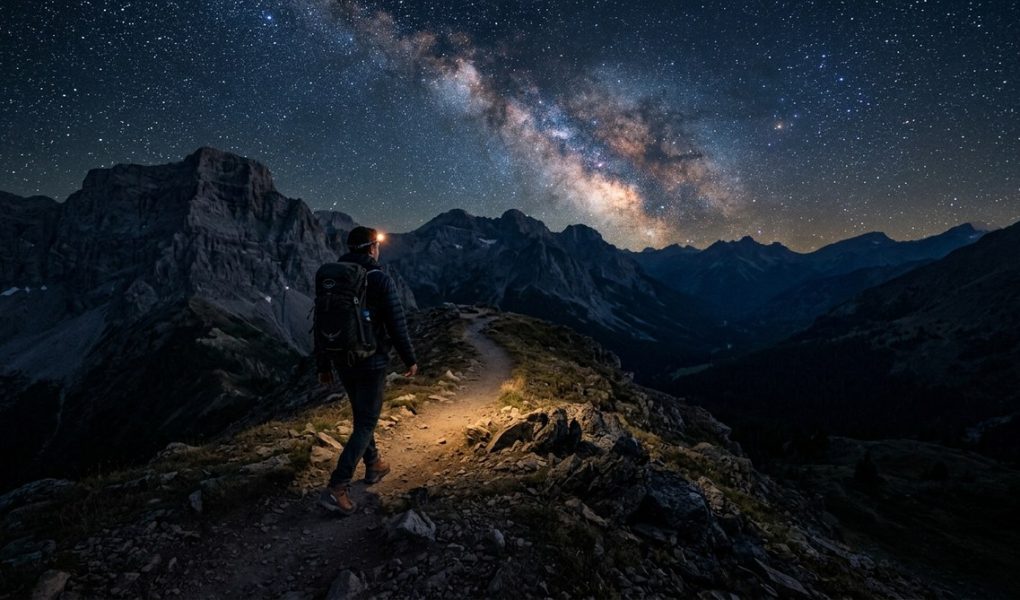
The trailhead was empty. No line at the register. No one jostling for a parking spot. The only sound was gravel crunching under my boots. I had set out at sunset, and by the time full darkness arrived, I was alone on a ridge that during daylight hours would have been packed with selfie sticks and chatter. That night, the sky became a dome of stars, the air smelled of pine and damp soil, and I heard an owl call from across the canyon. I had been hiking for years, but this was the first time I truly felt like I had the wilderness to myself. That is the magic of night hiking.
Night hiking transforms familiar trails into new worlds. You escape crowds, lower your body temperature during summer months, and witness wildlife that hides from daylight. It sharpens your senses, reduces stress, and offers a unique kind of solitude that daytime hiking rarely provides. With proper gear and preparation, any hiker can safely enjoy the profound benefits of hitting the trail after dark.
Why Night Hiking Feels Different
When the sun goes down, the forest changes. Your eyes adjust, and suddenly you notice textures and sounds that daytime noise masks. The crunch of leaves underfoot becomes a personal soundtrack. The way your headlamp catches the eyes of a deer makes your heart race in a good way. You are no longer just moving through a landscape; you are part of it.
Solitude Without the Hike
Popular trails in places like Yosemite or the Grand Canyon are famous for daytime crowds. But after sunset, those same paths become empty. The National Park Service reports that over 90 percent of visitors hike between 9 a.m. and 4 p.m. That leaves the remaining hours for those willing to step outside the typical schedule. Night hiking gives you access to the same stunning viewpoints without the elbows. It turns a crowded postcard into your private retreat.
A Cooler Way to Move
For anyone who lives in the American Southwest or plans a summer trip to places like Utah or Arizona, the heat is a real obstacle. Hiking in 100 degree weather is not just uncomfortable; it can be dangerous. Night hiking drops the temperature by 15 to 20 degrees. You can cover more ground, carry less water, and avoid sunburn. It is the smart way to tackle desert trails from May through September.
A Front Row Seat to the Night Sky
Light pollution has stolen the Milky Way from most of us. But when you hike away from city lights, the stars come out in force. A night hike offers a natural planetarium show. You can spot constellations, watch for shooting stars during a meteor shower, and even see the faint glow of the aurora in northern latitudes. It turns a simple walk into an astronomy lesson.
The Health Benefits You Didn’t Expect
Night hiking is not just good for your Instagram feed; it is good for your body and mind. Research from the University of Colorado suggests that exposure to natural darkness can help reset your circadian rhythm. When you spend a few hours in the dark, your body produces more melatonin, which leads to deeper sleep that night.
Beyond sleep, there is the mental reset. Daytime hiking is often goal oriented: reach the summit, see the view, snap the photo. Night hiking forces you to slow down. You cannot see far ahead, so you become present. The small details matter more. Your breathing, your footing, the rustle of leaves. That mindfulness lowers cortisol levels and reduces anxiety. It is a moving meditation.
How to Plan Your First Night Hike
Getting started does not require a mountaineering course. Follow these five steps to make your first night hike safe and rewarding.
-
Pick a trail you already know. Your first night hike should be on familiar ground. Choose a route you have hiked at least once in daylight. That way you already know the tricky sections, the turnarounds, and the general layout. Save new terrain for after you build confidence.
-
Check the moon phase. A full moon can light the trail well enough to hike without a headlamp. It adds a magical glow. A new moon, on the other hand, means pitch black. Both are fine, but plan accordingly. For beginners, a waxing gibbous moon provides good light without being too bright.
-
Pack the essentials. Your day hike packing list changes at night. Bring a reliable headlamp with fresh batteries, a backup flashlight, extra layers (temperatures drop after dark), and a fully charged phone. Do not forget snacks and water. Hunger hits harder when it is cold.
-
Tell someone your plan. Leave a detailed itinerary with a friend or family member. Share the trail name, your expected return time, and what car you drove. Cell service is often spotty in the backcountry, so a paper map and a whistle are also smart additions.
-
Start at dusk. Begin your hike about 30 minutes before sunset. That gives you a natural transition from light to dark. You get to watch the colors change, then let your eyes slowly adapt as night falls. It is easier than plunging into darkness from a well lit parking lot.
Essential Gear for Night Hiking
A good night hike relies on the right tools. Here is a list of items that will keep you comfortable and safe.
- Headlamp with a red light mode (preserves night vision and does not blind your hiking partner)
- Spare batteries and a secondary light source (small flashlight or glow stick)
- Insulating layer (temperatures can drop 30 degrees after dark, even in summer)
- Trekking poles (they help you feel the trail and avoid tripping on roots)
- First aid kit with blister care (you cannot see your feet as well, so blisters happen)
- Fully charged phone with offline maps downloaded
- Whistle and a small mirror (for signaling if you get lost)
Common Mistakes and How to Avoid Them
Even experienced hikers make errors when they switch to night hiking. The table below shows typical pitfalls and simple fixes.
| Mistake | How to Avoid It |
|---|---|
| Over relying on a single headlamp | Carry a backup light and extra batteries. |
| Underestimating how cold it gets | Dress in layers, including a windproof shell. Add a warm hat and gloves. |
| Moving too fast | Slow your pace. You cannot see obstacles as early. Give yourself time to react. |
| Not checking weather forecasts | Mountain weather changes rapidly. A clear evening can turn into a foggy night. |
| Forgetting to eat | Night hiking burns similar calories. Pack high energy snacks like nuts and dried fruit. |
“The biggest mistake I see new night hikers make is using a too bright headlamp. A 1000 lumen light ruins your night vision and startles animals. Use a dim red light or a low lumen setting. Your eyes will adapt, and you will see more than you think.”
Mara Lopez, guide for Sierra Club night hikes in California
Where to Go for a Night Hiking Adventure
Once you are comfortable with the basics, you can look for trails that are especially rewarding after dark. National parks often offer ranger led night hikes. Places like Death Valley National Park (known for its dark skies) or Big Bend National Park (low light pollution) are ideal. In Europe, the Faroe Islands offer dramatic coastal trails that take on a whole new mood under the midnight sun or the northern lights. For a truly off the beaten path experience, consider a night hike in the remote canyons of the American Southwest. You can find more ideas in our guide to
If you prefer staying closer to civilization, many state parks and local preserves allow night access with a permit. Check with the park office in advance. Some offer astronomy programs that combine a guided hike with telescope viewing.
Your Next Off-the-Beaten-Path Adventure Awaits
Night hiking is not just a way to avoid crowds. It is a way to see the world differently. You trade the heat of the day for the cool darkness. You swap chatter for the sound of your own breath and the distant howl of a coyote. You leave behind the rush and step into a slower, more attentive way of moving through the landscape.
The best part? You do not need a plane ticket or expensive gear. You can start tonight on a local trail you know by heart. Lace up your boots, grab a headlamp, and step into the quiet. The trail is waiting, and there is no one else around.
If this article inspired you, sign up for our newsletter below. We send monthly tips for travelers who crave unique, uncrowded experiences. Your next great adventure is just after dark.