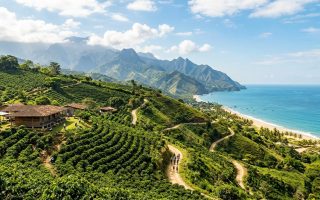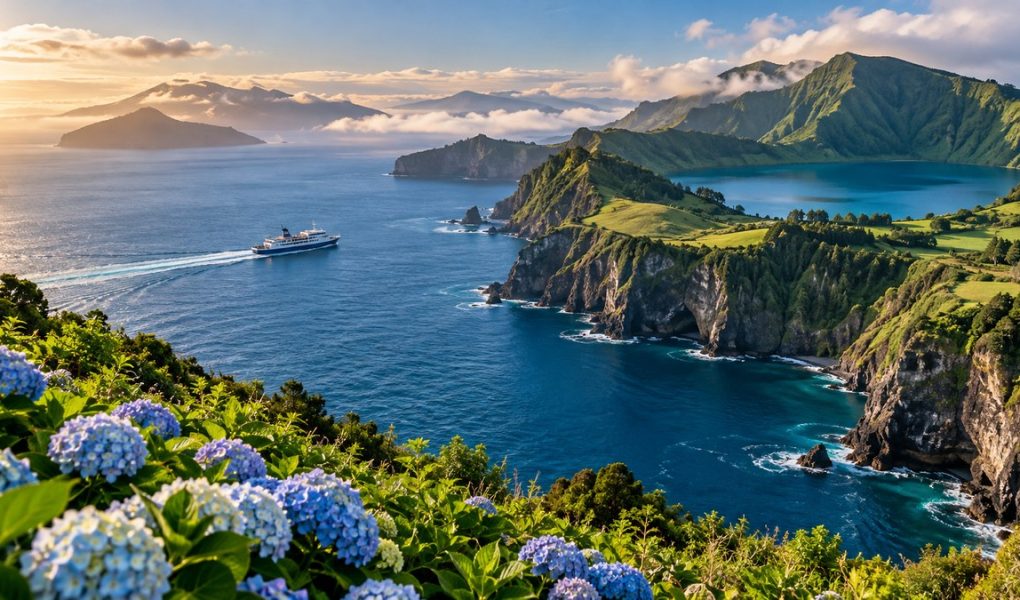
The Azores feel like a secret that Europe has been keeping from the rest of the world. Nine volcanic islands rise from the Atlantic, each with its own personality, its own microclimate, and its own set of dramatic landscapes that look like they were designed by a Hollywood art director. Green calderas, steaming fumaroles, deep blue lakes, and black lava coastlines. It is raw, it is wild, and it is completely possible to see the best of it in a single week.
This Azores 7 day itinerary is built for travelers who want to hop between islands without feeling rushed. You will get a taste of the main islands, plenty of outdoor adventure, and enough local food to make any foodie jealous. Let us get into it.
This 7 day Azores itinerary covers three islands: Sao Miguel, Pico, and Faial. You will hike to crater lakes, tour a pineapple plantation, climb a volcano, taste world class wine, and watch whales. The key is moving between islands by ferry and plane. Book inter island flights early and always pack layers. The weather changes fast here, but that is part of the magic.
Before You Go: Logistics for a Smooth Trip
Getting the logistics right makes or breaks an island hopping trip. Here is what you need to know before you book anything.
Getting to the Azores
The main gateway is Ponta Delgada on Sao Miguel. Direct flights from Boston, New York, and Toronto make it surprisingly accessible for North American travelers. If you are coming from mainland Europe, you will find connections from Lisbon, Porto, and London. SATA Azores Airlines is the main carrier, and they often run seasonal deals.
Moving Between Islands
You have two options for inter island travel: ferry or plane. The ferry network connects most islands, but schedules change by season. In summer, ferries run daily between the central group. In winter, service is less frequent. Flights on SATA Air Acores are the most reliable option for a tight schedule. They are short, affordable, and save you hours of sea travel.
For this itinerary, you will use both. Fly from Sao Miguel to Pico, then take a short ferry from Pico to Faial. This keeps your travel time low and your adventure time high.
When to Visit
The best window is June through September. You get warmer weather, calmer seas, and longer daylight hours. July and August are the busiest months, but the Azores never feels overcrowded. If you prefer fewer tourists and don’t mind cooler temperatures, May and October are excellent alternatives.
Day 1: Arrive in Ponta Delgada and Settle Into Sao Miguel
Your adventure starts in Ponta Delgada, the capital of the Azores. After you land, pick up your rental car and head to your accommodation. The city is compact and walkable, so you can get your bearings with a short stroll along the marina.
Afternoon: Explore the City Center
Spend a few hours wandering the old town. The streets are paved with black and white volcanic stone. You will find churches with intricate tilework, cozy cafes, and shops selling local cheese and wine. Stop at the Mercado da Graca for fresh produce and a taste of local life. Grab a pastel de nata and a coffee to fuel up.
Evening: Dinner at a Local Tasca
For dinner, find a tasca, a small traditional restaurant. Order the cozido das Furnas, a stew that is cooked underground using volcanic steam. It is not just a meal. It is a geothermal experience. Pair it with a glass of local vinho verde.
Day 2: The Wild East of Sao Miguel
Today you will see the most dramatic landscapes on the island. Set out early to beat the crowds and the clouds.
Morning: Lagoa do Fogo
Drive to Lagoa do Fogo, the Lake of Fire. The road climbs through dense forest before opening up to a view that stops you in your tracks. A massive crater lake sits below, surrounded by steep green walls. On a clear day, the water is a deep turquoise. Park at the viewpoint and hike down to the shore if you have time. The trail is steep but worth every step.
Midday: Furnas Valley
Head east to the Furnas Valley. This area is a geothermal wonderland. Steam vents hiss from the ground, and the air smells faintly of sulfur. Visit the Caldeiras das Furnas to see the boiling mud pots and hot springs. Then walk through the Terra Nostra Park, a botanical garden with a massive thermal pool. You can swim in the orange tinted water. It is warm, mineral rich, and deeply relaxing.
Afternoon: Tea Plantation and Waterfall
Before heading back, stop at the Gorreana Tea Plantation. It is the oldest tea plantation in Europe, and it is still operating. Walk through the green terraced fields and taste a cup of locally grown green tea. Then drive to the Salto do Prego waterfall. The short hike through the forest ends at a swimming hole where you can cool off.
Day 3: Sete Cidades and the Western Side
Today is all about the iconic twin lakes of Sete Cidades and the rugged west coast.
Morning: The Vista do Rei Viewpoint
Drive to the Vista do Rei viewpoint. This is the classic postcard shot. Two lakes sit side by side in a massive caldera. One is blue, the other is green. The contrast is striking. On misty days, the scene feels moody and mysterious. On clear days, it is pure magic.
Midday: Hike Down Into the Caldera
Instead of just snapping a photo and leaving, hike down into the caldera. The trail leads to the shore of the green lake. You can walk around the edge, find a quiet spot, and just sit. The silence here is profound. Pack a picnic and eat with the lake as your view.
Afternoon: West Coast Cliffs
After lunch, drive to the western tip of the island. The coastal cliffs at Ponta do Escalvado are dramatic and mostly empty. Waves crash against black rock. Wind whips across the grass. It feels like the edge of the world. On the way back, stop at the Ferraria hot springs. These are natural thermal pools right on the ocean. The water is hot. The waves crash in from the Atlantic. It is a surreal experience.
Day 4: Fly to Pico and Visit a Volcano
Today you leave Sao Miguel behind and head to Pico Island. Pico is dominated by its namesake, Mount Pico, the highest mountain in Portugal.
Morning: Flight to Pico
Take a morning flight from Ponta Delgada to Pico Airport. The flight is short, about 45 minutes. Rent a car at the airport and drive to your accommodation. The landscape on Pico is stark and beautiful. Black lava rock covers the fields. Vineyards grow in tiny stone walled plots called currais.
Midday: Climb Mount Pico
If you are up for a challenge, climb Mount Pico. The hike takes about 5 to 7 hours round trip. You start at the base and ascend through volcanic scree. The trail is steep and exposed. At the top, you stand at 7,713 feet above sea level. On a clear day, you can see the entire central island group. The crater at the summit is deep and dark. It feels like standing on the moon.
If a full climb sounds like too much, hike partway to the Piquinho viewpoint. You still get incredible views without the full commitment.
Evening: Wine Tasting
Pico is famous for its wine. The volcanic soil and salty sea air create a unique grape. Visit a local winery for a tasting. The white wines are crisp and mineral driven. The reds are light and earthy. Buy a bottle to enjoy with dinner.
Day 5: Whale Watching and Ferry to Faial
Pico is one of the best places in the world for whale watching. Spend your morning on the water.
Morning: Whale Watching Tour
Book a tour with a local operator. The waters around Pico are home to sperm whales, blue whales, and several species of dolphin. The guides are knowledgeable and respectful of the animals. You will learn about migration patterns and conservation efforts. Seeing a sperm whale surface and breathe is a moment you will not forget.
Midday: Ferry to Faial
Take the short ferry from Pico to Faial. The crossing takes about 30 minutes. Faial is known for its hydrangeas, its marina, and its volcano. The capital, Horta, is a charming port town with a lively waterfront.
Afternoon: Explore Horta
Walk along the marina and look at the painted murals on the walls. Sailors from around the world leave their mark here. It is a tradition that goes back decades. Visit the Peter Cafe Sport, a legendary bar that has been a meeting point for sailors since the early 20th century. Grab a gin and tonic and watch the boats come and go.
Day 6: Capelinhos Volcano and the Caldera
Today you will visit the newest land in the Azores and hike into an ancient crater.
Morning: Capelinhos Volcano
Drive to the western tip of Faial to see Capelinhos. This volcano erupted in 1957 and 1958, adding new land to the island. The landscape is lunar. Gray ash covers everything. A small visitor center explains the eruption and its impact on the local community. You can climb to the top of the lighthouse for a panoramic view. The contrast between the black ash and the blue ocean is striking.
Midday: Hike the Caldeira
After Capelinhos, drive to the Caldeira do Faial. This is a massive volcanic crater at the center of the island. The rim is about 8 miles around. You can hike the entire rim or just a section. The trail offers views of the crater floor, which is covered in dense vegetation. On clear days, you can see Pico and Sao Jorge in the distance. The hike is moderate and takes about 3 hours for a full loop.
Afternoon: Lunch in a Traditional Restaurant
Stop for lunch in a small village restaurant. Order the limpets, small shellfish grilled with garlic and butter. They are a local specialty. Follow it with fresh fish caught that morning. The flavors are simple and perfect.
Day 7: Last Morning in Horta and Departure
Your final day is a chance to slow down and soak in the last moments of island life.
Morning: Walk the Hydrangea Trails
Faial is famous for its blue hydrangeas. They line the roads and fields in summer. Take a morning walk along the trails near the caldera. The flowers bloom in June and July, creating a sea of blue. Even if you visit outside peak bloom, the green landscapes are beautiful.
Midday: Ferry Back to Pico and Flight Home
Take the ferry back to Pico for your flight to Ponta Delgada. If your flight home is in the evening, you can spend a few more hours exploring Horta or relaxing at a cafe. Buy some local cheese and wine to bring home as souvenirs.
Practical Tips for Your Azores Trip
This table covers the most common questions travelers have about visiting the Azores.
| Category | Details |
|---|---|
| Currency | Euro. Credit cards are widely accepted, but carry cash for small purchases. |
| Language | Portuguese. English is spoken in tourist areas, but learning a few phrases helps. |
| Weather | Unpredictable. Pack layers, a rain jacket, and sturdy shoes. |
| Transportation | Rent a car on each island. Public transport is limited. |
| Safety | Very safe. Petty crime is rare. The biggest risk is slippery trails. |
| Time Zone | UTC-1. Same as the Azores standard time. One hour behind mainland Portugal. |
What to Pack for the Azores
Packing for the Azores means preparing for four seasons in one day. Here is a checklist to keep you comfortable.
- Waterproof jacket with a hood
- Hiking boots with good grip
- Fleece or mid layer for warmth
- Swim trunks or a swimsuit for hot springs
- Sunscreen and sunglasses
- A reusable water bottle
- A small backpack for day hikes
- A camera with a good zoom lens for whale watching
Why This Route Works
This Azores 7 day itinerary balances big adventures with quiet moments. You get the geothermal wonders of Sao Miguel, the volcanic power of Pico, and the maritime charm of Faial. Each island offers something different. You are not just checking boxes. You are experiencing the full range of what the Azores has to offer.
“The Azores taught me that the best travel experiences come from embracing the weather, not fighting it. A rainy morning can turn into a sunny afternoon. A foggy crater can clear in minutes. Stay flexible and you will be rewarded.” — A local guide in Horta
Making the Most of Your Week
A few final thoughts to help you get the most out of your trip.
- Book inter island flights as early as possible. They fill up fast in summer.
- Start your hikes early. Morning light is best for photos, and clouds often roll in by afternoon.
- Eat local. The seafood is fresh, the cheese is excellent, and the wine is unique.
- Talk to locals. Azoreans are friendly and proud of their islands. They will point you to hidden spots.
- Leave room for spontaneity. If the weather changes, adjust your plans. Some of the best moments happen when you go off script.
If you love island hopping adventures, you might also enjoy reading about why the Faroe Islands should be your next Nordic adventure. Or if you are planning a longer trip, check out our guide to 15 underrated European cities that rival Paris and Rome.
Your Azores Adventure Awaits
Seven days in the Azores is enough to fall in love. You will leave with memories of steaming lakes, volcanic peaks, and warm Atlantic sunsets. You will taste wine grown on lava and eat fish caught that morning. You will stand on the edge of a crater and feel small in the best possible way.
Start planning your trip now. Book your flights, pick your islands, and get ready for a week that will change how you think about travel. The Azores are waiting.