Picture this: you are at a bustling open-air market in a city you have never visited before. The scent of grilled spices fills the air. A local vendor gestures for you to try a sample of something you cannot pronounce. You look at your watch. Your meticulously planned schedule says you have a museum reservation in twenty minutes. But your gut says to stay. This is the tension every traveler knows: the pull between seeing everything and actually experiencing something. A flexible travel itinerary is not about having no plan. It is about building a skeleton of must-dos while leaving generous space for the magic that no guidebook can predict. It is the art of treating your plans as a suggestion, not a sentence.
A flexible travel itinerary balances structure with spontaneity. Book non-negotiable items like flights and first-night stays, but leave daily blocks open. Use the 70/30 rule: plan 70 percent of your time, leave 30 percent open. Trust local recommendations, pack light for mobility, and accept that missed reservations often lead to unexpected adventures.
Why Rigid Plans Fail Most Travelers
Rigid itineraries create a false sense of security. When every hour is accounted for, you close yourself off from the very experiences that make travel transformative. You become a passenger on your own trip, checking boxes instead of making memories.
The problem is not planning itself. The problem is over-planning. When you schedule every meal, every transfer, and every photo stop, you leave no room for the unexpected. And the unexpected is where the real travel stories live.
Think about the last time a conversation with a stranger changed your perspective. Now imagine if you had to cut that conversation short because your train was leaving. A flexible travel itinerary protects you from that loss. It gives you permission to linger, to wander, and to say yes when life offers you something better than what you had planned.
The 70/30 Rule: Your New Best Friend
The 70/30 rule is simple. Plan 70 percent of your trip with intention. Leave 30 percent completely open. This is not lazy planning. It is strategic planning.
The 70 percent includes the non-negotiables. Your flights, your first night accommodation, any pre-booked tours that require tickets, and the one or two attractions that are truly on your bucket list. These are the anchors that give your trip structure.
The 30 percent is your buffer. It is the afternoon you spend wandering without a map. It is the extra night you decide to stay in a town because you met someone who told you about a hidden waterfall. It is the flexibility to change your plans when the weather turns or when you discover a better option.
This approach works because it acknowledges a fundamental truth: you cannot see everything. Trying to do so only leaves you exhausted and disconnected. The 70/30 rule gives you the best of both worlds. You get the security of a plan and the freedom of spontaneity.
How to Build Your Flexible Travel Itinerary in Five Steps
Building a flexible travel itinerary is a skill. Like any skill, it takes practice. Here is a step-by-step process to get you started.
-
Book the non-negotiables first. Your international flights, your first night accommodation, and any must-see attractions that require advance reservations. These are your trip’s foundation. Everything else can be decided later.
-
Group your must-sees by neighborhood. Instead of planning day by day, create a list of things you want to see and group them by area. This way, you can decide each morning which neighborhood to explore based on your mood, the weather, and how much energy you have.
-
Plan one anchor activity per day. Choose one thing you absolutely want to do each day. This could be a museum, a hike, or a cooking class. Build your day around this anchor, but leave the rest open.
-
Build in buffer time. Travel always takes longer than you expect. Trains run late. You get lost. You want to linger over a meal. Build extra time into your schedule for these realities.
-
Use the 24-hour rule for spontaneous decisions. When you hear about a great opportunity, do not book it immediately. Give yourself 24 hours to think about it. If you still want to do it the next day, go for it. This prevents impulse decisions you might regret.
The Art of Booking Flexible Accommodations
Accommodation is often the biggest source of stress for travelers. The fear of being stranded without a place to sleep is real. But with the right approach, you can have flexibility and security.
Look for properties with free cancellation policies. Many booking platforms now offer this option, often with no price difference. This gives you the freedom to book ahead while keeping your options open.
Consider staying in one base for several nights instead of moving every day. This reduces the pressure to stick to a schedule. You can take day trips, or you can do nothing at all. The choice is yours.
Hostels and guesthouses are often more flexible than hotels. They are used to travelers with changing plans. They can also be a great source of local advice. Do not be afraid to ask for recommendations.
What to Pack for Maximum Flexibility
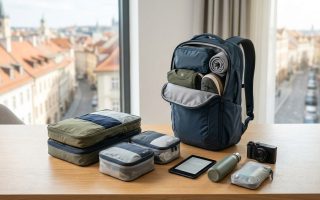
Your packing choices can make or break your ability to be spontaneous. The goal is to be mobile and adaptable. Here is what you need.
- Layers. Weather changes. You want to be prepared without carrying a suitcase full of clothes.
- Comfortable shoes. You will be walking more than you think. Blisters can ruin a day of exploring.
- A daypack. You want a small bag for daily adventures, not a full suitcase.
- A reusable water bottle. Staying hydrated is essential, especially in warm climates.
- Minimal toiletries. You can buy most things at your destination. Do not weigh yourself down.
- A portable charger. Your phone is your map, your camera, and your connection to the world. Keep it charged.
- A sarong or light scarf. This one item has a hundred uses. It can be a blanket, a towel, a curtain, or a fashion accessory.
The key is to pack light enough that you can move easily. If you are checking a bag, you are less likely to take that spontaneous side trip. If you can travel with just a carry-on, the world opens up.
Using Technology to Stay Flexible
Technology can be your best friend when it comes to building a flexible travel itinerary. The right apps can help you find last-minute deals, navigate unfamiliar cities, and discover hidden gems.
- Maps apps that work offline are essential. Download the map of your destination before you arrive. This way, you can navigate without using data.
- Translation apps can help you communicate with locals. Even a simple “hello” and “thank you” can open doors.
- Last-minute booking apps can help you find deals on accommodations and activities. You can often find great prices on unsold inventory.
- Social media can be a great source of inspiration. Follow local accounts to see what is happening in real time.
But remember, technology is a tool, not a crutch. Do not spend your entire trip looking at your phone. Look up. Take in the world around you. That is where the magic happens.
How to Handle Missed Reservations and Plan Changes
No matter how well you plan, things will go wrong. You will miss a train. A restaurant will be closed. A tour will be canceled. This is not a failure. It is an opportunity.
When things do not go according to plan, take a breath. Do not panic. There is always a solution. Ask for help. Locals are often happy to assist. They know the best places that are not in any guidebook.
Remember why you wanted to travel in the first place. It was not to stick to a schedule. It was to experience something new. When you let go of the need to control everything, you open yourself up to the unexpected.
The Slow Travel Alternative
If the idea of a flexible travel itinerary still feels too structured, consider the slow travel approach. Slow travel is about spending more time in fewer places. It is about living like a local, not just visiting like a tourist.
Slow travel is the ultimate form of flexibility. When you are not rushing from place to place, you have time to truly get to know a destination. You can develop a routine. You can become a regular at a local cafe. You can form genuine connections with the people you meet.
This approach is not for everyone. It requires patience and a willingness to go deeper. But for those who embrace it, the rewards are immeasurable. Living like a local is a habit that transforms how you see the world.
Balancing Group Travel and Solo Time
Traveling with others adds another layer of complexity to building a flexible itinerary. You have to balance your own desires with the needs of the group. But it is possible to have flexibility and harmony.
The key is communication. Talk about your travel style before you go. Do you like to wake up early and pack your day with activities? Or do you prefer to take it slow? Are you comfortable splitting up during the day, or do you want to spend all your time together?
Create a shared document where everyone can add ideas. This gives everyone a voice. But also agree that plans can change. The goal is to have a good time, not to follow a rigid schedule.
Making Time for Unexpected Discoveries
The best travel moments are often the ones you never planned. It is the random dinner invitation. It is the street performer who draws you in. It is the local festival you stumble upon by accident. These moments cannot be scheduled. They can only be welcomed.
To increase your chances of having these experiences, you need to be present. Put down your phone. Make eye contact. Smile. Ask questions. Be open to the idea that the best part of your trip might be something you have never heard of.
When you accept a random invitation or follow a suggestion from a local, you are saying yes to the unknown. That is where the true spirit of travel lives. Why learning basic phrases can open doors you never knew existed.
A Simple Framework for Daily Decisions
Each morning, you have a choice. You can follow your plan, or you can follow your curiosity. Here is a simple framework to help you decide.
- Check the weather. This will often dictate your options.
- Ask yourself how you feel. Are you energized or tired? Do you want to be active or relaxed?
- Consider one thing you are curious about. Is there a neighborhood you want to explore? A food you want to try?
- Make a loose plan for the day. Pick one anchor activity. Leave the rest open.
- Be willing to change your mind. If something better comes along, go for it.
The Role of Local Connections
Your most valuable resource for spontaneous adventures is the people around you. Locals know their city better than any guidebook. They know the hidden courtyards, the best street food, and the festivals that are not on any map.
Strike up conversations. Ask for recommendations. Be genuinely interested in their lives. You will be surprised at what you learn. You might even make a friend.
Homestays are a great way to make these connections. Staying in a local homestay can teach you more about a culture than any museum ever could. It is an opportunity to see the world through someone else’s eyes.
Why You Should Stop Trying to See Everything
There is a common misconception that a successful trip means seeing as much as possible. This is a recipe for burnout. You end up spending your entire time rushing from one attraction to the next, barely taking anything in.
A flexible travel itinerary is a rejection of this mindset. It is a declaration that quality matters more than quantity. It is an acknowledgment that you cannot possibly see everything in one trip, and that is perfectly okay.
When you stop trying to see everything, you start actually experiencing something. You give yourself the gift of presence. You allow yourself to be surprised. You come home from your trip feeling refreshed and inspired, not exhausted and relieved.
Your Flexible Travel Itinerary Toolkit
To help you put this all into practice, here is a quick reference guide.
| What to Plan | What to Leave Open |
|---|---|
| International flights | Daily activities |
| First night accommodation | Meals |
| Must-see attractions | Transportation between cities |
| Visas and vaccinations | Evening plans |
| Travel insurance | Rest days |
| One anchor activity per day | Exploration time |
This table is a starting point. Feel free to adjust it based on your own travel style. The important thing is to find a balance that works for you.
The Perks of Traveling Without a Strict Schedule
When you travel without a strict schedule, you open yourself up to a world of possibilities. You are free to follow your whims. You are open to new experiences. You are more likely to connect with the people and places around you.
This does not mean you should have no plan at all. It means you should hold your plans loosely. It means being willing to change course when a better opportunity arises.
The benefits are numerous. You will feel less stressed. You will have more memorable experiences. You will come home with stories to tell, not just photos to share.
A Final Word on Building Your Flexible Travel Itinerary
Building a flexible travel itinerary is not about being disorganized. It is about being intentional. It is about knowing what you want to see and do, but being open to the unexpected. It is about finding the sweet spot between planning and spontaneity.
The next time you plan a trip, remember the 70/30 rule. Book your non-negotiables. Plan one anchor activity per day. Leave the rest open. Trust that the universe will provide. And when it does, say yes.
The world is full of surprises. Your only job is to be open to them. So go ahead. Build that skeleton of a plan. Then let go and see where the journey takes you. You might just discover that the best-laid plans are the ones that leave room for the unexpected.
And if you are looking for more inspiration, check out our guide to uncovering hidden treasures in Southeast Asia or learn how to craft a 14-day slow travel itinerary in Sri Lanka that skips the crowds. The road less traveled is waiting for you.