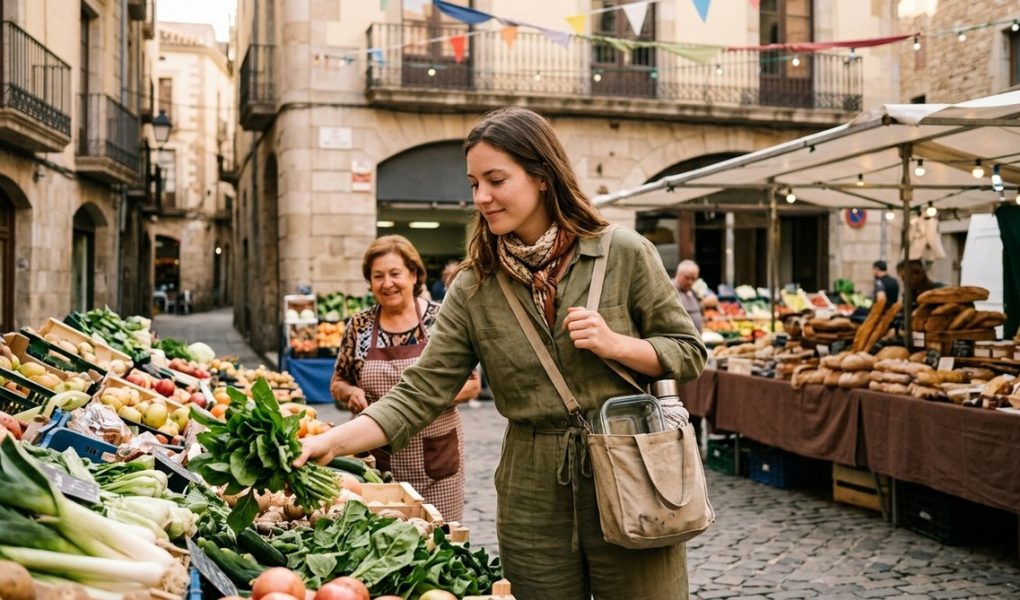
Traveling while keeping sustainability in mind is more than just a trend. It’s a way to respect the destinations you visit and leave a positive footprint. Eating sustainably during your trips helps reduce food waste, support local communities, and lessen environmental harm. Whether you’re wandering through bustling markets or dining at local eateries, small choices can make a big difference. This zero waste travel eating guide offers actionable steps to help you enjoy delicious meals responsibly and with less waste.
Adopting mindful eating habits abroad reduces waste, supports local economies, and minimizes environmental impact. Simple strategies like bringing reusable tools, asking questions, and choosing local, seasonal foods make a meaningful difference for eco-conscious travelers.
Practical steps for a zero waste travel eating experience
1. Plan ahead with reusable essentials
Carrying your own reusable items is one of the most effective ways to cut waste during travel. Pack a set of eco-friendly utensils, a reusable straw, a cloth napkin, and a water bottle. These items come in handy when dining out or grabbing snacks from street vendors. Remember, many places now appreciate travelers who bring their own containers and utensils. It’s a simple, yet powerful way to support zero waste practices abroad.
2. Ask questions and support local, sustainable eateries
Engage with restaurant staff about their waste reduction efforts. Many establishments now prioritize composting, recycling, and minimal packaging. Ask about their sourcing policies and whether they use seasonal, local ingredients. By doing so, you encourage sustainable practices and ensure your meal choices align with your values. Look for places that label eco-friendly practices or participate in zero waste initiatives.
3. Opt for local, seasonal, and minimally packaged foods
Choosing local markets and seasonal produce reduces the environmental footprint of your meals. Fruits and vegetables grown nearby require less transportation and often come with less packaging. When dining at restaurants, request dishes made with fresh, local ingredients. Avoid pre-packaged snacks and beverages, and instead bring your own snacks in reusable containers. This approach supports local farmers and helps you avoid unnecessary waste.
Techniques for eating sustainably abroad
| Technique | Mistake to Avoid |
|---|---|
| Use your own reusable utensils and containers | Relying on single-use plastics or disposables |
| Support farm-to-table restaurants | Choosing chain or fast food spots with excessive packaging |
| Ask about waste management practices | Assuming all establishments are eco-friendly without inquiry |
| Shop at local markets for fresh produce | Buying pre-packaged or imported foods |
| Bring snacks in reusable pouches or jars | Using disposable bags and wrappers |
“Small habits like carrying reusable tools and asking about sustainability can transform your travel footprint. Every meal is an opportunity to support eco-friendly practices,” advises sustainable travel expert Emma Green.
Common pitfalls and how to avoid them
- Relying on single-use plastics: Always carry your own utensils, straws, and water bottles.
- Overlooking local markets: They often provide the freshest ingredients with minimal packaging.
- Ignoring restaurant policies: Don’t hesitate to ask about their waste reduction efforts.
- Buying pre-packaged snacks: Pack your own in reusable containers before heading out.
Tips for mindful dining abroad
- When ordering, specify that you prefer no plastic cutlery or packaging.
- Share meals or leftovers to prevent waste.
- Compost food scraps if possible, especially in eco-friendly accommodations.
- Stay informed about local waste disposal practices to dispose of your waste responsibly.
How to turn waste reduction into a travel habit
Building sustainable eating habits while traveling involves consistent mindfulness. Here are some practices to incorporate into your journeys:
- Research ahead: Find restaurants known for eco-friendly practices or zero waste initiatives.
- Carry your essentials: Reusable utensils, bags, and water bottles are compact and easy to pack.
- Ask questions: Inquire about how restaurants handle food waste and packaging.
- Support local artisans: Buy unpackaged or minimally packaged souvenirs and foods.
- Share your knowledge: Encourage fellow travelers to adopt similar practices.
Techniques and mistakes to watch out for
| Technique | Mistake to Avoid |
|---|---|
| Carrying a zero waste kit | Forgetting to clean or refill reusable items |
| Supporting eco-conscious businesses | Patronizing places that claim sustainability without proof |
| Planning meals around local produce | Relying on imported or processed foods |
| Educating yourself on local waste policies | Assuming waste is always properly managed in every country |
Final thoughts on mindful eating while traveling
Travel offers countless opportunities to indulge in new flavors and culinary traditions. Making conscious choices about what and how you eat can enhance your experience while keeping your environmental impact low. Remember, every small action counts. From packing reusable tools to asking about waste practices, your efforts contribute to a more sustainable world.
By integrating these strategies into your travel routines, you help foster a global community of responsible travelers. It’s about respecting the places you visit and leaving them better than you found them. Pack your essentials, ask questions, and support local, eco-friendly dining spots. Your mindful choices can inspire others and create a ripple effect toward a greener planet.
A sustainable way to dine and travel hand in hand
Wander with intention. Savor every bite while minimizing waste. And know that each eco-friendly decision makes your adventures more meaningful. The world is full of delicious, responsible options waiting to be discovered. Let your passion for travel and sustainability guide your journey, one meal at a time.