The Yucatán Peninsula is more than just a postcard of Chichén Itzá’s towering pyramid. It is a land of emerald cenotes, crumbling Maya ruins wrapped in jungle vines, and colonial towns where the pace of life slows to a gentle hum. For years, travelers have rushed through on a single day trip from Cancún, ticking off the big sites before heading back to the beach. But if you have eight days, you can do something far more rewarding. You can live the Yucatán, not just see it. This 8 days in Yucatán itinerary is designed for the traveler who wants to taste real cochinita pibil from a market stall, swim in a cenote without a hundred other tourists, and wander through haciendas that whisper stories of a bygone era. Let us show you how to spend your week wisely.
This 8-day loop starts and ends in Cancún, but avoids the hotel zone crowds. You will spend your time in Valladolid, Mérida, and a beachside finale in Tulum. The route prioritizes early morning visits to major sites, local food experiences, and quiet afternoons in lesser-known cenotes. Expect colonial architecture, Maya history, and Caribbean relaxation without the bus tour chaos.
Why This Route Works Better Than a Standard Tour
Most travelers make a critical mistake. They base themselves in Cancún or Playa del Carmen and try to visit the entire peninsula as a series of exhausting day trips. A round trip from Cancún to Chichén Itzá and back takes over six hours of driving alone. You spend more time on a bus than you do actually exploring.
This itinerary uses a logical loop. You move your lodging every two or three nights, which cuts driving time dramatically. You wake up already at your destination. That means you can visit Chichén Itzá at 8 a.m. before the tour buses arrive, and you can linger over dinner in Mérida without worrying about a long drive back.
Here is a breakdown of the lodging strategy:
- Valladolid (2 nights): A colonial gem with easy access to Chichén Itzá, Ek Balam, and dozens of cenotes.
- Mérida (3 nights): The cultural capital of the peninsula. Use this as a base for Uxmal, haciendas, and Yucatecan cuisine.
- Tulum (3 nights): A mix of beach time, ruins, and the Sian Ka’an biosphere. Ends the trip with relaxation.
Day 1: Arrival and the Road to Valladolid
Land at Cancún International Airport. Pick up a rental car or arrange a private transfer. The drive to Valladolid takes about two hours on Highway 180. Do not be tempted to stop in Cancún. The real Yucatán starts when you leave the hotel zone behind.
Check into a boutique hotel in Valladolid’s center. Properties like Casa de los Frescos or El Mesón del Marqués put you right on the main square. Drop your bags and walk to the Convent of San Bernardino de Siena. The facade is stunning in the late afternoon light.
For dinner, find a spot serving sopa de lima and salbutas. Restaurante La Casona de Valladolid does both well. The flavors are bright, citrusy, and nothing like the bland food served at all-inclusive resorts.
Expert Tip: Exchange some US dollars for pesos at the airport. Many smaller restaurants and cenote entrances in the Yucatán are cash only. ATMs exist but often charge high fees and run out of money on weekends.
Day 2: Chichén Itzá at Dawn and Cenote Suytun
Set your alarm for 6 a.m. The drive from Valladolid to Chichén Itzá takes about 45 minutes. Arrive right when the gates open at 8 a.m. You will have roughly an hour and a half of relatively quiet exploration before the tour buses from Cancún start arriving around 9:30 a.m. The morning light on El Castillo is spectacular.
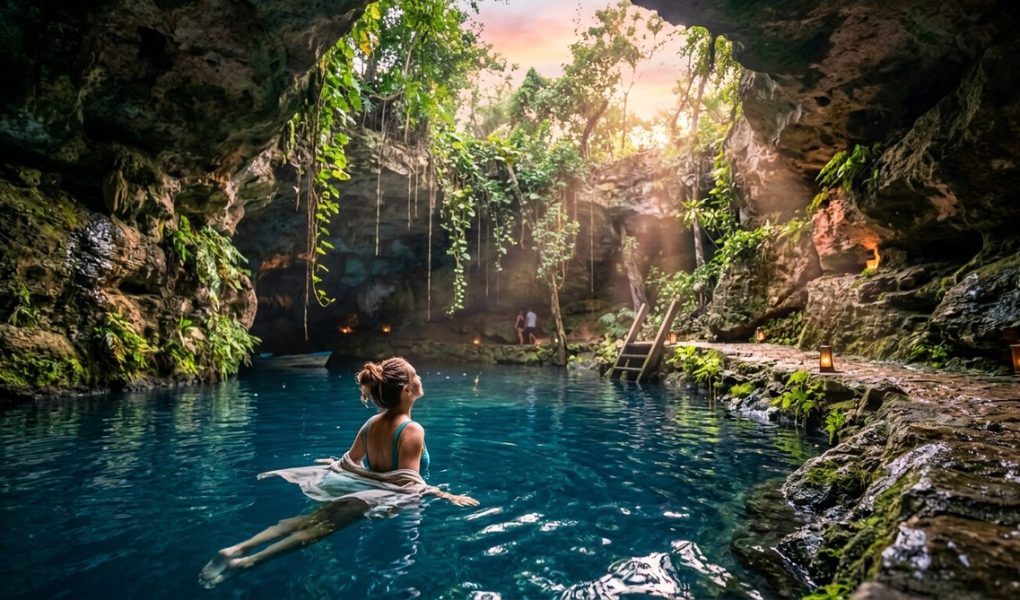
Spend two hours walking the main circuit. Then, instead of fighting the crowds, leave. Drive 20 minutes to Cenote Suytun. This is the one you have seen on Instagram with the single stone platform in the middle of a circular shaft of light. It is popular, but if you arrive before 11 a.m., you will have it mostly to yourself. Swim in the cool, clear water.
Return to Valladolid for a late lunch at Yerbabuena, a farm-to-table spot with a lovely courtyard. Spend the afternoon walking the Calzada de los Frailes, a street lined with colorful colonial houses. Grab a marquesita from a street vendor for dessert. These crispy rolled crepes filled with cajeta or Nutella are a local specialty.
Day 3: Ek Balam and the Road to Mérida
Check out of your Valladolid hotel but store your luggage at the front desk. Drive 20 minutes north to Ek Balam. This archaeological site sees a fraction of the visitors that Chichén Itzá gets. The highlight is the Acropolis, a massive pyramid you can still climb. The view from the top stretches across the jungle canopy. Look for the carved jaguar fangs on the facade of the main temple.
After Ek Balam, stop at Cenote X’Canché. It is less crowded than Suytun and feels more like a natural swimming hole. Wooden ladders lead down to the turquoise water. The entrance fee includes a life vest, which is mandatory.
By early afternoon, start your drive to Mérida. It takes about an hour and a half on Highway 180. Check into a hotel in the Centro Histórico. The Casa de las Artes or Hotel Julamis are excellent mid-range options with character.
Spend the evening on the Paseo de Montejo. This grand boulevard is Mérida’s answer to the Champs-Élysées. On Sunday mornings the street closes to cars for a massive bike and walk event, but even on a weekday evening, the colonial mansions are beautiful in the golden hour light. Eat dinner at Manjar Blanco for modern Yucatecan cuisine.
Day 4: Uxmal and the Puuc Route
This is the day for serious archaeology fans. Drive one hour south from Mérida to Uxmal. This site is less crowded than Chichén Itzá and, in many ways, more impressive. The Pyramid of the Magician is steep and dramatic. The Governor’s Palace has some of the finest stone carving in the Maya world.
Uxmal is part of the Puuc Route, a cluster of smaller sites in the nearby hills. If you have energy after Uxmal, visit Kabah or Labná. Both are small enough to see in 45 minutes each. Labná has a famous arch that appears on the back of many postcards.
| Site | Crowd Level | Climbing Allowed | Time Needed |
|---|---|---|---|
| Chichén Itzá | Very high | No (since 2024) | 3+ hours |
| Ek Balam | Low | Yes | 2 hours |
| Uxmal | Medium | No | 2-3 hours |
| Kabah | Very low | Yes | 45 minutes |
Return to Mérida in the late afternoon. If it is a Tuesday or Saturday, head to the Mérida English Library for a free concert or lecture. Otherwise, book a table at Apoala, a restaurant that specializes in Oaxacan-Maya fusion. The mole is outstanding.
Day 5: Haciendas and Cenotes in the Yucatán Countryside
Take a break from ruins today. The Yucatán is dotted with old haciendas, many of which have been restored as hotels or cultural centers. Drive 30 minutes south to Hacienda Yaxcopooc. This working hacienda has a museum that explains the henequen industry that once made Mérida one of the richest cities in Mexico.
In the afternoon, visit Cenote Hacienda Mucuyché. It is on the grounds of an old estate and is far less crowded than the cenotes closer to the main tourist trail. The water is a deep, clear blue. Bring a snorkel mask. The underwater rock formations are beautiful.
For your final night in Mérida, do not plan a fancy dinner. Instead, go on a bucando food tour. These walking tours take you through the market at night to sample street food like cochinita pibil tacos, panuchos, and fresh churros. It is the best meal you will have all trip.
Day 6: Transfer to Tulum via the Ruta de los Conventos
Check out of Mérida and drive east toward Tulum. The direct route on Highway 180 takes about three hours, but you should take the longer route through the Ruta de los Conventos. This road passes through small towns with colonial-era churches that blend Maya and Spanish architectural styles.
Stop in the town of Maní. The church here is simple but powerful. More importantly, Maní is famous for its pan de cazón, a sandwich made with shark meat, refried beans, and pickled onions. Stop at El Príncipe Tutul Xiu for the real thing.
Arrive in Tulum in the late afternoon. Check into a hotel in the beach zone or in the town of Tulum Pueblo. The beach zone is more expensive but gives you direct access to the sand. The pueblo is more affordable and has better restaurants.
For dinner, head to the pueblo and eat at La Eufemia. The pizzas are wood-fired, the cocktails are strong, and the vibe is relaxed. It is a good transition from colonial Yucatán to the Caribbean coast.
Day 7: Tulum Ruins and Sian Ka’an
Wake up early again. The Tulum ruins sit on a cliff overlooking the Caribbean Sea. They are one of the most photographed spots in Mexico for a reason. Arrive by 8 a.m. to beat the cruise ship crowds. You can walk the entire site in about 90 minutes.
After the ruins, drive 15 minutes south to the Sian Ka’an Biosphere Reserve. This UNESCO site is a massive wetland ecosystem. Book a guided tour with a local operator like Community Tours Sian Ka’an. You will paddle through mangrove channels, see crocodiles and birds, and float in natural pools. The tour supports local conservation efforts.
For the afternoon, find a quiet stretch of beach. Tulum’s public beach access points are limited, but if you walk south from the ruins, you can find spots with fewer people. Have a late lunch at Zama Beach Club. The ceviche is fresh and the view is unbeatable.
Day 8: Last Morning Swim and Departure
You have a flight to catch, but do not waste your last morning. If your flight is after 2 p.m., drive 20 minutes north to Cenote Calavera. It is shaped like a skull (hence the name) and has a small platform for jumping. The water is bracingly cold but incredibly refreshing. It is a perfect final swim.
If you are flying out of Cancún, give yourself at least two and a half hours of driving time from Tulum. The highway is good, but traffic near the airport can be unpredictable. Return your rental car and head to the terminal.
A few packing essentials for this trip:
- A reusable water bottle with a filter (tap water is not safe, but filtered water is available at most hotels)
- A rash guard for swimming in cenotes (the sun is intense, and the water reflects it)
- Insect repellent without DEET (it damages the delicate cenote ecosystem)
- A lightweight scarf or shawl for visiting churches and convents
- Cash in small denominations (50 and 100 peso notes)
Your Yucatán Story Starts Here
Eight days is enough time to fall in love with the Yucatán Peninsula without feeling like you are checking boxes. You will leave with memories of swimming in a cenote at 10 a.m. with only the sound of dripping water, of eating tacos from a market stall in Mérida, and of watching the sunrise hit the pyramids at Ek Balam. This 8 days in Yucatán itinerary is a starting point, not a script. If you find a town you love, stay an extra night. If a cenote calls you back, go. The Yucatán rewards travelers who move at their own pace. So go ahead, book that flight, and get ready for a week that changes how you think about Mexico.