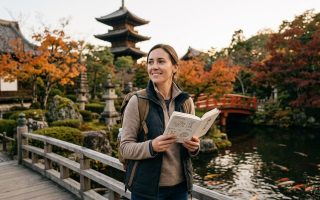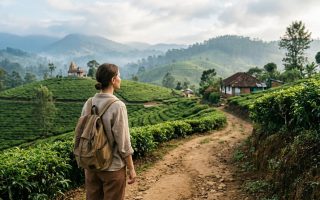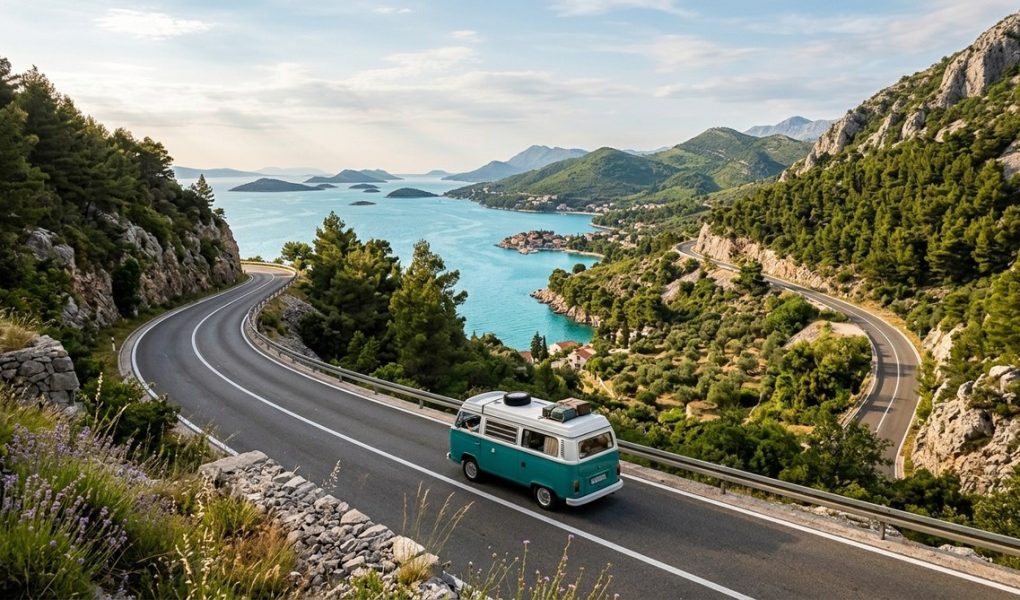
Two countries. One rental car. Ten days that will rewrite your definition of a perfect European road trip. Slovenia and Croatia sit side by side, yet most travelers rush through one to get to the other. That is a mistake. This 10 day Slovenia Croatia road trip itinerary is designed for the adventurous traveler who wants alpine peaks, emerald lakes, medieval hill towns, and a coastline that rivals the Amalfi Coast without the price tag. You will drive winding mountain roads, swim in hidden coves, eat truffle pasta in a stone village, and stand beneath waterfalls that feel like they belong in a fantasy novel. No tour buses. No cruise ship crowds. Just you, the open road, and two of Europe’s most underrated countries.
This 10 day Slovenia Croatia road trip itinerary balances nature, culture, and hidden gems across two countries. You will start in Ljubljana, explore Lake Bled and the Julian Alps, descend into the Postojna Cave system, then cross into Croatia’s Istrian peninsula for truffle hunting and Venetian towns. The route ends at Plitvice Lakes National Park before a final night in Zagreb. Expect 2 to 3 hours of driving per day with plenty of stops for photos, coffee, and spontaneous detours.
Why This Route Works
Most travelers try to cram Dubrovnik, Split, and the Dalmatian coast into a single trip. Those places are beautiful, but they are also crowded and expensive. This route stays north. It focuses on the quieter side of both countries where you can still find a table without a reservation and a parking spot without a fight.
Slovenia is small. You can drive across the entire country in about three hours. That makes it perfect for a road trip. Croatia’s Istrian peninsula is equally compact. Together they form a loop that feels manageable, not exhausting. You get alpine scenery, underground caves, rolling vineyards, and turquoise lakes all within a few hours of each other.
Before You Go: Practical Planning
A little preparation makes the difference between a smooth trip and a stressful one. Here is what you need to sort out before you land.
-
Rent a car in Ljubljana. Pick it up at the airport or downtown. Make sure your rental agreement allows cross-border travel into Croatia. Most European companies do, but double check. Request a small car with good fuel economy. The mountain roads in Slovenia are narrow and winding.
-
Download offline maps. Cell service drops in the Julian Alps and parts of Istria. Google Maps works, but download the area for offline use before you leave. A physical road map of Slovenia is also a smart backup.
-
Pack for layers and rain. The weather in this part of Europe changes fast. You can have sunshine, fog, and a thunderstorm all in one afternoon. Bring a waterproof jacket, sturdy walking shoes, and a warm layer even in summer.
-
Book accommodation ahead for July and August. Lake Bled and Plitvice Lakes fill up months in advance. If you travel in shoulder season (May, June, or September), you have more flexibility, but still book at least two weeks ahead.
-
Get a vignette for Slovenian highways. Your rental car will likely come with one, but confirm. Without it you risk a fine. Croatia uses toll roads, so keep cash or a credit card handy.
Day 1: Arrival in Ljubljana
Land at Ljubljana Joze Pucnik Airport. Pick up your car and drive the 25 minutes into the city center. Drop your bags at your accommodation, then spend the afternoon wandering the old town.
Ljubljana is small, walkable, and charming in a way that feels genuine. The Ljubljanica River cuts through the center with outdoor cafes lining both banks. Cross the Triple Bridge and climb the hill to the castle. The view from the tower shows the entire city with the Alps in the distance.
For dinner, find a restaurant serving štruklji (rolled dumplings) or jota (sauerkraut and bean stew). The food here is hearty and affordable. End the night with a drink at a riverside bar. The city stays lively until late, especially in summer.
Day 2: Ljubljana to Lake Bled
Drive time: 45 minutes
Morning is for the Central Market. Grab a pastry and coffee, then browse the stalls of local honey, cheese, and crafts. The market is open every day except Monday.
By 10:00 AM, hit the road for Lake Bled. The drive is short and scenic. Park near the lake and walk the 3.7 mile path around the water. Stop at the eastern shore for the classic photo of the church on the island with the castle perched on the cliff above.
Rent a rowboat and paddle to the island. Ring the bell at the church for good luck. Then hike up to Bled Castle for a glass of the local cream cake (kremšnita) with a view. The castle museum is small but worth a quick walk through.
Stay overnight in Bled or the nearby town of Bohinj. If you want fewer tourists, base yourself at Lake Bohinj instead. It is larger, wilder, and far less crowded.
Day 3: The Julian Alps and Vršič Pass
Drive time: 2 to 3 hours with stops
Today is the most scenic drive of the entire trip. Leave Bled and head north toward the Vršič Pass. This mountain road has 50 switchbacks and climbs to over 5,000 feet. Stop at the Russian Chapel, a small wooden memorial built by prisoners of war during World War I.
At the top of the pass, pull over for the view. On a clear day you can see the jagged peaks of the Julian Alps stretching in every direction. The road descends into the Soča Valley, where the river is the color of green glass.
Stop in the town of Bovec for lunch. Then drive south toward Kobarid, home to a world-class museum about the Isonzo Front. Even if you are not a history buff, the museum tells a powerful story about the mountains and the soldiers who fought here.
End the day in the town of Tolmin or drive back toward Bled. Either option works. The valley is full of farm stays where you can sleep for a fraction of the cost of a hotel.
Day 4: Postojna Cave and Predjama Castle
Drive time: 1 hour from Bled
Postojna Cave is one of the largest cave systems in Europe. You ride a small train deep underground, then walk through chambers filled with stalactites and stalagmites. The cave is popular, so book your ticket online in advance. Arrive early to beat the tour groups.
After the cave, drive 15 minutes to Predjama Castle. This fortress is built into a vertical cliff face. It looks like something from a Game of Thrones set. You can tour the interior and see how the knights lived inside the rock. The castle has a restaurant that serves decent food, but the real draw is the view from the terrace.
From Predjama, cross the border into Croatia. The drive to the Istrian peninsula takes about an hour. Base yourself in the town of Motovun or Grožnjan. Both are hilltop villages with cobblestone streets and stunning views over the Mirna River valley.
Day 5: Istrian Hill Towns and Truffle Hunting
Drive time: minimal, mostly local roads
Istria is often called the Tuscany of Croatia. The comparison fits. Rolling hills, vineyards, olive groves, and medieval towns dot the landscape. But Istria has something Tuscany does not: truffles. The white truffles here rival anything from Italy.
Book a truffle hunting experience with a local guide and their dog. You will walk through the forest, watch the dog find truffles, and then taste them on fresh pasta or scrambled eggs. It is one of the most memorable meals you will have.
Spend the afternoon visiting hill towns. Motovun has a 13th century bell tower and a view that stretches to the sea. Grožnjan is an artists’ colony with galleries and workshops. Oprtalj is smaller and quieter, with almost no tourists.
For dinner, find a konoba (a traditional tavern) and order fuži with truffles. Pair it with a local Malvazija wine. You will sleep well.
Day 6: Rovinj and the Istrian Coast
Drive time: 45 minutes from Motovun
Rovinj is the most beautiful town on the Istrian coast. The old town sits on a peninsula, with narrow alleyways that lead up to the Church of St. Euphemia. Climb the bell tower for a panoramic view of the harbor and the surrounding islands.
Spend the morning wandering. Do not use a map. Get lost in the streets. You will find art studios, small bakeries, and hidden courtyards. For lunch, eat at a seafood restaurant on the waterfront. The grilled fish is excellent.
In the afternoon, drive to the nearby beach at Golden Cape Park. It is a forested peninsula with several small coves. The water is clear and calm. Swim, sunbathe, and relax.
Return to your hill town base for another night. If you want a change of scenery, stay in Rovinj itself. The old town has several boutique hotels with harbor views.
Day 7: Pula and the Brijuni Islands
Drive time: 30 minutes from Rovinj
Pula is home to one of the best preserved Roman amphitheaters in the world. It is smaller than the Colosseum in Rome, but you can walk through the entire structure and even go down into the underground chambers where gladiators once waited. The arena still hosts concerts and film festivals in summer.
After the amphitheater, walk through the old town. The Forum, the Arch of the Sergii, and the Temple of Augustus are all within a few blocks. Pula feels like a working city, not a tourist museum. That is part of its appeal.
In the afternoon, take a ferry to the Brijuni Islands. This national park is a group of 14 islands with Roman ruins, a safari park, and Tito’s old summer residence. The ferry ride is short. Rent a bike or take the tourist train to see the highlights.
Return to the mainland for the night. Drive toward the border with Slovenia. You will cross back into Slovenia tomorrow.
Day 8: Plitvice Lakes National Park
Drive time: 3 hours from Istria
Plitvice Lakes is the crown jewel of Croatian nature. Sixteen terraced lakes connected by waterfalls and wooden boardwalks. The water changes color from emerald to turquoise to deep blue depending on the minerals and the light.
Arrive at 8:00 AM. The park opens early, and the first few hours are the quietest. Take the electric boat across Lake Kozjak, then hike the lower lakes trail. You will see the biggest waterfalls, including Veliki Slap, which drops 230 feet.
Book your ticket online before you go. The park limits daily visitors, and tickets sell out in peak season. There are two entrances. Entrance 1 is closer to the lower lakes. Entrance 2 is better for the upper lakes. Both work.
Stay overnight at a guesthouse near the park. The town of Grabovac has several family-run options. Your hosts will likely offer a home cooked meal. Accept it.
Day 9: Plitvice to Zagreb
Drive time: 2 hours
Leave Plitvice after breakfast. The drive to Zagreb takes you through the Croatian countryside. Stop at the town of Slunj for coffee and a walk through the old mill complex. The water wheels are still working.
Arrive in Zagreb by early afternoon. Check into your accommodation, then head to the Upper Town (Gornji Grad). Walk through the cobblestone streets, past the St. Mark’s Church with its colorful tiled roof, and down to the Lotrščak Tower. At noon each day, a cannon fires from the tower. It has been doing so since the 19th century.
Spend the evening in Tkalčićeva Street. It is the heart of Zagreb’s cafe culture. Find a table, order a coffee, and watch the city walk by. Dinner should be at a restaurant serving purica s mlincima (turkey with baked dough) or štrukli, which Zagreb does better than anywhere else.
Day 10: Zagreb and Departure
Use your final morning to visit the Museum of Broken Relationships. It is a small museum filled with personal objects donated by people after their relationships ended. Each item has a story. It is sad, funny, and deeply human.
If you have time, walk through the Dolac Market. Farmers sell fresh produce, flowers, and honey. Buy some local paprika or lavender to take home.
Head to the airport. Your car rental drop off is at the terminal. Allow 30 minutes for the drive from the city center.
What to Pack for This Trip
A good packing list keeps you comfortable without weighing you down. Here is what you actually need.
- Waterproof jacket. Not an umbrella. A jacket.
- Hiking shoes or sturdy sneakers. You will walk on uneven surfaces.
- Swimsuit. Lakes, coves, and hotel pools.
- A nice outfit for dinner. Europeans dress up.
- Reusable water bottle. Tap water is safe in both countries.
- Power adapter. Slovenia and Croatia use the same plug as the rest of Europe (Type C and F).
- Small daypack. For hikes and market visits.
| Item | Why You Need It | Where You Will Use It |
|---|---|---|
| Waterproof jacket | Sudden rain and mist | Julian Alps, Plitvice, Istrian hills |
| Sturdy walking shoes | Uneven trails and cobblestones | Every single day |
| Swimsuit | Swimming in lakes and sea | Lake Bled, Rovinj, Brijuni Islands |
| Power adapter | Charging devices | All accommodation |
| Daypack | Carrying water, snacks, camera | Daily excursions |
Common Mistakes to Avoid
Even experienced travelers make errors on a trip like this. Here are the ones to skip.
- Skipping the vignette. The fine for driving on Slovenian highways without a vignette is steep. Confirm your rental has one.
- Overpacking. You are driving, but you still have to carry bags into hotels. Pack for a week and do laundry.
- Rushing Plitvice. The park deserves a full day. Half day visits feel rushed.
- Eating near major tourist sites. Walk one block away from the main square in any town and the prices drop and the quality improves.
- Forgetting cash. Small farms, market stalls, and some konobas do not take cards.
Expert advice: “Drive the Vršič Pass from south to north. You get the best views of the mountains as you climb, and the switchbacks are easier to handle going uphill. Stop at every turnout. The photo opportunities only get better.”
Why This Trip Changes How You See Europe
A 10 day Slovenia Croatia road trip itinerary like this one shows you a side of Europe that still feels undiscovered. You will not wait in long lines. You will not fight for a spot on the beach. You will eat meals made from ingredients grown within walking distance of the restaurant. You will meet people who are genuinely happy to see visitors, not exhausted by them.
Slovenia and Croatia together offer a complete travel experience in a compact area. Mountains, lakes, caves, coast, and cities all within a few hours of each other. It is the kind of trip that makes you wonder why you spent so long going to the same places everyone else visits.
Your Next Step
Start by booking your flights into Ljubljana and out of Zagreb. Then reserve your rental car. Lock in accommodation for Lake Bled, Istria, and Plitvice as soon as possible. Download offline maps and buy a good pair of walking shoes. The rest you can figure out on the road. That is the beauty of a trip like this. It leaves room for spontaneity. If you see a sign for a castle or a waterfall or a vineyard, take the turn. Those detours are where the best memories live.
For more ideas on traveling through Europe’s quieter corners, read about 15 underrated European cities that rival Paris and Rome or find out why Slovenia might be Europe’s most underrated travel destination.